

Herbal Treatments to Cure Piles without Surgery
Piles, also known as hemorrhoids, are a common condition that affects a large number of people worldwide. It occurs when the veins in the rectum and anus become swollen and inflamed, causing pain, discomfort, and bleeding during bowel movements. If left untreated, piles can become severe, leading to surgery or other medical interventions.
Fortunately, there are natural remedies available that can effectively treat piles without surgery. This article will explore various herbal treatments and lifestyle changes that you can make to alleviate symptoms and improve your overall health. By implementing these treatment options into your daily routine, you can find relief from piles and avoid invasive medical procedures.
Understanding Piles
Piles, also known as hemorrhoids, are swollen veins in the rectal area. They can cause discomfort, bleeding, and pain during bowel movements. Piles can be classified into two types: internal and external. Internal piles are located inside the rectum, while external piles are situated outside the anus.
The most common causes of piles include constipation, diarrhea, straining during bowel movements, sitting for long periods of time on the toilet seat or in general, lifting heavy weights, pregnancy, and childbirth. Obesity is also a risk factor for developing piles.
The symptoms of piles can vary from person to person but typically include itching or irritation around the anus area as well as bright red blood when wiping after a bowel movement. In severe cases of piles that require surgery to fix them; you may feel pain or discomfort in your anal area when sitting down or moving around.
If you notice any symptoms of piles it is important to see a doctor right away. Ignoring them could lead to complications such as infection or anemia from blood loss which could be life-threatening if left untreated.
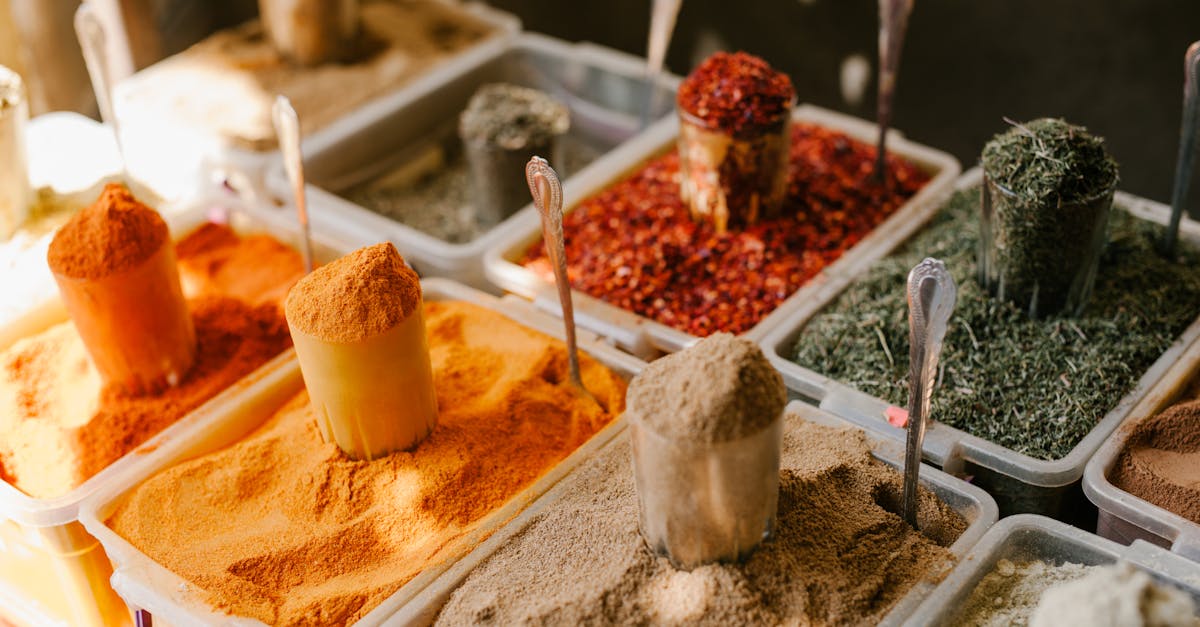
How Herbal Treatments Can Cure Piles
Piles are a common ailment that affects millions of people worldwide. While surgery is a common treatment option, it can be painful and expensive. However, herbal treatments can provide an effective and natural alternative for treating piles without surgery. Here's how herbal treatments can help cure piles naturally:
Reducing Inflammation
One of the key reasons why herbal treatments are effective in curing piles is that they can help reduce inflammation. When the veins around the anus become inflamed due to excess pressure, it leads to pain, itching, and discomfort. Herbal remedies like Aloe Vera, Witch Hazel, and Chamomile possess anti-inflammatory properties that help reduce swelling around the anus area.
Improving Blood Circulation
Herbal treatments are also known to improve blood circulation in the body. When you have piles, blood doesn't flow easily through the veins in your rectum or anus area which can exacerbate inflammation and pain. Herbs like Horse Chestnut contain compounds that strengthen vein walls and improve blood flow.
Pain Relief
Piles can cause severe pain that makes it difficult for individuals to go about their daily life normally. Herbal remedies such as Epsom salt bath with essential oils or applying coconut oil or tea tree oil topically on infected areas offer natural pain relief without any side effects.
Boosting Immunity
Finally, herbal treatments work by boosting your immunity system's response to fight off infections around the anus area caused by piles' complications. Herbs such as Garlic contain antimicrobial properties that kill harmful bacteria responsible for causing infection; Cinnamon has antiseptic qualities while Turmeric has antifungal properties - all of which significantly help boost overall immunity. In conclusion, opting for herbal treatment options offers a safer and more natural way to cure piles without surgery. To achieve optimal results, it is essential to follow a healthy lifestyle while taking herbal remedies for piles, such as eating fiber-rich foods and drinking plenty of water. By taking steps to heal piles naturally, individuals can reduce the risk of complications and improve their overall quality of life.

Top Herbal Treatments for Piles
Piles, also known as hemorrhoids, are swollen veins in the anal region that can cause discomfort and pain. There are many herbal treatments that have been used to cure piles for centuries. These treatments offer a natural and safe way to alleviate symptoms and improve overall health.
Witch Hazel
Witch hazel is a natural astringent that has been used for centuries to treat piles. It contains tannins which help reduce swelling and inflammation in the anal region. Witch hazel can be applied topically using pads or compresses soaked in the solution or through creams and lotions.
This herbal treatment is gentle on the skin and can provide quick relief from itching, burning, and pain associated with piles. However, it's important to first consult with your healthcare provider before using witch hazel as some individuals may be sensitive to this herb.
Aloe Vera
Aloe vera is another popular herbal treatment for piles due to its anti-inflammatory properties. It helps reduce swelling, soothes irritation, and relieves pain associated with hemorrhoids. The gel inside an Aloe vera leaf can be applied directly onto the affected area to achieve optimal results.
Moreover, Aloe vera has many other health benefits such as aiding digestion, promoting skin health, and boosting immunity. This makes it an excellent choice for individuals looking for natural remedies that can improve their overall well-being.
Horse Chestnut
Horse chestnut contains saponins which are known to strengthen blood vessels by reducing inflammation. It also improves blood circulation which helps prevent future flare-ups of hemorrhoids.
This herb can be taken internally in capsule form or applied topically using creams made from horse chestnut extracts.
However, it's essential to note that horse chestnut may interact with some medications. Thus, it's crucial to consult with your doctor before using this herb as a treatment for piles.

Butcher's Broom
Butcher's broom is a traditional herbal treatment that has been used since ancient times to cure hemorrhoids. It contains potent compounds such as ruscogenin which help reduce inflammation and swelling whilst strengthening the veins in the anal region.
This herb can be taken as capsules or applied topically through creams made from butcher's broom extracts. Butcher's broom is also known for its ability to improve circulation, making it an excellent choice for individuals with blood circulation issues resulting from hemorrhoids.
The above-listed herbal treatments are highly effective in curing piles without surgery. They are all-natural remedies that have been used for centuries and offer a safe alternative to other treatments such as surgery or prescription medication.
Make Dietary Changes
The food you eat plays a significant role in maintaining digestive health. Certain dietary changes can help alleviate symptoms of piles and promote healing.
Increase Fiber Intake
A high-fiber diet helps regulate bowel movements and reduces strain during defecation, preventing the development of hemorrhoids. Whole grains, fruits, vegetables, and legumes are rich sources of fiber. Aim for at least 25-30 grams of fiber per day to keep your digestive system running smoothly.
Fiber supplements like psyllium husk also provide an easy way to increase fiber intake. Mix a tablespoon of it with water or juice and drink it once or twice daily.
Stay Hydrated
Dehydration leads to hard stools that are difficult to pass, increasing the risk of hemorrhoids. Drinking plenty of fluids (water, herbal tea) keeps stools soft and facilitates their elimination from your body.
Aim for at least 8-10 glasses (1 liter) of water daily. Avoid caffeine and alcohol as they can contribute to dehydration.
Avoid Trigger Foods
Certain foods can exacerbate symptoms by irritating the rectal area or causing constipation. This includes spicy foods, processed snacks, fried foods, dairy products, red meat, caffeine, and alcohol.
Avoiding these trigger foods may help reduce inflammation and discomfort associated with piles.
Eat Probiotic-Rich Foods
Eating probiotic-rich foods such as yogurt and kefir helps promote good gut bacteria growth. This has been shown to improve bowel function by decreasing inflammation in the colon and promoting regularity.
Incorporate these foods into your diet to support digestion naturally. Alternatively, probiotic supplements can provide more concentrated doses of beneficial bacteria.

Home Remedies for Piles
Piles can be an uncomfortable and painful condition to deal with. However, there are some home remedies that can help ease the symptoms and promote healing in a natural way.
Sitz Bath
A sitz bath is one of the best home remedies for piles. It involves sitting in a bathtub with warm water covering the hips and buttocks area. This helps to reduce swelling and inflammation, as well as easing pain and discomfort.
You can add Epsom salt or apple cider vinegar to the water for added relief. Try taking a sitz bath three times a day for about 15-20 minutes each time until symptoms improve.
Aloe Vera
Aloe vera has anti-inflammatory properties that make it effective in reducing swelling and irritation associated with piles. It also has healing properties that can help repair damaged tissues.
You can apply fresh aloe vera gel directly to external hemorrhoids or drink aloe vera juice to help soothe internal hemorrhoids. Drinking two tablespoons of aloe vera juice daily can help ease constipation, which is often associated with piles.
Witch Hazel
Witch hazel is another effective at-home remedy for piles due to its anti-inflammatory properties that help reduce swelling and itching.
You can apply witch hazel extract topically to the affected area using cotton balls or add it to your sitz bath water for added relief. Witch hazel wipes are also available on the market which may provide relief when used as per instructions.
Diet Modifications
Dietary changes may not be an instant cure for piles but they can certainly make significant improvements over time by preventing constipation which triggers pile formation in many cases.
Increase your fiber intake by eating more fruits, vegetables, and whole grains. Drink plenty of water to keep yourself hydrated and avoid consuming oily or fried food. Avoiding spicy food, caffeine, and alcohol intake can also help prevent inflammation and irritation in the digestive system that can lead to piles.
Try incorporating these home remedies into your daily routine. They can help alleviate discomfort caused by piles and promote healing naturally over time.

Ayurvedic Medicines for Piles
Ayurveda is an ancient Indian system of medicine that has been used for thousands of years to treat various ailments, including piles. Ayurvedic medicines are made from natural herbs and remedies that work to eliminate the root cause of piles and promote healing. The following are some Ayurvedic medicines that can be used to treat piles.
Triphala Churna:
Triphala churna is an Ayurvedic medicine that is made from three fruits - haritaki, amla, and bibhitaki. It is known for its cleansing properties and can help regulate bowel movements, making it an effective treatment for piles. Triphala churna can be taken orally by mixing it with water or milk.
Guggulu:
Guggulu is another Ayurvedic medicine that has been used for centuries to treat various diseases, including piles. It works by reducing inflammation and swelling in the affected area and promoting healing. Guggulu can be taken orally in the form of tablets or capsules or applied topically as an ointment.
Ashwagandha:
Ashwagandha is an Ayurvedic herb that is known for its ability to reduce stress and anxiety levels in the body. It also helps improve digestion and strengthens the immune system, making it an effective treatment for piles. Ashwagandha can be taken orally in the form of capsules or tablets.
Arshonyt Forte:
Arshonyt Forte is an Ayurvedic medicine that contains a combination of herbs such as neem, kutki, and daruharidra. It works to reduce inflammation, bleeding, itching, pain, and discomfort caused by piles. Arshonyt Forte comes in tablet form and can be taken orally. Ayurvedic medicines have been used for centuries to treat various diseases, and piles are no exception. These medicines work by addressing the root cause of piles, promoting healing, and reducing inflammation and pain. If you're looking for a natural way to treat your piles, then Ayurvedic medicine may be worth considering. However, it's important to consult with a qualified Ayurvedic practitioner before taking any of these medicines to ensure that they are safe for you to use.
Yoga and Exercises for Piles
Piles, also known as hemorrhoids, can be very painful and uncomfortable. One way to ease the pain and discomfort associated with piles is through yoga and exercises. Yoga helps in improving blood circulation in the anal region, which reduces inflammation and pain while also easing bowel movements. Some of the recommended yoga poses for piles include:
Tadasana (Mountain Pose)
Tadasana improves blood circulation in the pelvic area while also reducing tension in the abdomen. This pose helps regulate bowel movements, reducing the chances of constipation that can lead to piles.
Malasana (Garland Pose)
This pose helps to relieve tension from the pelvic muscles, making it easier for you to pass stools without straining your muscles too much.
Balasana (Child's Pose)
Balasana is an excellent way of relaxing your body while also improving digestion. This pose improves blood flow throughout your body, particularly in your pelvic region.
Vajrasana (Thunderbolt Pose)
Vajrasana is an excellent option for people with piles as it increases blood flow to your pelvic region, making it easier for you to pass stools without any discomfort or pain.
Apart from yoga poses, there are some exercises that can help alleviate symptoms associated with piles:
Kegel Exercises
Kegel exercises to strengthen your pelvic floor muscles which are responsible for supporting organs such as the bladder and rectum. By strengthening these muscles you can prevent or reduce symptoms related to hemorrhoids like pain and inflammation.
Walking
A brisk walk every day can help improve digestion while also increasing blood flow throughout your body including the pelvic region. This can help reduce inflammation and pain associated with piles.
Yoga and exercises make an excellent way of reducing the symptoms related to piles. By practicing yoga poses or doing exercises regularly, you can improve blood flow, increase pelvic muscle strength and regulate bowel movements.
Lifestyle Changes to Cure Piles
While herbal treatments and medications can certainly help alleviate the symptoms of piles, lifestyle changes are essential for a complete and lasting cure. Certain habits and practices can exacerbate the condition, while others can promote healing and prevent future occurrences of piles.
1. Eating a fiber-rich diet
A major cause of piles is chronic constipation, which puts undue pressure on the veins around the anus and rectum. By eating foods that are high in fiber, you can promote healthy bowel movements that don't strain these veins. Good sources of fiber include fruits, vegetables, whole grains, legumes, nuts, and seeds.
You should aim to consume at least 25 grams of fiber per day for women and 38 grams per day for men. In addition to preventing piles, a high-fiber diet can also help lower your risk for other conditions like heart disease, diabetes, and cancer.
2. Maintaining good hygiene
Poor hygiene in the anal area can lead to infections that worsen your pile symptoms. To avoid this risk factor altogether:
- Cleanse the area gently after bowel movements using soft toilet paper or wet wipes.
- Avoid using soap or scented products that could irritate your skin.
- Dry off completely with a clean towel or air dryer after cleansing.
- Change your underwear daily (or more frequently if needed) to prevent bacterial buildup.
3. Avoiding straining during bowel movements
You want to decrease any pressure in the anal region as much as possible if you're trying to heal from piles. The act of straining during bowel movements is one common way people put pressure on their veins unintentionally. To prevent straining, follow these tips:
- Take your time on the toilet and let gravity do the work.
- Avoid sitting on the toilet for long periods of time.
- Don't wait too long to use the restroom when feeling the urge to go.
4. Getting regular exercise
The benefits of exercise extend beyond just physical fitness and weight loss. Regular physical activity can help improve circulation throughout your body, which can reduce inflammation and pressure in your veins. This is particularly important for people who sit or stand for extended periods of time during their day, as this can lead to poor circulation in the anal region. Try incorporating low-impact exercises like walking or yoga into your daily routine to help alleviate piles symptoms.
Avoiding Surgery: Natural Treatment Options
Although surgical procedures can provide quick relief from piles, not everyone is comfortable with the idea of going under the knife. Fortunately, there are several natural treatment options available to help manage and cure piles without surgery.
Dietary Changes
One of the easiest ways to prevent and treat piles is through diet modifications. Adding fiber-rich foods like fruits, vegetables, and whole grains can help soften stools and reduce constipation. Drinking plenty of fluids can also promote regular bowel movements. Avoiding spicy and oily foods as well as alcohol and caffeine can reduce inflammation in the body.
Incorporating probiotics into your diet can also be helpful. Foods like yogurt, kefir, kombucha, and kimchi contain healthy bacteria that promote good gut health, which in turn can help prevent piles from developing.

Home Remedies for Piles
Several home remedies exist that can provide relief from pain, itching, and inflammation associated with piles. Applying aloe vera gel or witch hazel on the affected area can soothe irritation and reduce swelling. Warm sitz baths have also been known to provide relief by increasing blood flow to the anal area.
Other natural remedies include applying coconut oil or castor oil on the affected area for lubrication or using an ice pack wrapped in a towel to reduce inflammation.
Ayurvedic Medicines for Piles
Ayurvedic medicine has been used for centuries as a natural treatment option for various ailments including piles. Triphala churna is an Ayurvedic herbal formulation consisting of three fruits -- haritaki (Terminalia chebula), bibhitaki (Terminalia bellirica), and amla (Emblica officinalis) -- that can be taken orally to improve digestion, relieve constipation, and prevent piles from developing.
Another Ayurvedic remedy is Arshakuthar Ras which contains herbs like Abhrak Bhasma, Loha Bhasma, and Trifala Churna. This medicine provides relief from bleeding piles and helps in reducing inflammation. However, individuals should always consult their healthcare practitioner before taking any herbal or Ayurvedic medicines.

Yoga and Exercises for Piles
Various yoga poses and exercises can help improve blood circulation in the anal area, strengthen the pelvic muscles, and reduce the symptoms of piles. Some effective yoga poses include Vajrasana (Thunderbolt pose), Uttanasana (Standing forward bend pose), and Malasana (Garland pose).
Kegel exercises are another effective way to strengthen pelvic muscles. These exercises involve contracting and relaxing the muscles that control urine flow. Regular yoga practice can also help reduce stress levels which can contribute to a healthy digestive system.
Lifestyle Changes to Cure Piles
Making certain lifestyle changes can also help prevent or cure piles naturally. These include avoiding sitting for prolonged periods of time as well as lifting heavy objects; getting regular exercise; maintaining a healthy weight; drinking plenty of fluids; using proper wiping techniques after bowel movements; avoiding straining during bowel movements; wearing loose-fitting clothing; and getting enough sleep.
By making these simple lifestyle changes along with incorporating natural remedies into your daily routine, you can avoid surgical procedures altogether while still finding relief from the discomfort of piles.

Prevention Tips for Piles
Eat a High-Fiber Diet
Eating a diet rich in fiber can help prevent constipation, which is the leading cause of piles. Foods such as fruits, vegetables, whole grains, beans, and nuts are all high in fiber and can help keep your digestive system running smoothly. It is recommended to consume at least 25-30 grams of fiber per day for optimal bowel health.
Avoid Straining During Bowel Movements
Straining during bowel movements can put unnecessary pressure on the veins in the rectal area and lead to the development of piles. To avoid straining, try not to delay or ignore the urge to have a bowel movement and use proper posture while sitting on the toilet. Additionally, avoid using excessive force when wiping after a bowel movement.
Stay Hydrated
Drinking plenty of water throughout the day can help soften stools and increase the regularity of bowel movements, reducing the likelihood of constipation and piles development. Aim to drink at least 8-10 glasses of water per day along with other fluids like juice or herbal tea.
Maintain Good Toilet Habits
To prevent piles from developing or worsening, it's important to maintain good toilet habits such as limiting time spent on the toilet bowl to avoid putting pressure on veins in that area. Another good habit is avoiding using excessive force when passing stools as well as avoiding holding back stool if you feel like passing it out.
In conclusion, taking preventive measures against piles is always better than waiting for them to occur before deciding what action you should take. Simple lifestyle changes such as eating a high-fiber diet, staying hydrated, and adopting good toilet habits can go a long way toward preventing hemorrhoids from developing. Incorporating these habits into your daily routine can help not only prevent piles but also improve your overall digestive health and well-being.
piles can be an uncomfortable and painful condition, but with the right herbal treatments and lifestyle changes, they can be successfully treated without surgery. The top herbal treatments for piles include witch hazel, aloe vera, horse chestnut, and butcher's broom. Additionally, making dietary changes and practicing yoga or exercises can also help alleviate symptoms. It is important to consult with a healthcare professional before starting any new treatment plan to ensure safety and effectiveness. By incorporating these natural treatments into your routine and taking preventative measures, you can reduce your risk of developing piles in the future.

Homeopathic Medicines for Piles
Homeopathy is a natural and highly effective alternative system of medicine that has been around for centuries. It works by using small doses of plant, mineral, or animal substances that help the body to heal itself. Homeopathic medicines can be used to treat various health conditions, including piles. These medicines are safe, non-toxic, and have no side effects.
Which Homeopathic Medicines Are Effective for Piles?
The effectiveness of homeopathic medicines in treating piles depends on the severity and duration of the condition. Some commonly used homeopathic medicines for piles include Aesculus hippocastanum, Calcarea fluorica, Collinsonia canadensis, Hamamelis virginiana, and Nux vomica. These remedies are selected based on a patient's individual symptoms and constitution.
How Do Homeopathic Medicines Work?
Homeopathy works by stimulating the body's natural healing processes in a gentle and non-invasive way. The remedies are chosen to match the patient's unique symptoms rather than just treating the disease itself. For example, if a person has painful piles that feel worse when they sit or stand for long periods, they may be given Aesculus hippocastanum.
Are There Any Precautions When Using Homeopathic Medicines?
Although homeopathy is generally safe, it is important to consult an experienced practitioner before taking any remedies for piles. They will prescribe the best medicine based on your overall health condition and symptoms. To ensure maximum efficacy it is recommended to stick with one practitioner over time so they can get familiarized with your history over time.
In conclusion: Homeopathic medicines have shown promising results in treating various health conditions including piles without any side effects if taken under expert guidance. However, it is always recommended to consult a homeopathic practitioner before taking any medicines.