

How to Protect Yourself From Dengue
Dengue fever is a viral illness transmitted to humans by mosquitoes – often the Aedes aegypti species. The disease, which has affected millions of people worldwide, commonly results in flu-like symptoms, but in severe cases, it can lead to dengue hemorrhagic fever or dengue shock syndrome, which can prove deadly if not properly treated. As there is currently no vaccine to protect against the virus, preventing the disease's spread is crucial. In this blog post, we will explore how to protect yourself from dengue fever, including effective preventive measures and ways to reduce the risk of contracting this potentially fatal disease. By following our simple yet effective tips, you can protect yourself from the danger of dengue and enjoy peace of mind.
What is Dengue Fever?
Dengue fever is a viral illness that can make you extremely unwell and is caused by the Aedes aegypti species of mosquito. The virus that causes Dengue fever has five different strains, each of which can lead to either mild or severe infections in humans. The symptoms of Dengue fever can range from a high fever and severe headache to muscle and bone pain, making diagnosis challenging. In severe cases, Dengue fever can develop into Dengue hemorrhagic fever, a life-threatening condition where blood loss and shock occur. These cases must be treated promptly. The only way to avoid Dengue fever is to prevent its transmission by mosquito bites. This can be done through effective mosquito control using insecticides, mosquito nets, and by eliminating mosquito breeding sites.

Symptoms of Dengue Fever
The symptoms of Dengue fever can vary depending on the severity of the infection. In mild cases, it's common to experience symptoms similar to the flu, such as a high fever, headache, muscle and joint pain, and a rash. Nausea and vomiting may also occur. In severe cases, Dengue hemorrhagic fever may develop, causing severe abdominal pain, bleeding gums, and even shock. These symptoms can be life-threatening and require immediate emergency medical attention. It's crucial to monitor symptoms carefully, particularly if you have recently been in an area where Dengue fever is prevalent. If you suspect you may have been infected, it's essential to seek medical attention promptly to avoid complications. Remember, prevention is the best way to protect yourself from Dengue fever.
Modes of Transmission
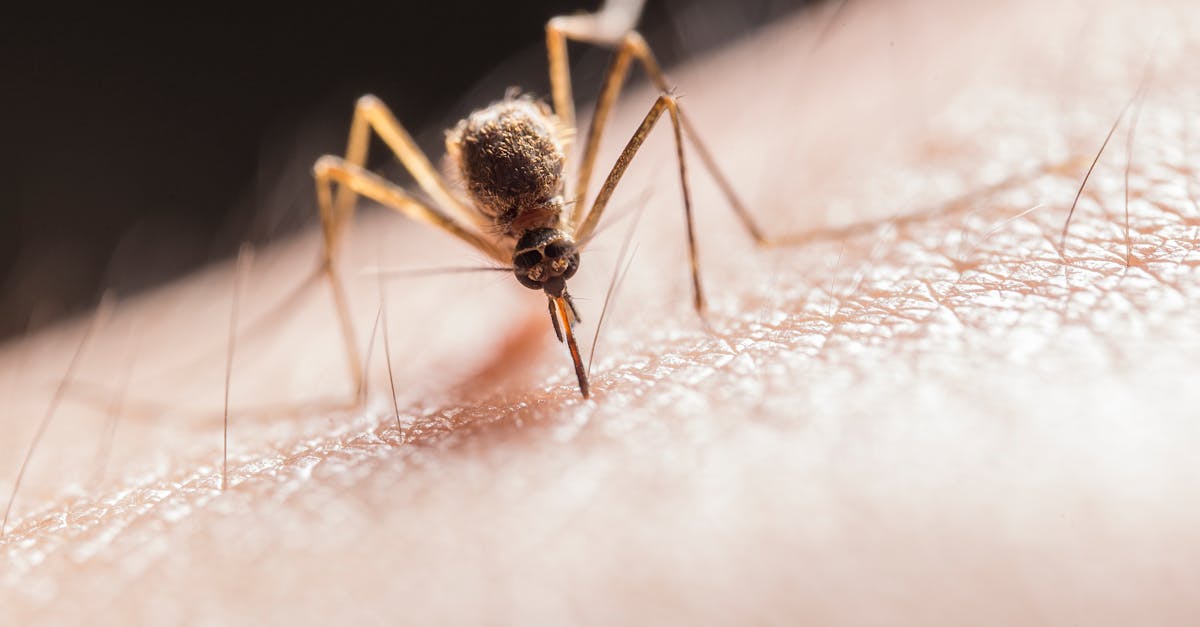
While Dengue fever is primarily transmitted by the Aedes aegypti mosquito, there are other ways that the virus can be passed on. For instance, Dengue fever can also be spread through infected blood transfusions and from mother to child during childbirth. Additionally, people who have had Dengue fever previously are at a higher risk of a severe Dengue fever episode if they contract the virus again. Another factor that increases the risk of Dengue fever transmission is the presence of standing water or improperly disposed of waste, which can attract and harbor mosquito breeding sites. It's crucial to remember that Dengue fever is preventable, and taking the necessary precautions to protect yourself and others from the virus is necessary to reduce the risk of transmission.

Prevention Measures
Prevention Measures:Preventing mosquito bites is key to protecting yourself from Dengue fever. Here are some measures you can take:
1. Use Mosquito Netting: Cover yourself with bed nets, particularly if you are sleeping during the day when mosquitoes are most active.
2. Mosquito Repellents: Use repellents containing DEET, picaridin, or other effective ingredients.
3. Elimination of Mosquito Breeding Sites: Remove standing water from your surroundings and eliminate sources of stagnant water as mosquitoes are attracted to still water.
4. Proper Clothing and Covering: Use long-sleeved shirts and pants with socks and shoes to cover bare skin and protect yourself from mosquito bites.
Remember, all these measures are equally essential. By adopting effective preventive measures, you can protect yourself from the danger of Dengue fever. In addition to using these measures, it's also necessary to seek medical attention promptly if you suspect you may have been infected with Dengue fever. Stay safe, and always prioritize your health.
Use of Mosquito Netting
One crucial preventive measure to protect yourself from Dengue fever is using mosquito nets. Mosquito nets are an effective way to prevent mosquito bites, particularly when you are sleeping or resting. Mosquitoes are most active during the day, but they can also bite at night. By using a mosquito net over your bed, you can significantly reduce your risk of being bitten by an infected mosquito. In some parts of the world, mosquito nets are a standard part of life, and they are often distributed as an essential tool for malaria prevention. Even if Dengue fever is not prevalent in your area, using a mosquito net can also protect you from other mosquito-borne diseases. To ensure maximum protection, use a net that is long enough to tuck into your mattress or sleeping mat and does not have any holes that mosquitoes can enter. Take advantage of the effectiveness of mosquito nets to safeguard your health and avoid the dangers of Dengue fever.
Mosquito Repellents
Mosquito repellents containing DEET and picaridin are effective in preventing mosquito bites and reducing the risk of contracting Dengue fever. These repellents can be applied directly to the skin or clothing, offering hours of protection against mosquito bites. Be sure to apply the repellent evenly, particularly on exposed skin areas, including arms, legs, and the neck. Repellents can be especially helpful during outdoor activities or when traveling to high-risk areas. However, it is essential to follow the manufacturer's instructions and take care when using repellents on children. Though repellents can provide a level of protection, it's important to remember that they are not 100% effective and should be used in conjunction with other preventive measures like mosquito nets and proper clothing and covering. By using a combination of preventive strategies, you can significantly reduce your risk of contracting Dengue fever and other mosquito-borne illnesses.

Elimination of Mosquito Breeding Sites
One effective strategy to prevent Dengue fever is to eliminate mosquito breeding sites around your home and community. Mosquitoes lay their eggs in still water, which allows them to develop into adults within days. Therefore, it is important to eliminate stagnant water where possible and not let it accumulate. Examples of areas to check for standing water include tires, flower pots, rain gutters, bird baths, and children's toys left outside. Don't forget to check under tarps and outdoor furniture covers too. By regularly inspecting and eliminating standing water around your home and community, you can disrupt the mosquito life cycle and reduce the risk of contracting Dengue fever. This simple yet effective strategy will not only protect you but your family and community as well.
Proper Clothing and Covering
Wearing proper clothing and covering bare skin is an important strategy for protecting yourself from Dengue fever. Mosquitoes can easily bite through thin fabrics, so it's important to wear clothing that covers as much skin as possible. Long-sleeved shirts and pants with socks and shoes offer the best protection, particularly when venturing outdoors. Brightly colored clothing should also be avoided as it can attract mosquitoes. Travelers should pack light, long-sleeved clothing made from breathable fabrics that will help them stay cool and comfortable while still providing protection. It's also important to remember that mosquitoes can bite through thin sheets and blankets, so it's essential to use bed nets, particularly at night. By taking these simple precautions and making them a part of your daily routine, you can protect yourself from the danger of Dengue fever.
Conclusion
In conclusion, dengue fever is a serious illness that can potentially be life-threatening. However, by taking necessary precautions and following simple preventive measures, one can easily avoid contracting this disease. Remember to keep your surroundings clean and free from stagnant water, wear protective clothing such as long-sleeved clothes and pants when outdoors, and use mosquito repellents regularly. Additionally, if you experience any symptoms of dengue fever, seek medical attention immediately. By being aware and proactive, you can protect yourself and those around you from the dangers of dengue fever
