
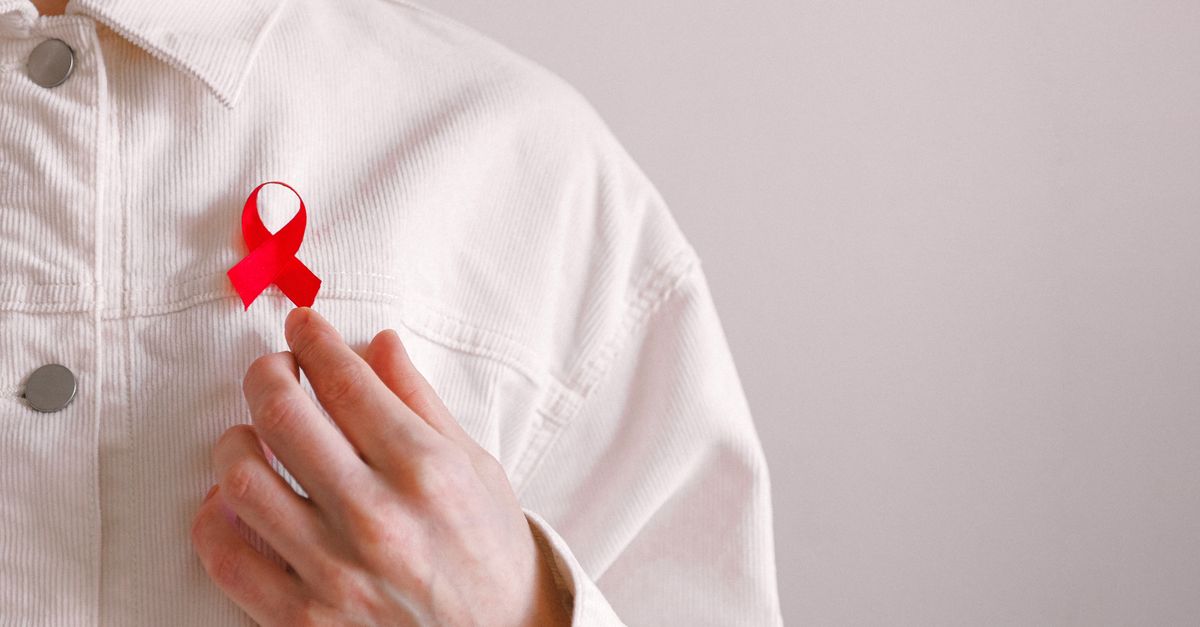
Unlocking secrets of HIV: Taking pre-emptive steps for prevention
Unlocking secrets of HIV: Taking pre-emptive steps for prevention
Understanding HIV Prevention: How can I safeguard myself from getting infected?
Understanding HIV prevention is of utmost importance in today's world. With the knowledge and tools available, it is crucial to equip ourselves with the necessary information to safeguard against this life-altering virus. In this article, we will delve into the various ways in which you can protect yourself from getting infected with HIV.
Get ready to explore practical steps, essential tips, and valuable insights that will empower you in your journey towards HIV prevention. We understand that navigating through this subject can be overwhelming, but fret not! Our aim is to provide a comprehensive guide that not only highlights the problem at hand but also offers tangible solutions and promises a safer future.
Unlocking secrets of HIV: Taking pre-emptive steps for prevention
Understanding HIV: A Brief Overview
Human Immunodeficiency Virus (HIV) is a global health concern that affects millions of people worldwide. To comprehend the importance of HIV prevention, it is crucial to understand the virus itself. HIV belongs to a group of viruses called retroviruses, which attack the body's immune system, specifically targeting CD4 cells, also known as T-helper cells.
Once inside the body, HIV replicates and gradually weakens the immune system, making it difficult for the body to fight off infections and diseases. Without proper treatment, HIV can progress to Acquired Immunodeficiency Syndrome (AIDS), which is the most advanced stage of HIV infection.
It's important to note that HIV cannot be transmitted through casual contact such as hugging or shaking hands. The most common modes of transmission include unprotected sexual intercourse with an infected individual, sharing contaminated needles or syringes during drug use, transfusion of infected blood or blood products without proper screening, and from an infected mother to her child during pregnancy, childbirth, or breastfeeding.
Despite its severe consequences if left untreated, there have been significant advancements in medical science regarding treatment and prevention strategies for HIV. With proper knowledge and proactive measures in place, individuals can safeguard themselves against acquiring this virus and lead healthy lives.

The Importance of HIV Prevention
HIV, or Human Immunodeficiency Virus, is a global health concern that has affected millions of lives. The importance of HIV prevention cannot be overstated, as it is our most powerful tool in combating the spread of this virus. By implementing effective prevention strategies, we can significantly reduce new infections and ensure a healthier future for individuals and communities.
Prevention plays a crucial role in minimizing the impact of HIV on both individuals and society as a whole. It not only saves lives but also reduces the burden on healthcare systems, promotes overall well-being, and fosters a sense of empowerment among those at risk. Through education, awareness campaigns, and access to resources, we can empower individuals with the knowledge and tools they need to protect themselves.
One of the key aspects of HIV prevention is promoting safe sexual practices. Engaging in consensual sexual activities while taking precautions can greatly reduce the risk of transmission. This includes consistent and correct use of condoms during sexual intercourse to prevent contact with infected bodily fluids. Additionally, regular testing for sexually transmitted infections (STIs) is essential for early detection and treatment.
Beyond safe sex practices, prevention also involves promoting harm reduction strategies among key populations at higher risk for HIV transmission. This includes people who inject drugs (PWID) or engage in risky behaviors such as sharing needles or syringes. By establishing needle exchange programs and providing access to sterile injecting equipment, we not only prevent new infections but also promote pathways to addiction treatment and support services.

Protecting Yourself: Essential Steps for HIV Prevention
When it comes to safeguarding yourself from HIV infection, knowledge and proactive measures are key. There are several essential steps you can take to protect yourself and reduce the risk of contracting HIV. By incorporating these strategies into your lifestyle, you can empower yourself to make informed choices and enjoy a healthier, HIV-free life.
1. Practicing Safe Sex
One of the most effective ways to prevent HIV transmission is through practicing safe sex. This means using condoms consistently and correctly during sexual activity. Condoms act as a barrier, preventing the exchange of bodily fluids that may contain the virus. Remember that both male and female condoms are equally effective in reducing the risk of HIV transmission, so choose the one that works best for you and your partner.
Furthermore, it's important to communicate openly with your partner about sexual health and history. Engaging in honest conversations about previous sexual experiences, testing, and any potential risks will help foster trust as well as enable informed decision-making regarding safer sex practices.
2. Taking Pre-Exposure Prophylaxis (PrEP)
An encouraging development in HIV prevention is the availability of Pre-Exposure Prophylaxis (PrEP). PrEP is a medication regimen taken by individuals who are at high risk of contracting HIV but are currently uninfected. The medication contains antiretroviral drugs that help prevent the virus from establishing an infection if exposed.
To access PrEP, consult with your healthcare provider or visit specialized clinics offering this service. Remember, though PrEP significantly reduces the risk of acquiring HIV, it does not protect against other sexually transmitted infections (STIs). Therefore, it's essential to continue practicing safe sex alongside PrEP use.
3. Regular HIV Testing
Regular HIV testing is vital for both early detection and prevention. By knowing your status, you can take appropriate measures to protect yourself and others. Get tested regularly, especially if you engage in high-risk behaviors such as unprotected sex with multiple partners or sharing needles.
Testing options include confidential clinics, community health centers, and home testing kits. Some regions even offer free or low-cost testing services to ensure accessibility for all individuals. Remember that knowledge is power; by knowing your HIV status, you can make informed decisions regarding prevention strategies and seek timely medical care if needed.
4. Education and Awareness
A well-informed individual is equipped with the necessary tools to protect themselves from HIV infection. Educating yourself about the virus, its transmission routes, and prevention methods is crucial in reducing the risk of acquiring HIV.
Additionally, spreading awareness within your community helps combat stigma surrounding HIV/AIDS. By promoting open dialogue and accurate information about the virus, you contribute to creating a supportive environment that encourages everyone to take responsibility for their sexual health.
Incorporating these essential steps into your life empowers you with knowledge and practical measures for effective HIV prevention. By practicing safe sex consistently, considering PrEP when appropriate, getting tested regularly, and promoting education and awareness about HIV within your community, you contribute to a brighter future where new infections are reduced and people can live their lives free from the fear of HIV/AIDS.

How to Use Condoms Correctly
Using condoms correctly is an essential aspect of practicing safe sex and protecting oneself from HIV infection. While condoms are highly effective in preventing the transmission of HIV, it is crucial to follow the proper steps to ensure their maximum effectiveness.Pinch the tip of the condom between your fingers to leave space for semen and unroll it over the fully erect penis. Ensure there are no air bubbles trapped inside by gently squeezing out any excess air along its length.
Taking Pre-Exposure Prophylaxis (PrEP) for HIV Prevention
Prevention is always better than cure, and when it comes to HIV, taking proactive measures can greatly reduce the risk of infection. One such measure is Pre-Exposure Prophylaxis (PrEP), a highly effective method that involves taking a daily pill to prevent contracting HIV. PrEP acts as a shield against the virus, providing peace of mind and empowering individuals to take control of their sexual health.
The key component in PrEP is a medication called Truvada, which contains two antiretroviral drugs: tenofovir and emtricitabine. When taken consistently, PrEP significantly reduces the chances of acquiring HIV from sexual activity or injection drug use. It works by inhibiting the replication of the virus in case of potential exposure, essentially creating an added layer of protection for those at risk.
Prior to starting PrEP, it is essential to consult with a healthcare provider who can assess your individual risk factors and determine whether it is suitable for you. Regular check-ups are also crucial while on PrEP to monitor any potential side effects or complications. Remember that despite its effectiveness, PrEP should always be used in combination with other preventive methods such as condom use for optimal protection.
By embracing PrEP as part of your preventive routine, you are not only safeguarding your own health but also contributing to the larger goal of ending the HIV epidemic. The World Health Organization has recognized PrEP as a cornerstone intervention in achieving this objective. With increased accessibility and awareness about PrEP, we have seen remarkable progress in reducing new HIV infections worldwide; together, we can continue on this path towards an AIDS-free generation.

The Role of HIV Testing: Regular Screening and Early Detection
Regular HIV testing plays a vital role in preventing the transmission of the virus and ensuring early detection, which is crucial for effective treatment. It is recommended that individuals who engage in behaviors that put them at risk for HIV infection, such as unprotected sex or sharing needles, undergo routine testing.
One of the main benefits of regular HIV screening is the ability to detect the virus at an early stage. This allows individuals to seek immediate medical attention and start antiretroviral therapy (ART) if needed. By initiating treatment early, people living with HIV can maintain a healthy immune system, reduce their viral load, and greatly decrease the risk of transmitting the virus to others.
Moreover, routine HIV testing also serves as an important tool for prevention. Many individuals may be unaware of their HIV status due to various reasons like lack of symptoms or fear of stigma. By encouraging widespread testing, we have the potential to identify those who are infected but unaware and provide them with proper care and support.
Additionally, regular screening contributes to breaking the chain of transmission by identifying new cases promptly. When someone tests positive for HIV, healthcare providers can offer counseling on safe practices and educate them about ways to prevent transmission to others. This not only protects their partners but also helps create a safer environment within communities.

Educating Yourself and Others: Promoting HIV Awareness
Knowledge is power, and when it comes to HIV prevention, education plays a crucial role in creating a society that is well-informed and equipped to combat the spread of the virus. By taking the initiative to educate yourself about HIV transmission, prevention methods, and the importance of testing, you are not only safeguarding your own health but also becoming an advocate for change.
One way to promote HIV awareness is by staying updated with accurate information from reliable sources such as reputable health organizations and government agencies. Attend workshops or seminars on HIV prevention, read books written by experts in the field, or explore online resources that provide comprehensive information about the virus. By arming yourself with knowledge, you can confidently engage in conversations about HIV prevention and dispel any myths or misconceptions surrounding it.
Another effective way to promote HIV awareness is by engaging in open dialogue with friends, family members, colleagues, and even strangers. Start conversations about sexual health and encourage others to share their thoughts, questions, or concerns. Create a safe space where everyone feels comfortable discussing topics related to sex, relationships, and personal well-being without judgment. By initiating these conversations, you can break down barriers surrounding HIV stigma and discrimination while fostering a supportive environment for everyone involved.
Furthermore, utilize various communication channels such as social media platforms or community bulletin boards to disseminate accurate information about HIV prevention methods. Share informative articles or infographics that highlight key facts about the virus or share personal stories from individuals living with HIV/AIDS. Harness the power of social influence by encouraging others to join the conversation and be part of the movement towards spreading awareness.
Reducing HIV Transmission Through Harm Reduction Strategies
As we strive to create a society free from the burden of HIV, it is crucial to implement comprehensive harm reduction strategies that effectively minimize the transmission of the virus. These strategies aim to reduce risky behaviors and provide individuals with the necessary tools and support to protect themselves and their communities. By adopting innovative approaches, we can empower individuals in their journey towards safer practices and contribute to the global effort of ending HIV.

Needle and Syringe Programs:
Intravenous drug use continues to pose a significant risk for HIV transmission. Needle and syringe programs play a vital role in preventing new infections by providing clean needles and syringes to people who inject drugs. These programs not only safeguard individuals from sharing contaminated equipment but also offer an opportunity for education, counseling, and access to support services. By addressing the root causes of substance abuse while promoting harm reduction, we can foster healthier choices among vulnerable populations.
Safe Injection Sites:
In addition to needle and syringe programs, safe injection sites have emerged as an innovative approach in reducing HIV transmission among people who inject drugs. These supervised facilities provide a controlled environment where individuals can consume illicit substances under medical supervision. Alongside sterile equipment, these sites offer access to healthcare professionals who can administer life-saving interventions during overdose situations. By ensuring hygienic conditions while engaging with drug users on multiple levels, safe injection sites promote safety without judgment.
Condom Distribution:
The consistent use of condoms remains one of the most effective methods for preventing sexual transmission of HIV. Encouraging condom use through widespread distribution is an integral part of harm reduction strategies aimed at reducing infections within sexually active populations. Efforts should be made not only in healthcare settings but also through community-based initiatives that make condoms easily accessible and destigmatized. By promoting a culture that embraces responsible sexual practices, we empower individuals to take control of their own health and protect themselves and their partners.

Comprehensive Sex Education:
Education is a fundamental aspect of HIV prevention, particularly when it comes to reducing transmission risks. Comprehensive sex education programs provide individuals with accurate information about HIV, its modes of transmission, and strategies for prevention. By addressing misconceptions, challenging stigma, and promoting open dialogue about sexual health, these programs empower individuals to make informed decisions that prioritize their well-being. Through education, we can foster a society that values sexual health as an essential component of overall wellness.
Building Stronger Communities: Support and Resources for HIV Prevention
Creating a strong support system is essential in the fight against HIV. Communities play a crucial role in providing resources, education, and assistance to individuals at risk of HIV infection. By fostering a supportive environment, we can empower individuals to take charge of their health and encourage active engagement in HIV prevention efforts.
A key component of building stronger communities is the availability of comprehensive health services. Accessible clinics and healthcare centers equipped with knowledgeable staff can provide essential HIV testing, counseling, and treatment options. These facilities should also offer mental health support services to address the emotional well-being of those affected by HIV.
Community-based organizations are pivotal in bridging gaps between healthcare providers and vulnerable populations. These organizations organize outreach programs that bring awareness about HIV prevention methods directly to communities in need. They also offer support groups where individuals can share experiences, seek advice, and foster social connections with others facing similar challenges.
Educational initiatives are vital for dispelling myths and misconceptions surrounding HIV/AIDS within communities. By promoting accurate information through workshops, seminars, or online platforms, these initiatives help combat stigma while encouraging open dialogue on sexual health practices. Through education, we empower community members with knowledge that enables them to make informed decisions regarding their sexual well-being.

Empowering Yourself: Overcoming Stigma and Discrimination
Living with HIV can be challenging not only due to the physical implications but also because of the stigma and discrimination that often accompany it. Overcoming these obstacles is crucial for individuals who seek empowerment and wish to lead fulfilling lives.
One way to combat stigma is through education and awareness. When we educate ourselves about HIV, we become equipped with accurate information that allows us to challenge misconceptions and stereotypes. By engaging in conversations with others, we can dispel myths, break down barriers, and foster a more inclusive society.
An essential aspect of overcoming stigma is embracing self-acceptance. People living with HIV should remember that their worth does not diminish because of their status. Cultivating a positive self-image contributes to resilience in the face of discrimination. Surrounding oneself with supportive friends, family, or even support groups forms a crucial support system that helps counteract societal prejudices.
Advocacy plays a significant role in empowering oneself and dismantling stigmatizing attitudes towards HIV. By becoming advocates for change, individuals affected by HIV can raise awareness and demand equal rights for all. Collaborating with local organizations or joining grassroots movements allows one's voice to be heard, creating opportunities for societal transformation.
Conclusion
In conclusion, safeguarding oneself from HIV infection requires a comprehensive approach that encompasses knowledge, awareness, and proactive steps. By consistently practicing safe sex through proper condom usage and considering pre-exposure prophylaxis (PrEP), individuals can significantly reduce their risk of contracting HIV. Regular HIV testing not only ensures timely detection but also promotes personal responsibility towards one's sexual health. Moreover, by actively engaging in education and advocacy, we can collectively combat the stigma surrounding HIV and foster a supportive environment for those affected. Let us stride forward with optimism, embracing empowerment, resilience, and compassion as we work towards a world free from the burden of HIV.
how can i prevent getting or spreading hiv, how can you prevent hiv infection, how can people avoid getting hiv virus,
Unlocking secrets of HIV: Taking pre-emptive steps for prevention
Unlocking secrets of HIV: Taking pre-emptive steps for prevention
Unlocking secrets of HIV: Taking pre-emptive steps for prevention
Unlocking secrets of HIV: Taking pre-emptive steps for prevention
Unlocking secrets of HIV: Taking pre-emptive steps for prevention
Unlocking secrets of HIV: Taking pre-emptive steps for prevention
