

Unraveling Glaucoma: Symptoms, Causes, & Treatment
Unveiling the silent thief: decoding glaucoma symptoms and treatments
glaucoma symptoms
Understanding Glaucoma: Symptoms, Causes, and Treatment Options
Delve into the intricate world of glaucoma, exploring its symptoms, causes, and diverse treatment options in this comprehensive article.
Glaucoma: a silent thief that slowly robs individuals of their precious eyesight. This debilitating eye disease affects millions of people worldwide, yet its symptoms often go unnoticed until irreversible damage has already occurred. In this comprehensive article, we will delve into the intricate world of glaucoma, shedding light on its symptoms, causes, and treatment options.
Prepare to embark on a journey of knowledge and understanding as we unravel the mysteries surrounding this ocular affliction. We will explore the early signs that may indicate the presence of glaucoma, empowering you with the ability to take proactive steps towards early detection. Together, we will enter into a realm where innovative treatments and management techniques offer hope and promise for those affected by this condition.
Understanding Glaucoma: A Sneak Peek into the Silent Thief of Sight
Imagine a world without colors, where the vibrant hues of nature wither away, and the beauty of a loved one's face fades into darkness. This somber reality is often experienced by those afflicted with glaucoma, a stealthy eye disease that silently threatens our vision. Glaucoma, aptly referred to as the "silent thief of sight," gradually steals away our ability to see, without showing any initial symptoms or warning signs.
In this section, we will delve into the depths of glaucoma's intricacies and explore its impact on millions worldwide. We will journey through the eyes of Emily, a brave individual who battles this condition daily and serves as an inspiration for others facing similar challenges. By understanding the nature of glaucoma and its devastating consequences, we can equip ourselves with knowledge and arm ourselves against this formidable adversary.
Glaucoma is more than just an eye disease; it is a complex web of interconnected factors that converge to damage our optic nerve—the crucial link between our eyes and brain. High intraocular pressure (IOP) plays a significant role in causing optic nerve damage. However, it is important to note that not all cases of glaucoma are characterized by elevated IOP; some individuals may develop this condition even with normal IOP levels.
The most common form of glaucoma—open-angle glaucoma—typically progresses slowly over time. It silently erodes peripheral vision before gradually encroaching upon central vision as well. One might compare it to a cunning thief stealthily robbing us blindfolded while we remain oblivious to their presence until it is too late.

A Story of Hope: Emily's Journey with Glaucoma
Emily, a vibrant young woman with dreams as big as her heart, had her world turned upside down when she was diagnosed with glaucoma. It was a diagnosis that initially filled her with fear and uncertainty. However, Emily's remarkable resilience and positive outlook allowed her to transform this setback into an opportunity for growth and inspiration.
From the moment she received the diagnosis, Emily embarked on a journey of self-discovery and empowerment. Instead of succumbing to despair, she chose to educate herself about glaucoma, its effects on vision, and various treatment options available. Armed with knowledge, Emily became an active participant in her own healthcare journey.
Through countless visits to ophthalmologists and support groups, Emily found solace in connecting with others who shared similar experiences. These interactions provided her not only with practical guidance but also emotional support. Together they formed a community united by resilience, determination, and hope—each person becoming a source of inspiration for one another.
Emily's journey taught her the importance of embracing life fully despite the challenges posed by glaucoma. She discovered newfound appreciation for small moments—a beautiful sunset or the warm embrace of loved ones—realizing that these precious experiences are not defined by visual clarity but rather by genuine connections and profound emotions.
What is Glaucoma? Unveiling the Basics of this Eye Disease
Glaucoma, often referred to as the "silent thief of sight," is a group of eye conditions that gradually damage the optic nerve and can lead to irreversible vision loss if left untreated. Typically, glaucoma begins with increased pressure inside the eye, known as intraocular pressure (IOP). However, it's essential to understand that not all cases of glaucoma are associated with elevated IOP.
The two main types of glaucoma are primary open-angle glaucoma (POAG) and angle-closure glaucoma (ACG), with POAG accounting for about 90% of all cases. POAG develops slowly over time and often goes unnoticed until significant vision loss occurs. On the other hand, ACG is characterized by a sudden blockage in fluid drainage from the eye, leading to a rapid increase in IOP and causing severe symptoms.
Glaucoma can affect anyone, regardless of age or gender. However, certain factors may increase the risk of developing this condition. These include advanced age, family history of glaucoma, certain medical conditions such as diabetes or high blood pressure, previous eye injuries or surgeries, and prolonged use of corticosteroid medications. It's crucial to be aware of these risk factors and take appropriate measures to monitor one's eye health regularly.
The early stages of glaucoma often go unnoticed as symptoms are typically absent until significant damage has occurred. As a result, regular comprehensive eye exams play a critical role in detecting glaucoma early on. During an examination, your eye care professional will measure your IOP using tonometry and evaluate other aspects such as optic nerve health and visual field tests. Through timely diagnosis and treatment interventions aimed at preserving eyesight, individuals diagnosed with glaucoma can lead fulfilling lives and maintain their independence.

Detecting the Silent Thief: First Signs that Glaucoma may be Developing
Glaucoma, often referred to as the "silent thief of sight," is a complex eye disease that progresses gradually, often without any noticeable symptoms in its early stages. This stealthy nature makes early detection and treatment critical in preventing irreversible vision loss. While routine eye examinations are essential for identifying glaucoma, understanding its first signs and risk factors can empower individuals to seek timely diagnosis and intervention.
One of the primary indicators of glaucoma is elevated intraocular pressure (IOP). Although not everyone with high IOP will develop glaucoma, it remains a significant risk factor. Regular measurement of IOP during comprehensive eye exams helps identify potential abnormalities. Furthermore, individuals with a family history of glaucoma should be particularly vigilant since genetics play a role in its development.
Vision changes can also serve as early warning signs of glaucoma. Peripheral vision loss or tunnel vision, for instance, might signify the onset of this condition. Patients may notice difficulty seeing objects out of the corner of their eyes or feel as though they are looking through a narrow tube. These visual disturbances should never be ignored and warrant immediate consultation with an eye care professional.
In addition to changes in peripheral vision, another subtle sign indicating possible glaucoma presence is an alteration in color perception or reduced contrast sensitivity. Colors may appear faded or less vibrant than usual — a phenomenon easily dismissed but potentially indicative of optic nerve damage associated with glaucoma.
The Importance of Early Diagnosis: Nipping Glaucoma in the Bud
Picture this: a small crack forms in a dam, allowing water to slowly trickle through. Unnoticed and unchecked, the crack grows larger, until one day, the dam collapses with catastrophic consequences. Just like this analogy, glaucoma silently damages your vision over time - but with early diagnosis, we can intervene and prevent irreversible harm.
Glaucoma often goes undetected in its early stages because it presents no obvious symptoms. Many individuals unknowingly dismiss subtle signs like mild eye discomfort or occasional blurred vision as ordinary occurrences. However, by understanding the importance of early diagnosis, we can protect our precious eyesight and maintain a vibrant quality of life.
Early diagnosis is crucial because once vision loss occurs due to glaucoma, it is irreversible. Detecting glaucoma in its infancy allows for timely treatment interventions that can slow down or halt disease progression. Regular eye exams are key to identifying any signs of glaucoma at an early stage when treatment options are more effective and less invasive.
Moreover, embracing early diagnosis empowers us to take control of our eye health and make informed decisions about our treatment plans. By being proactive about regular check-ups with an ophthalmologist or optometrist, we ensure that any potential signs of glaucoma are promptly identified and addressed. Remember: knowledge is power when it comes to safeguarding our precious gift of sight!

Can Glaucoma be Cured? Exploring Treatment Options and Possibilities
Glaucoma, often referred to as the "silent thief of sight," is a complex eye disease that requires careful management and treatment. While there is currently no known cure for glaucoma, advancements in medical science have provided various treatment options that can effectively slow down its progression and preserve vision.
One of the primary goals in treating glaucoma is to reduce intraocular pressure (IOP), as elevated pressure within the eye is a major risk factor. The most common initial approach involves prescribing medicated eye drops that help decrease fluid production or increase drainage from the eye, thus lowering IOP. These drops are typically used daily and require strict adherence to ensure optimal results.
In cases where eye drops alone are insufficient in controlling IOP, additional interventions may be necessary. Laser therapy has emerged as a valuable tool in managing glaucoma, with procedures such as selective laser trabeculoplasty (SLT) or laser peripheral iridotomy (LPI) offering targeted treatment options. SLT utilizes laser energy to improve drainage of fluids from the eye, while LPI creates an alternate pathway for fluid flow in certain types of glaucoma.
Surgical intervention may also be considered when medications and laser therapy fail to adequately control glaucoma. Trabeculectomy, a commonly performed surgical procedure for glaucoma, involves creating a tiny drainage canal through which excess fluid can exit the eye. Another surgical option is minimally invasive glaucoma surgery (MIGS), which encompasses several newer procedures that offer effective IOP reduction with faster recovery times compared to traditional surgeries.

5 Surprising Ways to Manage Glaucoma and Preserve Your Eyesight
1. Mindful Meditation: Did you know that practicing mindfulness can potentially help manage glaucoma? Research suggests that engaging in regular meditation can reduce intraocular pressure, a key factor in glaucoma progression. By focusing on your breath and cultivating a state of calmness, you may be able to lower the pressure inside your eyes. So, take a few minutes each day to meditate and nurture both your mind and your eyes.
2. The Power of Exercise: Physical activity not only benefits overall health but can also have a positive impact on managing glaucoma. Engaging in moderate aerobic exercises such as brisk walking or cycling stimulates blood flow and improves circulation throughout the body, including the eyes. By increasing oxygen supply to the optic nerve, exercise may help slow down the progression of glaucoma.
3. A Nutritious Diet: Maintaining a well-balanced diet rich in antioxidants is crucial for managing glaucoma. Foods like leafy greens, colorful fruits, and omega-3 fatty acids found in fish provide essential nutrients that nourish the optic nerve and protect against damage caused by free radicals. Embrace nature's bounty to safeguard your vision.
4. The Healing Touch of Acupuncture: Traditional Chinese medicine offers an alternative approach to managing glaucoma through acupuncture therapy. Acupuncture stimulates specific points on the body with fine needles, promoting overall well-being including ocular health. While further research is needed, some individuals have reported positive effects from incorporating acupuncture into their comprehensive eye care routine.
Beyond conventional treatments, exploring these surprising methods empowers individuals with glaucoma to actively participate in their eye health journey while maintaining hope for a brighter future. Remember, every small step taken towards preserving your eyesight is a victory in itself.
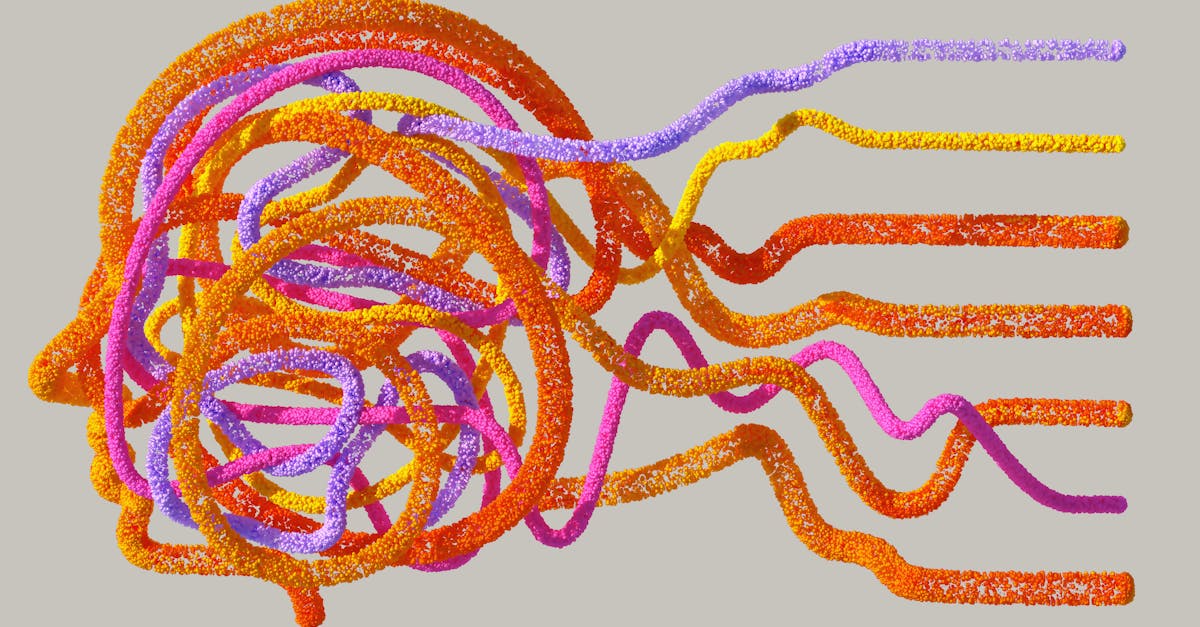
Beyond Medications: Innovative Approaches to Glaucoma Treatment
While medications play a crucial role in managing glaucoma, there are also innovative treatment approaches that go beyond conventional drug therapies. These advanced techniques offer new hope for patients seeking alternative options to preserve their eyesight and improve their quality of life.
Laser Therapy: Unleashing the Power of Light
One promising technique gaining popularity in glaucoma management is laser therapy. Laser trabeculoplasty, for instance, involves using a specialized laser to enhance the drainage of fluid from the eye, reducing intraocular pressure. This non-invasive procedure offers patients a safe and effective option with minimal side effects.
This cutting-edge technology not only helps control glaucoma progression but also reduces the burden of long-term medication use. By precisely targeting specific areas within the eye, lasers provide a targeted approach tailored to each patient's unique needs.
The beauty of laser therapy lies in its ability to achieve long-lasting results. Many individuals have experienced remarkable improvements in their vision and eye health following this minimally invasive treatment, offering renewed optimism for those combating glaucoma.
Surgical Advances: Navigating New Horizons
While surgery has been traditionally reserved as a last resort for treating glaucoma, recent advances have paved the way for safer and more effective procedures. Minimally invasive glaucoma surgery (MIGS) is revolutionizing how we approach surgical interventions.
MIGS techniques such as trabecular microbypass stents or implants allow for safer and quicker procedures with reduced recovery times compared to traditional surgeries. These innovative devices help enhance the natural drainage system of the eye while minimizing potential complications.
Moreover, combining MIGS procedures with cataract surgeries has become a game-changer. This approach not only manages glaucoma but also addresses concurrent cataract formation, effectively providing patients with a two-fold benefit.
With surgical advancements continually evolving, the future holds immense promise for individuals living with glaucoma. These breakthroughs offer renewed hope and an optimistic outlook towards achieving better outcomes for patients worldwide.
Gene Therapy: Unlocking the Potential of Genetics
The field of gene therapy has emerged as a captivating avenue in glaucoma research. By targeting specific genes associated with glaucoma development, scientists aim to address the root causes of this complex disease.
Promising studies have shown that gene therapies hold significant potential in preventing or reversing optic nerve damage caused by glaucoma. By utilizing advanced techniques such as viral vectors to deliver corrective genes into affected cells, researchers are paving the way for innovative treatments that might one day provide permanent solutions.
While gene therapy is still in its infancy and requires further exploration, it exemplifies the unwavering commitment of scientists and medical professionals to find novel approaches to combat glaucoma. This groundbreaking field offers a beacon of hope, promising brighter prospects for future generations facing this sight-stealing condition.
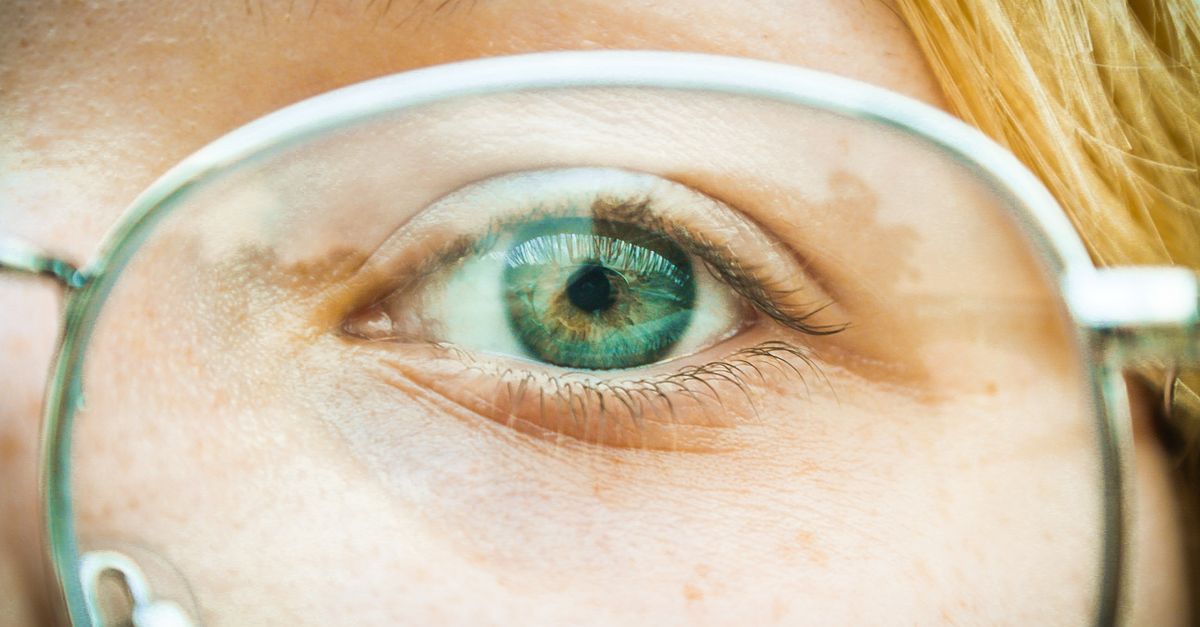
Nurturing Hope: Combining Innovation and Compassion
As we delve deeper into exploring these innovative approaches to treating glaucoma, it is crucial not just to embrace the advancements but also nurture compassion throughout the process. The collaboration between scientific progress and empathetic care is vital in ensuring that all patients can access these cutting-edge treatments without undue stress or financial burden.
By uniting innovation with empathy, we create a brighter future where those affected by glaucoma can find solace in knowing that there are constantly evolving treatment options available to them. Together, we can redefine what it means to live with glaucoma, empowering individuals to embrace life with optimism and unwavering determination.
Embracing the Future: Revolutionary Breakthroughs in Glaucoma Research
Glaucoma, being a complex eye disease, has long posed challenges for researchers and ophthalmologists alike. However, in recent years, advancements in technology and scientific understanding have brought forth a wave of revolutionary breakthroughs in glaucoma research. These developments offer hope for more effective treatment options and improved quality of life for those affected by this silent thief of sight.
1. Gene Therapy: One groundbreaking area of glaucoma research revolves around gene therapy. Scientists are exploring the use of genetic engineering to target specific genes responsible for the development and progression of glaucoma. By modifying these genes, it may be possible to halt or even reverse the damage caused by the disease.
Imagine a future where a single injection could provide a lifelong protection against glaucoma, preventing vision loss before it even begins.
2. Stem Cell Therapy: Stem cell research holds immense promise for regenerating damaged optic nerve cells that are central to glaucoma-related vision loss. Scientists are investigating ways to harness the power of stem cells to replace damaged or degenerated tissues within the eye, potentially restoring vision in individuals with advanced stages of glaucoma.
Picture a world where individuals once blinded by glaucoma regain their sight through regenerative medicine techniques, offering them renewed hope and independence.
3. Neuroprotective Strategies: Researchers are dedicating significant efforts towards developing neuroprotective therapies that can shield optic nerve cells from damage caused by glaucoma. Various compounds and medications are being investigated for their potential to preserve nerve function and prevent further deterioration, ultimately slowing down or halting disease progression altogether.
Envision a future where individuals diagnosed with glaucoma can confidently pursue their passions, knowing that effective neuroprotective treatments are available to safeguard their vision.
4. Artificial Intelligence (AI) Applications: Harnessing the power of artificial intelligence, researchers are utilizing machine learning algorithms and computer vision techniques to analyze complex data sets obtained from glaucoma patients. This innovative approach holds the potential to improve early detection, enhance disease monitoring, and provide personalized treatment plans tailored to individual patient needs.
Consider a scenario where an AI-powered screening device can accurately identify subtle changes in the eye indicative of early-stage glaucoma, enabling prompt intervention and preventing unnecessary vision loss.
This glimpse into the future of glaucoma research brings forth immense optimism. While these breakthroughs are still in various stages of development and implementation, they pave the way for improved diagnostic tools, more targeted therapies, and ultimately a brighter future for individuals living with glaucoma. As we continue to embrace these advancements, let us remain hopeful that one day we will conquer this silent thief of sight once and for all.

Inspiring Stories of Triumph: Overcoming Challenges with Glaucoma
Glaucoma is a formidable opponent, challenging individuals from all walks of life. Yet, within the shadows cast by this relentless eye disease, emerge stories of hope, resilience, and triumph. Despite the obstacles they face, countless individuals have defied the odds and continued to live remarkable lives. Their stories serve as beacons of inspiration for those grappling with glaucoma themselves or supporting loved ones through this journey.
Meet Sarah Johnson, an avid hiker who was diagnosed with glaucoma in her early thirties. Initially devastated by her diagnosis, Sarah refused to let it define her or limit her aspirations. With unwavering determination and the support of her ophthalmologist, she researched adaptive techniques for visually impaired hikers and embarked on a quest to conquer some of the world's most challenging trails. Today, Sarah not only revels in breathtaking landscapes but also advocates for accessible outdoor experiences for individuals living with glaucoma.
Inspired by his own battle with glaucoma-induced vision loss, Dr. Michael Anderson founded a non-profit organization dedicated to improving the lives of visually impaired individuals affected by glaucoma. By providing educational resources, access to cutting-edge technologies like visual aids and assistive devices, and fostering a supportive community network, Dr. Anderson's organization has become a beacon of hope for countless individuals navigating their own journeys with glaucoma.
Emily Clarke's story touched hearts across nations when she became the first visually impaired athlete with glaucoma to complete an Ironman triathlon. Diagnosed at a young age, Emily refused to let fear consume her dreams or dampen her spirit. With unwavering determination and rigorous training regimen adapted specifically for her needs, she crossed that finish line against all odds – proving that anything is possible, even for those grappling with the challenges of glaucoma.
Homeopathic remedies for glaucoma eye diseases
Glaucoma, a group of eye diseases causing damage to the optic nerve, often results in gradual vision loss and can even lead to blindness if left untreated. While conventional medical treatments for glaucoma primarily focus on reducing intraocular pressure through medications or surgery, homeopathic remedies offer a holistic approach that aims to not only alleviate symptoms but also address the underlying causes of the disease.
Homeopathic medicines like Arnica, Belladonna, and Gelsemium are known to have potential benefits for managing glaucoma. These remedies work by stimulating the body's natural healing mechanisms and promoting overall health and well-being. However, it is crucial for individuals with glaucoma to consult a qualified homeopathic practitioner before using these remedies since each case may require personalized treatment.
When it comes to preventing glaucoma or detecting it early on, regular eye check-ups play a vital role. Early detection allows for timely intervention and management using either conventional or alternative approaches. It's essential for those at risk for glaucoma – such as individuals with a family history of the disease or those over 60 years old – to be proactive about monitoring their eye health through comprehensive screenings. By combining preventive measures with informed treatment options like homeopathy, individuals can take proactive steps towards managing and potentially overcoming the challenges posed by glaucoma.
Conclusion: Empowering Ourselves to Protect Our Vision
Glaucoma may be a formidable adversary, silently working to steal our sight, but armed with knowledge and awareness, we can rise above its challenges. By understanding the symptoms, causes, and treatment options associated with glaucoma, we empower ourselves to take proactive steps in preserving our precious vision. From early detection and prompt medical intervention to embracing innovative approaches and groundbreaking research, the future holds promise for those affected by this eye disease. With renewed hope and determination, let us navigate this journey together, ensuring a brighter tomorrow for ourselves and loved ones.
Unraveling Glaucoma: Symptoms, Causes, & Treatment
Unraveling Glaucoma: Symptoms, Causes, & Treatment
Unraveling Glaucoma: Symptoms, Causes, & Treatment
Unraveling Glaucoma: Symptoms, Causes, & Treatment
Unraveling Glaucoma: Symptoms, Causes, & Treatment
Unraveling Glaucoma: Symptoms, Causes, & Treatment
what is glaucoma and how is it treated, what are the first signs that glaucoma is developing, can glaucoma be cured,
