

What You Need to Know About Treating Varicose Veins
Varicose veins: those unsightly, bulging vessels that can wreak havoc on your confidence and comfort. If you're one of the millions of individuals affected by this common condition, you understand the frustration it brings. But fear not, for this comprehensive article will equip you with the knowledge and tools you need to combat varicose veins effectively.
Within the following sections, we will delve into a range of topics related to treating varicose veins. From natural remedies to lifestyle changes and even medical interventions, we will explore various approaches that can help alleviate symptoms and improve your overall quality of life. So sit back, relax, and prepare to discover a wealth of valuable information that will empower you in your battle against varicose veins.
Understanding Varicose Veins
Varicose veins are swollen and twisted veins that usually appear on the legs. They occur when the valves in the veins weaken or become damaged, causing blood to pool and flow backward. This leads to increased pressure within the affected veins, resulting in their enlarged and bulging appearance.
While varicose veins can be a cosmetic concern for some individuals, they can also cause discomfort such as aching, heaviness, or itching. In severe cases, they may lead to complications like ulcers or blood clots. It is important to understand the underlying causes of varicose veins in order to effectively treat and manage them.
Several factors contribute to the development of varicose veins, including genetics, age, gender, pregnancy, obesity, and prolonged periods of standing or sitting. Understanding these risk factors is essential in preventing their onset or progression. Remember that knowledge is power when it comes to taking charge of your vascular health!
The Natural Approach to Treating Varicose Veins
When it comes to treating varicose veins, embracing a natural approach can provide significant relief and improve overall vein health. By focusing on lifestyle changes, incorporating specific exercises, exploring herbal remedies, and optimizing nutrition, you can promote healthy blood flow and reduce the appearance of varicose veins.

Lifestyle Changes for Varicose Vein Relief
Making simple but impactful lifestyle changes can be a game-changer in managing varicose veins. Start by avoiding prolonged sitting or standing as much as possible. Elevate your legs whenever you have the opportunity to promote better blood circulation. Wear compression stockings or socks to compress the veins and alleviate symptoms. Additionally, maintaining a healthy weight reduces pressure on your legs and improves overall vein function.
Furthermore, practicing good hygiene by taking lukewarm showers instead of hot baths helps avoid excess heat exposure that may worsen symptoms. Avoid tight clothing that restricts blood flow and opt for loose-fitting garments instead.
The Power of Exercise in Reducing Varicose Veins
Engaging in regular exercise not only benefits your overall health but also plays a vital role in reducing the prominence of varicose veins. Low-impact aerobic exercises such as walking or swimming stimulate blood circulation while minimizing strain on the veins.
Incorporating strength training exercises targeting the leg muscles is also beneficial as stronger muscles help pump blood more efficiently through the veins. Simple leg exercises like calf raises, squats, and leg lifts enhance muscle tone while reducing venous congestion.
Exploring Herbal Remedies for Varicose Veins
Nature offers us a treasure trove of herbal remedies that can aid in treating varicose veins naturally. Horse chestnut extract, for instance, has been widely studied and found to strengthen vein walls and improve blood flow. Aloe vera gel can be topically applied to alleviate discomfort and reduce inflammation. Witch hazel, known for its astringent properties, can help tighten veins and reduce swelling.
Other beneficial herbal remedies include gotu kola, butcher's broom, and grape seed extract. These herbs work synergistically to promote healthy circulation, strengthen vein walls, and reduce the appearance of varicose veins.
By incorporating these natural approaches into your lifestyle, you can take proactive steps towards managing varicose veins effectively. Embracing a holistic approach not only improves vein health but also uplifts your overall well-being with the power of nature's remedies.
Lifestyle Changes for Varicose Vein Relief
When it comes to treating varicose veins, making certain lifestyle changes can significantly alleviate discomfort and promote overall vein health. These changes are simple yet powerful, and can make a remarkable difference in your well-being. Embracing a healthy lifestyle is not only beneficial for your veins but also for your entire body.
Maintain a Healthy Weight: Excess weight puts added pressure on your veins, increasing the risk of developing or worsening varicose veins. By maintaining a healthy weight through a balanced diet and regular exercise, you can relieve strain on the veins and improve blood circulation throughout your body.
Stay Active: Leading an active lifestyle is essential for reducing the risk of varicose veins. Regular physical activity such as walking, swimming, or cycling helps to strengthen leg muscles and enhance blood flow. Aim for at least 30 minutes of moderate exercise five days a week to keep those troublesome veins in check.
Elevate Your Legs: Elevating your legs above heart level is an effective way to reduce swelling and relieve pressure on the veins. Take short breaks throughout the day to elevate your legs while lying down or propping them up on pillows. This simple act allows gravity to assist in improving blood circulation.

The Power of Exercise in Reducing Varicose Veins
Exercise, although often overlooked, plays a significant role in reducing the appearance and discomfort of varicose veins. Engaging in regular physical activity not only improves overall circulation but also strengthens the leg muscles, which assists in maintaining healthy blood flow. By incorporating exercises that target the lower body, such as walking, jogging, cycling, or swimming, individuals can effectively minimize the occurrence and progression of varicose veins.
One of the most beneficial exercises for varicose veins is walking. This simple yet effective low-impact workout stimulates blood circulation and helps to prevent blood from pooling in the legs. The rhythmic motion of walking facilitates venous return while strengthening calf muscles that act as natural pumps to assist blood flow against gravity. Aim for at least 30 minutes of brisk walking every day to experience substantial improvements in your condition.
In addition to walking, other aerobic exercises like jogging or cycling are highly recommended for combating varicose veins. These activities elevate heart rate and promote healthy blood flow throughout the body. Regular cardio exercise not only aids in weight management but also reduces inflammation and improves vascular health overall. Furthermore, swimming is an excellent option as it provides a total body workout while being gentle on joints.
Exploring Herbal Remedies for Varicose Veins
When it comes to seeking natural solutions for varicose veins, herbal remedies reign supreme. Harnessing the power of nature's botanical treasures can provide relief and support healthy circulation. Here, we delve into some of the most effective herbs that have shown promising results in alleviating the symptoms associated with varicose veins.
1. Horse Chestnut (Aesculus hippocastanum)
Horse chestnut extract has long been revered for its ability to strengthen blood vessels and improve blood flow. Rich in a compound called aescin, it aids in reducing inflammation and swelling associated with varicose veins. This botanical marvel also promotes venous tone and elasticity, ultimately enhancing venous return.
A study published in the Journal of Vascular Medicine reported significant improvement in symptoms such as pain, heaviness, and leg swelling among participants who used horse chestnut extract regularly. Embrace this herbal ally by incorporating horse chestnut supplements or topical creams into your daily routine.
2. Butcher's Broom (Ruscus aculeatus)
The resilient butcher's broom plant offers exceptional benefits for those grappling with varicose veins. Its primary active compound, ruscogenin, possesses powerful anti-inflammatory properties that aid in reducing vein inflammation and strengthening blood vessel walls.
Clinical studies have demonstrated that butcher's broom effectively reduces leg swelling and discomfort caused by venous insufficiency—a common condition associated with varicose veins. To experience its healing prowess, consider taking butcher's broom supplements or applying topical preparations containing this herb directly to the affected area.
3. Gotu Kola (Centella asiatica)
In traditional Ayurveda and Chinese medicine, gotu kola has been revered as a potent remedy for venous insufficiency and varicose veins. Its active compounds, namely asiaticoside and madecassoside, strengthen the walls of blood vessels and enhance collagen production.
A research study published in the International Journal of Angiology revealed that oral administration of gotu kola extract significantly reduced leg swelling and improved skin health among participants with chronic venous insufficiency. Harness the power of gotu kola by incorporating it into your routine through herbal tea, capsules, or creams.
By embracing these herbal remedies, you can embark on a journey towards alleviating the discomfort caused by varicose veins. Remember to consult with a healthcare professional before incorporating any new herbs or supplements into your regimen to ensure their compatibility with your specific health needs. Embrace nature's gifts and empower yourself to manage varicose veins naturally!
The Magic of Essential Oils for Varicose Vein Treatment
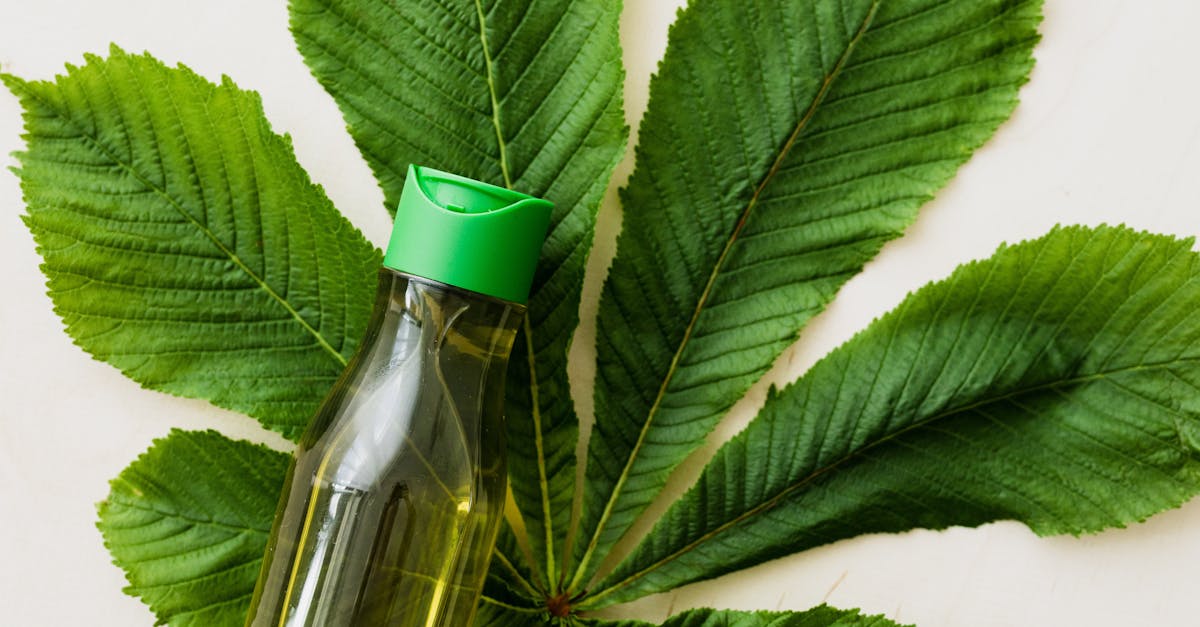
Essential oils have long been cherished for their therapeutic properties and aromatic allure. These concentrated plant extracts can also play a significant role in addressing varicose veins, offering a natural and soothing approach to treatment. Incorporating essential oils into your daily routine can provide relief from discomfort, reduce the appearance of veins, and enhance overall vein health.
Lemon essential oil is a refreshing option for varicose vein treatment. Its citrusy scent uplifts the spirit while its powerful antioxidants strengthen blood vessels. Applying diluted lemon oil topically can stimulate circulation and promote healthy blood flow, reducing the swelling and pain associated with varicose veins.
Cypress essential oil is another gem that supports varicose vein treatment. Known for its astringent properties, cypress oil can help tighten blood vessels and improve their elasticity. Regular application of this woody-scented oil may aid in reducing the visibility of varicose veins while providing a cooling sensation to ease discomfort.
The Impact of Nutrition on Varicose Vein Health
When it comes to managing varicose veins, paying attention to your diet can make a significant difference in promoting vein health and reducing discomfort. A well-balanced, nutritious diet can provide the essential nutrients that support proper blood circulation and strengthen vein walls.
Vitamin C is an indispensable component of a vein-friendly diet. This powerful antioxidant helps in the production of collagen, which is crucial for maintaining the integrity of blood vessels. Citrus fruits like oranges and grapefruits are excellent sources of vitamin C, while berries such as strawberries and blueberries also offer this vital nutrient.
Another essential nutrient for varicose vein health is vitamin E. This vitamin acts as an antioxidant, protecting cells from oxidative stress and inflammation. Incorporating foods rich in vitamin E, such as almonds, spinach, and sunflower seeds into your diet can contribute to healthier veins.

Effective Home Remedies for Varicose Veins
When it comes to treating varicose veins, many individuals prefer to explore natural remedies within the comfort of their own homes. While these remedies may not provide a permanent solution, they can certainly help in reducing discomfort and improving the appearance of the affected veins. Let's delve into some effective home remedies that have shown promising results:
1. Apple Cider Vinegar
Known for its numerous health benefits, apple cider vinegar is often touted as a versatile remedy for various conditions, including varicose veins. Its natural properties aid in improving blood circulation and reducing inflammation. To use this remedy, simply mix equal parts of apple cider vinegar and water in a bowl. Soak a clean cloth or cotton ball in the mixture and apply it directly on the affected area. Gently massage the area using circular motions for about 10 minutes before rinsing off with warm water.
2. Witch Hazel
Witch hazel is a powerful astringent that can help alleviate symptoms associated with varicose veins such as itching, swelling, and pain. It contains tannins which tighten the blood vessels and reduce inflammation. To apply witch hazel topically, soak a cotton pad or ball in pure witch hazel extract and gently dab it onto the affected areas twice daily. For added relief, you can store witch hazel-soaked pads in the refrigerator before applying them.
3. Horse Chestnut Seed Extract
Horse chestnut seed extract has long been used as an herbal remedy for venous insufficiency – a condition closely associated with varicose veins. It contains a compound called Aescin that helps strengthen vein walls and improve blood flow through them. You can find horse chestnut seed extract in the form of creams, gels, or capsules. When using topically, apply the cream or gel directly on the affected area and gently massage it in circular motions. If you opt for capsules, be sure to follow the recommended dosage provided by a healthcare professional.
Remember, while these home remedies can provide relief and improve symptoms temporarily, they are not a substitute for medical treatment. It is important to consult with a healthcare professional if your varicose veins are causing significant discomfort or affecting your quality of life. With proper care and attention, you can find relief from varicose veins and embark on a path towards healthier legs.
When to Seek Medical Intervention for Varicose Veins
While natural remedies and lifestyle changes can provide significant relief for varicose veins, there are instances where medical intervention becomes necessary. It is important to understand the signs that indicate when seeking professional help is crucial for your well-being and overall vein health.
1. Persistent pain and discomfort: If you experience persistent pain, throbbing, or discomfort in your legs that hinders your daily activities, it may be a sign of a more serious underlying issue with your varicose veins. Consulting a vascular specialist will enable you to determine the root cause and explore appropriate treatment options.
2. Bleeding or ulcers: In rare cases, varicose veins can rupture or develop ulcers on the skin's surface due to increased pressure within the affected veins. If you notice any bleeding from your varicose veins or the development of open sores, it is imperative to seek immediate medical attention to prevent infection and ensure proper healing.
3. Progressive swelling and inflammation: If your varicose veins continue to worsen over time, with increasing swelling and inflammation in your legs, ankles, or feet, it may indicate a more advanced stage of venous insufficiency. Seeking medical intervention at this point can help prevent further complications such as blood clots or deep vein thrombosis.
In conclusion, while natural remedies can alleviate many symptoms associated with varicose veins, certain situations call for medical evaluation and intervention. Remember that consulting a healthcare professional does not mean surrendering hope; rather, it enables you to find effective solutions tailored specifically to your individual needs. By seeking timely medical assistance when necessary, you can embark on a path towards healthier veins and renewed confidence in no time.
Conclusion
After delving into the various treatment options for varicose veins and exploring the natural approaches, it is evident that there is hope for individuals seeking relief from this common condition. By making simple lifestyle changes and incorporating exercise, herbal remedies, essential oils, and proper nutrition into our daily routines, we can effectively manage and alleviate the discomfort of varicose veins. Remember that each person's journey may be unique, so finding the combination of treatments that works best for you may require some experimentation.
While there are instances where medical intervention may be necessary, it is reassuring to know that there are numerous self-care methods available to us. By taking control of our health and implementing these strategies, we can work towards healthier and happier legs. So embrace optimism as you embark on this journey towards treating your varicose veins – relief awaits!
