

Brain Tumors: Signs, Symptoms, Diagnosis, and Treatment
Brain tumors, an sneaky and often misconstrued misery, hide within the intricate folds of our most vital organs. Silent yet devastating, they pose a formidable challenge for patients and medical professionals alike. In this comprehensive article, we research into the world of brain tumors, exploring their signs, symptoms, diagnosis, and treatment options.
As readers start on this journey through the vast terrain of neural disorders, they can expect to gain a deeper understanding of how brain tumors manifest and affect daily life. We will discover the subtle warning signs that should never be ignored – from persistent headaches to bouts of giddiness and faintness.
While the topic may seem intimidating at first glance, fear not. This exploration promises to shed light on the diagnostic process and guide readers through the labyrinthine pathways of medical testing. Moreover, for those seeking hope amidst adversity, we will highlight cutting-edge treatment approaches that offer a ray of optimism in an otherwise challenging landscape.
The Silent Intruder
Imagine a cunning invader silently infiltrating the delicate confines of your brain, stealthily encroaching upon the very essence of your being. Such is the nature of brain tumors – sly and often undetectable until they have already caused significant damage. These mysterious growths arise from abnormal cell division within the brain, disrupting its intricate network of neurons and synapses.
Like a shadowy figure lurking in the darkness, brain tumors can manifest in various forms – some benign, others malignant. Their presence may go unnoticed for weeks, months, or even years as they gradually exert their ominous influence. The true danger lies not only in their physical presence but also in their capacity to alter cognition, perception, and emotion.
Despite their mysterious nature, there is hope amidst the gloom. Advances in medical science have paved the way for early detection and improved treatment options. By unraveling the secrets of these silent intruders and shedding light on their existence, we empower ourselves to confront them head-on - armed with knowledge, resilience, and an unwavering spirit.
Unraveling the Mystery: Understanding Brain Tumors
Within the complex labyrinth of the human brain, there exists a silent and formidable enemy: brain tumors. These mysterious masses of abnormal cells have long fascinated medical experts, yet continue to elude a complete understanding. To truly grasp the nature of brain tumors, one must research into their origins, types, and peculiar behavior.
Brain tumors are essentially an aberrant growth of cells within the brain tissue. Arising from various structures in the brain, they can be broadly classified as primary or secondary tumors. Primary brain tumors originate from within the brain itself and have their own unique characteristics. Conversely, secondary tumors, also known as metastatic tumors, originate elsewhere in the body and spread to invade the intricate neural networks.
The diversity of brain tumor types is astounding; each possessing its distinct cellular makeup and varying degrees of aggressiveness. Meningiomas arise from meninges - protective layers surrounding the central nervous system - often exhibiting slow growth patterns with benign tendencies. Gliomas are another group encompassing astrocytomas, as "oligodendrogliomas" is a highly specific medical term related to brain tumors, and ependymal tumors; these malignant tumors sneak surrounding healthy tissue with relentless determination.
Recognizing the Warning Signs: Headaches, Vertigo, and Faintness
Within the intricate labyrinth of the human brain, an deceptive invader lurks silently: brain tumors. As we solve the mysteries surrounding these sinister formations, it becomes crucial to recognize their warning signs. Among the most common symptoms experienced by those affected are headaches, giddiness, and vertigo. Understanding these appearances is key to early detection and prompt treatment.
The onset of persistent headaches can be a cause for concern and should never be dismissed as mere happenstance. Brain tumors exert pressure on delicate structures within the cranial cavity, leading to throbbing or constant headaches that may worsen over time. These headaches often defy typical pain relievers and can be accompanied by other distressing symptoms such as nausea or vomiting.
Vertigo, a disconcerting sensation of spinning or movement even when stationary, is another red flag that warrants attention. Brain tumors can disturb the intricate network responsible for maintaining balance in our bodies. As a result, individuals experiencing vertigo may feel confused and off-balance, with their surroundings seemingly move inexplicably. Prompt medical evaluation is crucial to determine whether this unnerving symptom stems from an underlying brain tumor.
Dizziness, akin to vertigo but distinct in its nature, merits equal scrutiny as it can potentially indicate the presence of a brain tumor. The feeling of dizziness or instability can arise due to impaired blood flow caused by the tumor's interference with normal cerebral circulation. Dizziness may present alongside other symptoms such as difficulty concentrating or unclear vision—signs that should never be overlooked.
Anatomy of a Headache: How Brain Tumors Manifest
Headaches can be as evasive as a whisper in the wind, but when it comes to brain tumors, they take on an entirely new significance. A headache caused by a brain tumor is not your average head pulse; it is an intricate interaction between biology and discomfort that demands attention. The manifestation of such headaches often holds clues to the presence of an deceptive intruder.
One particular characteristic that distinguishes brain tumor-related headaches is their persistence and intensity. These headaches tend to linger longer than their benign counterparts, making themselves unwelcome guests in the daily lives of those affected. They may also exhibit a pattern of worsening over time, gradually escalating into debilitating episodes that disorder normal functioning.
What sets these headaches apart is their correlation with physical activity, especially in the mornings. Engaging in strenuous activities like bending over or coughing can trigger or exacerbate them, causing individuals to clutch their heads in pain. It's crucial to note that not all brain tumor-related headaches follow this pattern; however, if one experiences such symptoms alongside other signs such as dizziness or cognitive impairment, it becomes imperative to seek medical attention promptly.
Types Of Brain Tumors
1. Malignant brain tumor
Malignant Brain Tumor: Understanding the Silent Threat in Your Head
A malignant brain tumor is a formidable enemy that silently infiltrates the most vital organ in our body. This aggressive form of cancer appear from abnormal cells within the brain, growing and spreading at an alarming rate. It is estimated that nearly 24,000 new cases of malignant brain tumors are diagnosed each year in the United States alone.
The symptoms of a malignant brain tumor can vary depending on its location and size. Common signs include persistent headaches, seizures, changes in personality or behavior, difficulty speaking or understanding speech, and impaired vision or hearing. As these symptoms can often be attributed to other less severe conditions, diagnosis may be delayed until the tumor has reached an advanced stage. Unfortunately, this delay makes treatment more challenging and reduces survival rates.
2. Benign brain tumor
Benign brain tumors: Understanding the Impact on health and treatment options
When it comes to brain tumors, the term "benign" may sound reassuring. However, benign brain tumors can still have a significant impact on a person's health. These noncancerous growths develop in the brain or its surrounding tissues and can cause various symptoms depending on their location and size.
Although benign brain tumors do not spread to other parts of the body like malignant (cancerous) tumors, they can still pose significant risks due to their location within the delicate structures of the brain. As these tumors grow, they may exert pressure on nearby areas, causing nerve-related symptoms such as headaches, seizures, vision problems, balance issues, or even personality changes. It is crucial for individuals experiencing any persistent or concerning symptoms to seek medical attention promptly to receive an accurate diagnosis and appropriate treatment plan.
3. Glioma brain tumor
Glioma Brain Tumor: Understanding the Most Common Malignant Brain Tumor
When it comes to brain tumors, one of the most common and aggressive types is known as glioma. Originating in the glial cells that make up the supportive tissue of the brain, these tumors can occur in any age group but are more prevalent among adults. Gliomas make up about 30% of all brain and central nervous system tumors and are classified into different subtypes based on their cell of origin.
Gliomas are notoriously challenging to treat due to their infiltrative nature, meaning they invade surrounding healthy brain tissue. Moreover, their location within critical areas of the brain can further complicate treatment options. Symptoms vary depending on tumor size and location but commonly include headaches, seizures, cognitive issues, and personality changes.
4. Metastatic brain tumor
Metastatic brain tumor – Understanding the Silent Invader
A metastatic brain tumor is a formidable adversary that silently infiltrates one's most vital organ, inflicting devastating consequences. This aggressive form of cancer appear in different parts of the body and spreads to the brain, making it one of the most common types of brain tumors. Despite its prevalence, many individuals remain unaware of its existence until symptoms manifest, leading to delayed diagnosis and limited treatment options. In this article, we research into the intricacies of metastatic brain tumors, shedding light on their causes, symptoms, diagnostic methods, available treatments, and prognosis.
Causes and Symptoms: Unveiling the Culprits
Metastasis occurs when cancer cells detach from their primary site through blood vessels or lymph nodes and travel to distant areas in the body.
5. Pediatric brain tumor
Pediatric Brain Tumor: A Devastating Diagnosis for Young Patients
A pediatric brain tumor is an ominous diagnosis that brings fear and uncertainty to the lives of young patients and their families. This condition refers to an abnormal growth or mass in the brain, which can occur at any age during childhood. While brain tumors are relatively rare in children compared to adults, they remain a significant cause of illness and death among younger populations.
The impact of a pediatric brain tumor reaches far beyond the physical symptoms experienced by the child. The emotional toll on parents and caregivers is immense, as they face difficult decisions regarding treatment options while grappling with overwhelming emotions. The psychological well-being of both patients and family members becomes crucial as they navigate through this challenging journey.
6. Astrocytoma brain tumor
Astrocytoma Brain Tumor: Understanding the Most Common Type of Brain Tumor
Astrocytoma brain tumor is a type of tumor that starts in the brain and mainly affects astrocytes, star-shaped cells that provide support and nourishment to neurons. This type of tumor is considered the most common form of glioma, accounting for nearly two-thirds of all cases. Astrocytomas are classified into different grades based on their aggressiveness and growth rate, ranging from grade I (least aggressive) to grade IV (most aggressive). While low-grade astrocytomas tend to grow slowly and have a better prognosis, high-grade astrocytomas can be more challenging to treat due to their invasive nature.
Symptoms associated with astrocytoma brain tumors may vary depending on the location and size of the tumor.
7. Medulloblastoma brain tumor
Medulloblastoma Brain Tumor: Understanding the Most Common Pediatric Intracranial Cancer
Medulloblastoma is a highly aggressive brain tumor that primarily affects children, accounting for approximately 20% of all pediatric intracranial tumors. This fast-growing cancer appear in the cerebellum, the part of the brain responsible for balance and coordination. Its rapid development often results in symptoms such as headaches, nausea, vomiting, unsteady gait, and even difficulty with basic motor skills.
Despite its rarity in adults, medulloblastoma remains a significant concern due to its potential to spread throughout the central nervous system via cerebrospinal fluid dissemination. The exact cause of this tumor is unknown; however, genetic predisposition and exposure to certain environmental factors may play a role.
8. Pituitary adenoma brain tumor
Pituitary Adenoma Brain Tumor: Understanding the Most Common Intracranial Neoplasm
Pituitary adenoma brain tumors are among the most commonly diagnosed intracranial neoplasms, accounting for approximately 10-15% of all brain tumor cases. Derived from cells in the pituitary gland, these tumors can vary in size and functionality, leading to a wide range of symptoms and health complications. Despite their prevalence, many individuals remain unaware of this condition's impact on overall well-being.
Although generally benign, pituitary adenomas can cause significant disruption to hormone production due to their location near critical structures within the brain. These tumors may produce excess or deficiency of hormones normally regulated by the pituitary gland, resulting in hormonal imbalances throughout the body.
9. Oligodendroglioma brain tumor
Oligodendroglioma brain tumor is a rare and often aggressive type of brain cancer that develops in the cells that produce myelin, the protective covering around nerve fibers. This tumor accounts for approximately 5% of all brain tumors and typically occurs in adults between the ages of 30 and 50. Although it can occur anywhere in the central nervous system, it is most commonly found in the frontal or temporal lobes of the brain.
One distinguishing feature of oligodendroglioma is its slow-growing nature, which often leads to delayed diagnosis. Symptoms may include seizures, headaches, personality changes, memory loss, and weakness on one side of the body. Due to its infiltrative growth pattern and potential for recurrence after surgery, treatment usually involves a combination of surgical removal, radiation therapy, and chemotherapy.
10. Ependymoma brain tumor
Ependymoma Brain Tumor: Understanding the Silent Threat
Ependymoma, a rare type of brain tumor that begin in the cells lining the fluid-filled spaces in the brain and spinal cord, presents a silent threat to patients worldwide. With symptoms that often mimic other common conditions, such as headaches or nausea, early detection can be challenging. This article delves into the complexities of ependymoma brain tumors, shedding light on its diagnosis, treatment options, and ongoing research efforts.
Diagnosing an ependymoma brain tumor requires a comprehensive approach. A combination of magnetic resonance imaging (MRI), computerized tomography (CT) scans, and neural examinations are typically employed by medical professionals to identify potential abnormalities.
11. Primary central nervous system lymphoma
Primary central nervous system lymphoma (PCNSL) is a rare type of cancer that affects the brain and spinal cord. Unlike other types of lymphoma, which usually start in the lymph nodes or other parts of the body, PCNSL begins within the central nervous system itself. This means that it primarily affects the brain and spinal cord, although it can also spread to nearby areas.
Due to its location, PCNSL can cause a range of symptoms that are specific to the central nervous system. These may include headaches, seizures, changes in mental status such as confusion or memory loss, and difficulty with coordination and balance. As these symptoms can be similar to those caused by other conditions, such as stroke or infection, PCNSL can sometimes be challenging to diagnose.
12.Cerebral metastases
Cerebral Metastases: Understanding the Impact and Advancements in Treatment
Cerebral metastases, also known as brain metastases, are a serious medical condition that occurs when cancer from other parts of the body spreads to the brain. This devastating complication affects thousands of individuals worldwide each year. The consequences can be severe, leading to neural symptoms such as headaches, seizures, difficulties with speech or movement, and even cognitive impairment. However, recent advancements in treatment options have given hope to patients and their families facing this challenging diagnosis.
One key development lies in the field of radiation therapy. Stereotactic radiosurgery (SRS), a highly precise form of radiation therapy that delivers focused beams of radiation directly to tumors without harming surrounding healthy tissue, has significantly improved outcomes for cerebral metastases patients.
13. Meningiomas
Meningiomas: Understanding the Most Common Brain Tumors
Meningiomas are the most common type of brain tumor, accounting for nearly one-third of all primary brain tumors. These tumors originate in the meninges, which are the protective membranes that surround the brain and spinal cord. Although meningiomas can occur at any age, they are more commonly diagnosed in older adults, with women being twice as likely to develop them compared to men.
Most meningiomas grow slowly and remain benign; however, some can become cancerous and invade nearby tissues or spread to other parts of the body. The symptoms of a meningioma depend on its location within the brain and can vary widely between individuals. Common signs include headaches, seizures, weakness or numbness in limbs, changes in vision or hearing, difficulty speaking or understanding language, and personality changes.
14. Acoustic neuroma
Acoustic neuroma, also known as vestibular schwannoma, is a non-cancerous tumor that typically grows on the nerve responsible for balance and hearing. This rare condition affects approximately one in every 100,000 people. While the exact cause of acoustic neuroma is unknown, it is believed to be related to a genetic mutation or exposure to certain types of radiation.
The symptoms of acoustic neuroma can vary depending on the size and location of the tumor. Common signs include hearing loss or ringing in the affected ear, difficulty with balance and coordination, facial numbness or weakness, and frequent headaches. In some cases, patients may experience sudden hearing loss or vertigo-like episodes.
Early detection plays a crucial role in managing acoustic neuroma.
15. Optic nerve gliomas
Optic Nerve Gliomas: Understanding the Rare Tumor That Affects Vision
Optic nerve gliomas are a rare type of tumor that develops in the optic nerve, which connects the eye to the brain. These tumors primarily affect children, typically appearing before the age of 10. Although they are classified as low-grade brain tumors, optic nerve gliomas can still cause significant vision problems and impact a child's overall quality of life. Understanding this unique type of tumor becomes crucial for early detection and effective treatment.
The symptoms of optic nerve gliomas vary depending on their location and size. Common signs include reduced visual acuity, blurred or double vision, abnormal eye movements, and even changes in color vision perception.

Behind the Vertigo Veil: Unsteady Ground
Vertigo, a disorienting sensation of spinning or moving, can be a perplexing symptom experienced by individuals with brain tumors. This unsettling condition arises from the disruption of the delicate labyrinth within the inner ear, which plays a crucial role in maintaining our sense of balance. Imagine standing on unsteady ground, unsure of which way is up or down - this is the reality for those affected by vertigo.
Brain tumors can interfere with the normal functioning of the vestibular system, responsible for coordinating our movements and spatial orientation. As these abnormal growths interrupt neural connections and exert pressure on adjacent structures, they can impede the transmission of signals to and from the brain. Consequently, dizziness ensues, leaving individuals feeling as though their world is perpetually in motion.
While vertigo caused by brain tumors can be distressing, there is hope on the horizon. With advancements in medical technology and innovative treatment approaches, specialists are now able to target these growths more precisely while minimizing damage to surrounding healthy tissue. By combining surgical interventions with radiation therapy or novel therapies such as immunotherapy, researchers are striving to alleviate not only physical symptoms but also improve the overall quality of life for patients grappling with vertigo caused by brain tumors.
Diving into the Abyss: The World of Dizziness
Dizziness, a common symptom of brain tumors, can be a disorienting and unsettling experience. It is often described as a sensation of faintness or instability as if the world around you is spinning or tilting. This bewildering symptom can occur suddenly or linger persistently, significantly impacting one's quality of life. Understanding the underlying causes and accompanying challenges associated with dizziness in brain tumor patients is paramount in their journey toward recovery.
One possible cause of dizziness in brain tumor patients is disruption to the vestibular system. Located within the inner ear, this complex network of fluid-filled canals and sensory receptors helps maintain our balance and spatial orientation. When a brain tumor interferes with this delicate mechanism, it can lead to vertigo - a false sensation that you or your surroundings are spinning or moving when you are actually still. This unsettling feeling can strike at any time, making simple tasks like standing up or turning your head into frightening endeavors.
In addition to vertigo, brain tumors may also cause other forms of dizziness such as disequilibrium. Unlike vertigo which creates an illusion of movement, disequilibrium presents as an unsteady gait or feeling off-balance without any perceived motion in the environment. Patients may find themselves stumbling or unable to walk straight due to impaired coordination caused by the tumor's presence in vital regions responsible for motor control. Coping with this type of dizziness often requires physical therapy and assistive devices to help maintain stability.
Seeking Clarity: The Diagnostic Journey
When it comes to the intricate workings of the human brain, uncovering the presence of a tumor can be like traversing a labyrinthine maze. The diagnostic journey in the realm of brain tumors is a careful symphony of medical expertise, cutting-edge technology, and unwavering perseverance. It is an ardent pursuit to shed light on the darkness that shrouds these silent intruders.
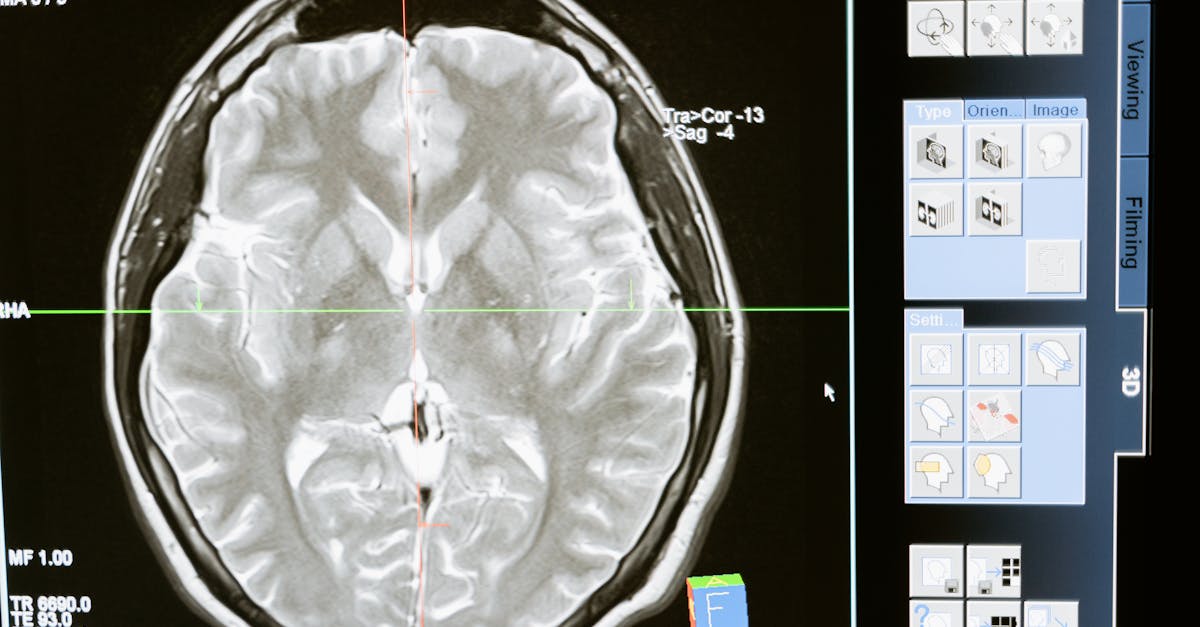
At the heart of this odyssey lies a series of crucial tests and examinations that aim to unearth the truth hidden within. Magnetic Resonance Imaging (MRI) serves as one of the fundamental pillars in identifying and characterizing brain tumors. This remarkable technology utilizes magnetic fields and radio waves to create detailed images that unravel the secrets concealed deep within neural tissue.
The journey towards diagnosis often requires additional reinforcements in the form of Computed Tomography (CT) scans. By capturing cross-sectional images, CT scans provide valuable insights into the size, location, and composition of brain tumors. These diagnostic tools work harmoniously to guide physicians on their quest for clarity.

Navigating the Medical Maze: From Tests to Results
When faced with the possibility of a brain tumor, patients start on a daunting journey through the intricacies of medical tests and diagnostic procedures. This labyrinthine process aims to unravel the enigma within, providing clarity and guiding healthcare professionals toward an accurate diagnosis. Through a series of meticulous examinations, both non-invasive and invasive, doctors meticulously navigate this medical maze to bring forth meaningful results.
The Initial Encounter: Neural Examination
In this pivotal stage, skilled physicians employ their expertise to conduct a comprehensive nervous system-related examination. With precision and finesse, they assess crucial elements such as reflexes, muscle strength, coordination, and sensory function. By meticulously examining these intricate facets of neural activity, doctors can glean valuable insights into any potential abnormalities that may arise due to an underlying brain tumor.
Peering Inside: Imaging Techniques
Advancements in medical imaging have revolutionized the diagnostic landscape for brain tumors. Magnetic Resonance Imaging (MRI), with its unparalleled ability to capture high-resolution cross-sectional images of the brain's intricate architecture, serves as an invaluable tool in this arduous journey. Through a combination of powerful magnets and radio waves, MRI produces detailed images that provide crucial information about the size, location, and characteristics of suspected tumors.
A Closer Look: Biopsies and Molecular Testing
In some cases where imaging alone is insufficient for definitive diagnosis or when surgical intervention is planned for tumor removal or debulking purposes, biopsies become essential. During this procedure, skilled surgeons extract a small sample of tissue from the suspicious area for further analysis under a microscope. Additionally, molecular testing can be performed on these samples to identify specific genetic mutations which could guide treatment decisions based on targeted therapies.
As patients navigate the intricate web of medical tests, they can find solace in the fact that modern medicine has equipped healthcare professionals with an impressive arsenal of diagnostic tools. With each test and procedure, they inch closer to unraveling the mysteries hidden within the depths of their nervous system. This journey, although labyrinthine, represents a ray of hope when it comes to early detection and successful treatment strategies for brain tumors.
A Ray of Hope: Treatment Approaches
When faced with the daunting diagnosis of a brain tumor, the path ahead may seem treacherous. However, within the realm of modern medicine lies a ray of hope, as numerous treatment approaches have emerged to combat this formidable adversary. From surgery to radiation therapy and innovative therapies, the arsenal against brain tumors continues to expand, offering patients and their loved ones a glimmer of optimism in the face of adversity.
Triumphs in Science: Innovative Therapies
Beyond traditional treatment modalities lies the realm of innovative therapies, where cutting-edge advancements offer renewed hope to those affected by brain tumors. Immunotherapy, targeted therapy, and gene therapy are among the promising avenues being explored to combat this complex disease.
Immunotherapy strives to enhance the body's immune system response against cancer cells while sparing healthy tissues. By unleashing the power of a patient's own immune system, immunotherapy holds promise in revolutionizing brain tumor treatment.
Targeted therapies utilize medications or therapeutic agents that specifically attack cancer cells based on their unique molecular characteristics. These therapies aim to interrupt specific pathways involved in tumor growth while minimizing damage to normal cells. Through targeted approaches, researchers are making strides in enhancing treatment efficacy and reducing side effects.
In addition to immunotherapy and targeted therapy, gene therapy offers a novel approach by modifying genetic material within cells to inhibit tumor growth or induce cell death. Although still under investigation, some early successes have ignited hope for this field's potential.
In conclusion, despite the challenges posed by brain tumors, treatment approaches continue to evolve with remarkable progress being made every day. From refined surgical techniques to precise radiation delivery systems and groundbreaking innovative therapies; patients now possess an array of effective weapons against this formidable foe. With ongoing research fueling discoveries and advancements in clinical practice, the future holds the promise of improved outcomes, enhanced quality of life, and ultimately, a world free from the grip of brain tumors.

Shedding Light on Surgery: Removing the Invader
When it comes to tackling brain tumors head-on, surgery stands as a stalwart defender. In this critical battle between skilled surgeons and the invasive intruder, precision is paramount. The surgical approach varies depending on factors such as tumor size, location, and type. The primary objective is to remove as much of the tumor as possible while minimizing damage to surrounding healthy brain tissue.
The surgical procedure typically involves making an incision in the scalp and creating an opening in the skull known as a craniotomy. This allows direct access to the brain, enabling neurosurgeons to meticulously navigate through delicate structures and confront the tumor with unwavering determination. Advanced imaging techniques like intraoperative MRI or computer-guided navigation systems assist in enhancing accuracy and reducing potential risks.
While surgery can be a daunting prospect for patients and their loved ones, it harbors immense hope. The removal of a brain tumor through surgery not only aims to alleviate debilitating symptoms but can also play a crucial role in improving long-term prognosis. With each successful operation, patients take strides toward reclaiming their lives from the clutches of this interloper, setting their sights on brighter days ahead.
Harnessing the Power of Radiation: Targeting the Abnormal
Within the realm of brain tumor treatments, radiation therapy emerges as a formidable ally, fiercely combatting the abnormal growth within the delicate confines of the cranial vault. This technique employs high-energy beams that penetrate deep into the brain, effectively targeting and eradicating cancerous cells while minimizing damage to surrounding healthy tissue.
As medical science advances, radiation therapy has become increasingly precise and refined. One such cutting-edge approach is stereotactic radiosurgery, a non-invasive procedure that delivers highly concentrated doses of radiation with pinpoint accuracy. By utilizing advanced imaging techniques and sophisticated computer algorithms, medical professionals can precisely define tumor boundaries and adjust treatment plans accordingly. This innovative method maximizes tumor destruction while sparing adjacent structures, providing hope for patients who may not be suitable candidates for conventional surgery.
While radiation therapy has proven to be an invaluable weapon in fighting brain tumors, its benefits extend beyond mere destruction. Research has shown that it can also stimulate an immune response against cancer cells, bolstering the body's natural defenses in this uphill battle. Additionally, emerging studies explore combination therapies that integrate immunotherapy with radiation treatment to further enhance therapeutic outcomes.

Triumphs in Science: Innovative Therapies
As technology continues to advance by leaps and bounds, the realm of medical science has witnessed remarkable breakthroughs in the treatment of brain tumors. These innovative therapies provide a glimmer of hope for patients and their loved ones, offering new avenues for combating these formidable adversaries.
Immunotherapy: One groundbreaking approach that has garnered significant attention is immunotherapy. This cutting-edge technique harnesses the power of the immune system to target and destroy cancer cells. By activating the body's natural defenses, immunotherapy has shown promising results in shrinking brain tumors and extending patient survival rates. With ongoing research, scientists strive to unravel the intricacies of this treatment modality and unlock its full potential.
Nanotechnology: The world of nanotechnology has also paved the way for exciting advancements in brain tumor treatment. Through the use of tiny particles called nanoparticles, researchers have developed targeted drug delivery systems. These microscopic vehicles can transport therapeutic agents directly to tumor sites while minimizing harm to healthy surrounding tissue. This precision-based approach shows immense promise in enhancing treatment efficacy and reducing side effects, offering a renewed sense of optimism for patients battling brain tumors.
Gene Therapy: Another groundbreaking avenue that holds tremendous potential is gene therapy. By manipulating genes within cancer cells, scientists aim to disturb tumor growth pathways or trigger self-destruction mechanisms. Although still in its early stages, gene therapy presents an innovative strategy for combatting brain tumors at their core genetic level. The ongoing strides made in this field inspire hope that one-day gene therapy may become a transformative approach in eradicating these formidable intruders.

Homeopathic remedies for treating brain tumors.
As the field of medicine evolves, alternative treatment methods are gaining recognition and playing a significant role in aiding patients with brain tumors. Homeopathy, a holistic approach to healing, offers a range of remedies that aim to stimulate the body's natural defenses and promote overall well-being. While it is essential to consult with a qualified healthcare professional before embarking on any alternative therapy, exploring homeopathic remedies can provide hope and support alongside conventional treatment.
The Gentle Healers: Arnica Montana and Belladonna
Arnica Montana, derived from the vibrant yellow flowers of the arnica plant, has long been recognized for its potential in reducing inflammation and alleviate pain. This homeopathic remedy holds promise in managing post-operative discomfort associated with brain tumor surgery. Similarly, Belladonna, extracted from the deadly nightshade plant, may aid in relieving acute headaches caused by increased intracranial pressure. These remedies offer natural support while complementing traditional medical interventions.
Mind-Body Harmony: Silicea and Natrum Sulphuricum
Silicea, also known as silica or quartz crystal extract, focuses on promoting mental clarity and assisting in cellular rejuvenation. This homeopathic remedy may aid individuals in coping with cognitive impairment resulting from brain tumors. In parallel, Natrum Sulphuricum has shown promise in addressing emotional disturbances such as depression or anxiety that often accompany serious illnesses. By restoring balance within both mind and body systems, these remedies bring hope that one can regain a sense of well-being amidst adversity.
Conclusion
In conclusion, while brain tumors may pose significant challenges, there is reason to remain hopeful. With advancements in medical science and technology, the landscape of diagnosis and treatment continues to evolve. Researchers are tirelessly working towards innovative therapies that hold the promise of improved outcomes and enhanced quality of life for patients. Furthermore, the power of hope and resilience should never be underestimated – the human spirit has a remarkable ability to overcome adversity. As we move forward in our quest to conquer brain tumors, let us hold steadfast to optimism, knowing that with continued dedication and perseverance, brighter days lie ahead.