
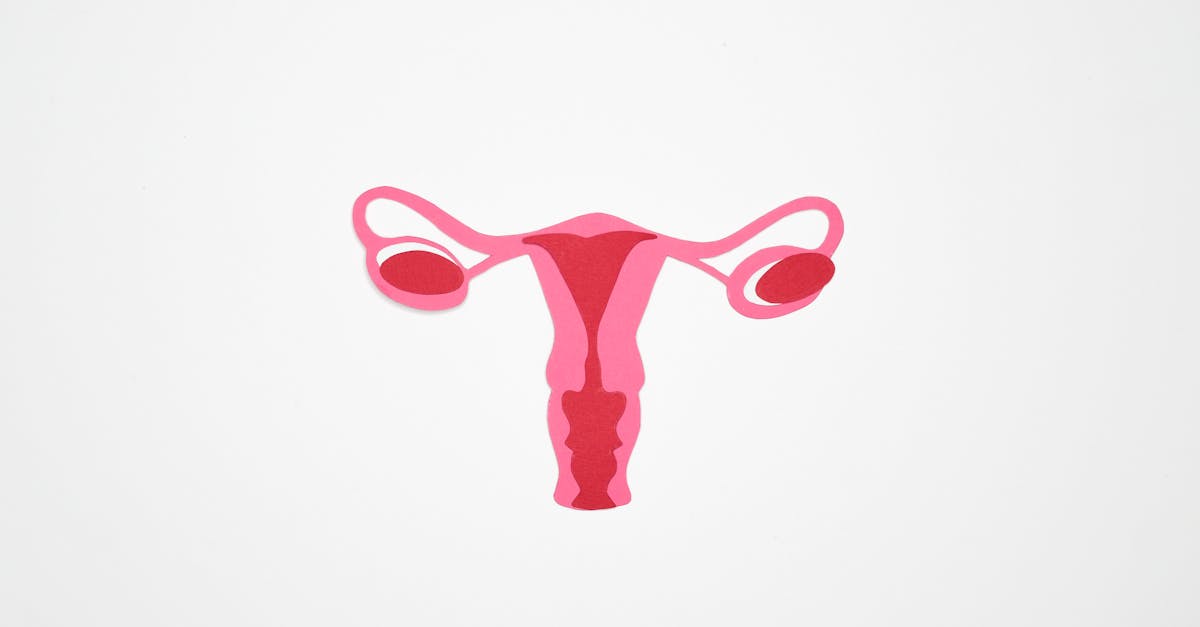
How to Manage Polycystic Ovary Syndrome
Polycystic ovary syndrome (PCOS) is a hormonal disorder that affects millions of women worldwide. It is a complex condition that can cause a range of symptoms, from irregular periods and acne to infertility and weight gain. Despite its prevalence, many people remain unaware of the condition or do not fully understand its impact on their lives.
If you are living with PCOS or suspect you may have it, this article will provide you with essential information about managing the condition. From understanding the symptoms to adopting healthy lifestyle habits and exploring medical management options, we will cover everything you need to know to take control of your health. Whether you are looking for practical tips on coping with PCOS or seeking support and community, we promise to offer valuable insights that will help you manage your symptoms and improve your well-being.
What is Polycystic Ovary Syndrome?
Polycystic ovary syndrome (PCOS) is a common hormonal disorder that affects women. It is estimated that 1 in 10 women of reproductive age have PCOS. The condition occurs when the ovaries produce excessive amounts of male hormones, causing difficulties with ovulation and irregular menstrual cycles. Women with PCOS may also develop small cysts on their ovaries, which can contribute to fertility problems. The exact cause of PCOS is not yet fully understood, but it is thought to be influenced by genetic and environmental factors. Symptoms may vary from one woman to another, making it challenging to diagnose without proper medical assessment. However, some of the common symptoms associated with PCOS include irregular or absent periods, excess hair growth on the face or body, acne, weight gain or difficulty losing weight, and thinning hair. The impact of PCOS extends beyond physical symptoms; it can lead to emotional distress as well. Many women living with this condition often feel frustrated and isolated because they do not understand what's happening within their bodies. Fortunately, there are ways to manage PCOS effectively with proper diagnosis and treatment. It starts by seeking advice from a doctor who specializes in endocrinology or gynecology for an accurate diagnosis. In conclusion, Polycystic ovary syndrome (PCOS) is a hormonal disorder that affects many women worldwide. Although the causes remain unclear entirely, early diagnosis coupled with appropriate treatment and lifestyle changes can help manage symptoms effectively. If you experience any signs or symptoms related to PCOS, seek advice from your healthcare provider for proper diagnosis and guidance on managing your condition responsibly.
Understanding the Symptoms of Polycystic Ovary Syndrome
Polycystic Ovary Syndrome, or PCOS, is a hormonal disorder affecting women of reproductive age. It is characterized by high levels of androgens (male hormones) in the body, leading to the development of cysts in the ovaries. PCOS is a complex condition, and its symptoms can vary widely among individuals.
Common Symptoms
The most common symptom of PCOS is an irregular menstrual cycle. This can manifest in various ways, such as infrequent periods, heavy bleeding, or prolonged periods lasting for more than seven days. Another common symptom is hirsutism or excessive hair growth on the face, chest, and back regions. Women with PCOS may also experience acne and oily skin.
In addition to these physical symptoms, PCOS can also affect women's emotional health. The hormonal imbalances associated with this condition can cause mood swings, anxiety, and depression.
Lesser-Known Symptoms
Many women with Polycystic Ovary Syndrome experience less well-known symptoms that are often overlooked by healthcare professionals. These include fatigue, sleep disturbances, and weight gain despite strict dietary control. Insulin resistance is another complication associated with this condition that increases one's risk of developing type 2 diabetes mellitus.
Symptoms Diagnosis
The diagnosis of PCOS usually involves a combination of medical history recording and laboratory tests such as blood tests to measure hormone levels in your body. Doctors will perform an ultrasound scan to visually evaluate your ovaries for cyst formation. A diagnosis relies on the presence of two out of three diagnostic criteria: irregular menstrual cycles (oligo-ovulation), signs of elevated male hormones (hyperandrogenism), or polycystic appearing ovaries on an ultrasound exam.
It is important to note that not all women with PCOS have cysts on their ovaries, and some women without PCOS may have ovarian cysts. Therefore, the diagnosis should be made by a qualified healthcare professional after a thorough evaluation of the patient's medical history and laboratory results.
PCOS symptoms can vary widely among individuals, making it a challenging condition to diagnose. Many women experience emotional and physical symptoms that affect their quality of life. Seeking professional help for symptom management and support from loved ones can make dealing with this condition easier.

Living with Polycystic Ovary Syndrome
Understanding the Symptoms of Polycystic Ovary Syndrome
Polycystic Ovary Syndrome (PCOS) is a hormonal disorder that affects many women. The symptoms can be frustrating and often contribute to a lower quality of life. Some common symptoms include irregular periods, weight gain, and acne. Other symptoms include excessive hair growth, hair loss, and mood swings. Understanding the different symptoms of PCOS can help you manage your condition more effectively.
It can be especially challenging to deal with the side effects of excessive hair growth or hair loss that often accompany PCOS. These side effects can affect self-confidence and self-esteem. However, it is important to remember that there are ways to manage these symptoms effectively so that they do not interfere with your daily life.
Adopting a Healthy Lifestyle: Diet and Exercise
One of the most effective ways to manage PCOS is by adopting a healthy lifestyle that includes regular exercise and a balanced diet. This may involve losing weight if you are overweight or obese as this can significantly reduce many of the negative effects associated with PCOS such as insulin resistance.
Eating healthy foods such as fruits, vegetables, whole grains, and lean protein sources like poultry or fish along with healthy fats like olive oil can help control insulin levels in women who have PCOS. In addition, regular exercise helps maintain a healthy weight while also reducing stress levels which can exacerbate the symptoms of PCOS.
The Importance of Self-Care
Self-care practices are essential for managing PCOS as it affects your physical and emotional well-being. Taking care of yourself means getting enough restful sleep every night so your body has enough energy during the day. It also means taking time to relax and do things that make you happy, such as hobbies or spending time with friends and family.
In addition, self-care involves managing stress levels effectively. High-stress levels can affect your PCOS symptoms and make them worse. Some helpful techniques include deep breathing exercises, yoga or meditation, and counseling if needed.
Medical Management
Medical management of PCOS is essential for women who are struggling with this condition. Treatments may involve hormonal therapy to regulate menstrual cycles and reduce hair growth or hair loss. These therapies can help control the side effects of PCOS so that you can feel more comfortable in your own skin.
If you are struggling with infertility due to PCOS, fertility treatments may be recommended by your doctor to increase the chances of getting pregnant. Some treatments include ovulation induction medications such as Clomid or injectable gonadotropins that stimulate the ovaries to produce eggs.
Living with Polycystic Ovary Syndrome (PCOS) may be challenging but it is manageable if one understands the symptoms, and adopts a healthy lifestyle through diet & exercise while incorporating self-care practices. Medical management should not be overlooked if necessary.

Adopting a Healthy Lifestyle: Diet and Exercise
Polycystic ovary syndrome (PCOS) is often associated with insulin resistance, which can lead to weight gain and difficulty losing weight. Adopting a healthy diet and exercise routine can help manage insulin resistance and improve overall health for those with PCOS.
Diet
Aim for a balanced diet that includes whole grains, lean proteins, fruits, vegetables, and healthy fats. Avoid processed foods and foods high in sugar or saturated fat. Eating frequent small meals throughout the day can also help regulate blood sugar levels.
Adding Fiber
Fiber helps regulate digestion and can also aid in weight loss by promoting feelings of fullness. Incorporate fiber-rich foods such as fruits, vegetables, legumes, nuts, seeds, and whole grains into your diet.
The Importance of Protein
Protein helps build muscle mass, which is important for maintaining a healthy weight. Choose lean protein sources such as chicken breast, fish, tofu, or tempeh rather than processed meats or high-fat options like red meat.
Exercise
Regular physical activity is essential for managing PCOS symptoms. Exercise can help improve insulin sensitivity and aid in weight loss. Aim for at least 150 minutes of moderate aerobic activity per week.
Aerobic Exercise
Activities such as brisk walking, cycling, or swimming are great options for cardiovascular exercise.
Strength Training
Incorporating strength training exercises using free weights or resistance bands can help build muscle mass while burning calories. Adopting a healthy lifestyle through diet and exercise not only improves physical health but also mental well-being. Small changes to daily routines can have significant impacts on managing PCOS symptoms long-term. Finding enjoyment in physical activities makes the commitment less daunting as well.
The Importance of Self-Care
Polycystic Ovary Syndrome (PCOS) affects millions of women worldwide and can have a significant impact on their physical and emotional well-being. One of the most important things that women with PCOS can do to manage their symptoms is to prioritize self-care.
Eating Well
Eating a healthy, balanced diet is crucial for women with PCOS. A diet that is low in processed foods, sugar, and unhealthy fats can help to reduce inflammation in the body and improve insulin sensitivity. Eating plenty of fruits, vegetables, lean proteins, and whole grains can also help to regulate hormone levels and support overall health.
Stress eating is a common issue experienced by individuals who are under stress, anxiety or emotional turmoil. This kind of eating leads us towards unhealthy food choices like junk food or heavy calorie intake which further deteriorates our health. Thus it becomes increasingly important to take care of our mental health as well before attempting any change in our diet.
Moving More
Regular exercise has been shown to be beneficial for managing PCOS symptoms. Exercise increases insulin sensitivity, which can help to regulate hormone levels and reduce inflammation. It also promotes weight loss and improves cardiovascular health.
There are many ways to incorporate more physical activity into your day – take a walk during your lunch break, try a new fitness class or workout video at home, or go for a hike on the weekends. Consistency is key – aim for at least 30 minutes of moderate exercise most days of the week.

Caring for Your Mental Health
Mental health plays an equally important role in managing PCOS symptoms as physical health does. Depression, anxiety, or other mental disturbances related to stress worsen hormonal imbalance which aggravates PCOS symptoms. Thus it is important to take into account our mental health and manage stress. Relaxation techniques like yoga, meditation, or deep breathing exercises can help to reduce stress levels and promote a sense of calm.
It is also important to prioritize activities that bring you joy and fulfillment. Whether it’s spending time with loved ones, engaging in a creative hobby, or simply taking a few moments each day to enjoy a cup of tea, self-care isn’t just about checking items off a to-do list – it’s about actively seeking out experiences that nourish your mind, body, and soul.
Getting Enough Sleep
Sleep disturbances are common among women with PCOS due to hormonal imbalances and other factors. However, getting enough sleep is crucial for overall health and well-being. Lack of sleep leads to increased insulin resistance which further worsens hormonal imbalance or inflammation. Prioritizing good sleep hygiene can help reduce symptoms such as fatigue, brain fog, or mood disorders
Aim for 7-8 hours of uninterrupted sleep each night by creating a relaxing bedtime routine, avoiding screens before bedtime (phone or laptop screens), keeping the bedroom cool and dark, and minimizing noise levels in the sleeping environment.
By prioritizing self-care through healthy eating habits, effective stress management exercises, maintaining physical activity routine, taking care of our mental health, and making sure we get enough sleep we can manage our PCOS symptoms effectively as well as improve overall well-being.
Stress Management Techniques
Polycystic Ovary Syndrome can be a source of ongoing stress and anxiety for many women. Chronic stress has been linked to numerous health problems, including fertility issues. Therefore, it is essential to manage stress levels to improve overall health and well-being. Here are some techniques that can help:
Meditation and Mindfulness
Meditation and mindfulness are powerful ways to reduce stress levels. Meditation involves quieting the mind by focusing on your breath or a mantra, while mindfulness is about staying present at the moment without judgment. Both techniques can help you tune out external stimuli and focus on inner peace.
Practicing meditation or mindfulness regularly can lower cortisol (the hormone responsible for the body's fight-or-flight response) levels, decrease anxiety and depression symptoms, improve sleep quality, boost immune function, and increase brain grey matter.

Exercise
Regular exercise is an effective way to reduce stress levels naturally. Exercise releases endorphins (feel-good hormones) that promote positive moods, improve sleep quality, lowers cortisol secretion, boost self-esteem, increase energy levels, and reduce muscle tension.
Exercising also helps regulate insulin resistance (a common issue among women with PCOS) by improving glucose uptake in muscle cells. Some excellent exercise options include weight lifting - which helps build lean muscle mass -, cardio activities like running or cycling - which raise heart rates, and yoga or Pilates - which promote flexibility and relaxation.
Aromatherapy
Aromatherapy involves using essential oils derived from plants to affect mood positively. Essential oils like lavender or chamomile have calming properties that can ease anxiety symptoms significantly.
You can diffuse these oils into the air using a diffuser machine; add them to a hot bath or massage them into the skin diluted with a carrier oil. Aromatherapy can help reduce cortisol levels, promote relaxation, and improve sleep quality.
Acupuncture
Acupuncture is an ancient Chinese technique that involves inserting thin needles into various points of the body. Acupuncture helps regulate the nervous system by promoting blood flow and stimulating specific nerves in charge of producing "feel-good" hormones like endorphins and serotonin.
Studies have shown that acupuncture can significantly reduce anxiety symptoms, lower cortisol levels, improve sleep quality and relieve pain associated with PCOS.
Medical Management
Polycystic Ovary Syndrome (PCOS) can be a complex condition that requires medical management. Your doctor may recommend different medications depending on your symptoms and overall health. Medications can help to regulate menstrual cycles, reduce acne and excessive hair growth, manage weight gain, and improve fertility.
Oral Contraceptives
Oral contraceptives are commonly prescribed for women with PCOS to regulate menstrual cycles and reduce the risk of endometrial cancer. They contain estrogen and progesterone hormones that help to balance hormone levels. Women who don't want to get pregnant can also use birth control pills. While taking oral contraceptives, women may notice improvements in their skin, hair growth, and weight management. However, some women may experience side effects such as headaches or mood changes.
Metformin
Metformin is a medication used for type 2 diabetes; however, it's also prescribed for PCOS because it reduces insulin resistance in the body. Insulin resistance can lead to high blood sugar levels and weight gain. Women with PCOS who take Metformin may notice improvements in their menstrual cycles, less facial hair growth, and better weight management. However, some women may experience nausea or diarrhea while taking this medication.
Letrozole (Femara)
Letrozole is a medication used as an off-label treatment for infertility associated with PCOS. This medication helps to promote ovulation by blocking estrogen production in the body. Women who take Letrozole may have improved fertility outcomes compared to other infertility treatments such as Clomid. However, this medication should only be taken under the guidance of a fertility specialist due to potential side effects such as hot flashes or headaches.
Surgery
In rare cases where medical management doesn't work, surgery may be recommended. Ovarian drilling is a surgical procedure where a small needle or laser is used to make holes in the ovaries. This helps to reduce the production of androgens and can lead to improved fertility outcomes. While this procedure may help some women with PCOS become pregnant, it carries some risks such as infection or damage to nearby organs. Therefore, it's important to discuss all options with your doctor before deciding on surgery. Overall, medical management for PCOS can be effective in reducing symptoms and improving quality of life. It's important to work closely with your doctor to find the right treatment plan for you.

Medications and Supplements for Polycystic Ovary Syndrome
Polycystic ovary syndrome (PCOS) is a condition that affects women of reproductive age, characterized by hormonal imbalance, insulin resistance, and irregular menstrual cycles. Medications and supplements can be used to manage PCOS symptoms and improve overall health. It is essential to consult with a physician before taking any medication or supplement to ensure proper dosage and safety.
Metformin
Metformin is a medication commonly prescribed for those with diabetes; it's also used as an off-label treatment for PCOS because it helps regulate insulin levels in the body. This medication improves insulin sensitivity, reducing the risk of type 2 diabetes development and promoting weight loss. Metformin can help restore regular periods by lowering testosterone levels in the body. It is important to note that common side effects include stomach upset, nausea, vomiting, or diarrhea.
Birth Control Pills
Birth control pills are commonly prescribed to regulate menstrual cycles in those with PCOS; they provide synthetic hormones that help control blood testosterone levels and estrogen production. Birth control pills may also prevent endometrial cancer risk since they trigger bleeding regularly. It is important to speak with your healthcare provider about which birth control pill formulation suits your needs best since some may cause side effects like headaches or migraines.
Inositol Supplements
Inositol supplements are naturally occurring substances found in various foods such as fruits, nuts, beans, and grains. Inositol has been shown to improve insulin sensitivity in those with PCOS when taken regularly over time; this supplement helps reduce inflammation responsible for many of the symptoms associated with PCOS such as acne breakouts or hirsutism (unwanted hair growth). It's important to talk with your healthcare provider before beginning an inositol supplement as it can interact with other medications you may be taking.
Vitamin D Supplements
Vitamin D is essential for bone health, and research has shown that those with PCOS are more likely to have low vitamin D levels. Supplementing with vitamin D can help reduce inflammation and improve insulin sensitivity, reducing the risks of developing diabetes. It's important to consult with a healthcare provider before starting any supplementation regimen; excess vitamin D can lead to hypercalcemia (too much calcium in the blood), which can cause kidney damage or other health problems if left untreated.
Overall, medication and supplement options for managing PCOS symptoms are varied but require careful consideration before use. Research suggests that proper management of this condition improves fertility outcomes, reduces cancer risk, and improves the overall quality of life.
Alternative Therapies for Polycystic Ovary Syndrome
Polycystic Ovary Syndrome (PCOS) is a condition that affects many women worldwide. While there are conventional medical treatments available, some people prefer to try alternative therapies to manage their symptoms. Here are some alternative therapies that may be helpful in managing PCOS:
Acupuncture
Acupuncture is an ancient Chinese medicine practice that involves inserting thin needles into specific points on the body. Acupuncture has been shown to help regulate menstrual cycles and reduce insulin resistance associated with PCOS. It may also help reduce stress and anxiety, which can exacerbate PCOS symptoms.
Herbal Supplements
Certain herbs and supplements may be beneficial for managing PCOS symptoms. For example, saw palmetto is known to help regulate hormone levels, while chaste berry can aid in regulating menstruation. However, it's important to consult with a healthcare provider before taking any herbal supplements as they may have unwanted side effects or interact with other medications.
Meditation and Yoga
Stress can worsen PCOS symptoms such as acne and hair growth, so practicing relaxation techniques like meditation or yoga may offer relief. Studies show that practicing yoga regularly can improve insulin resistance and weight loss in women with PCOS.
Aromatherapy
Aromatherapy involves using essential oils derived from plants for therapeutic purposes. Some essential oils have been shown to improve mood and reduce stress levels, which can be helpful for managing symptoms of depression associated with PCOS. Additionally, certain oils like lavender can promote restful sleep which could help alleviate fatigue often experienced by people with PCOS. While alternative therapies like acupuncture or aromatherapy do not cure PCOS, they may provide relief from some of the uncomfortable symptoms it causes. If you're considering trying any alternative therapy, it's important to consult with a healthcare provider to ensure that the treatment is safe for you and won't interfere with any other medications you're taking.
Polycystic Ovary Syndrome Homeopathic Remedies
Polycystic Ovary Syndrome (PCOS) is a complex hormonal disorder that affects many women worldwide. While there are conventional medical treatments available for PCOS, some women prefer to turn to natural remedies such as homeopathy. Homeopathy is a holistic approach to healing that seeks to stimulate the body's natural healing powers.
The Benefits of Homeopathic Remedies for PCOS
Homeopathic remedies may help alleviate some of the symptoms associated with PCOS, such as irregular periods, acne, and excess hair growth. These remedies work by restoring balance to the body's hormonal system and addressing underlying imbalances that contribute to the development of PCOS.
In contrast to conventional medications, homeopathic remedies are safe and free from side effects when used appropriately. They can be used alongside other therapies without interference or causing an adverse reaction.
Common Homeopathic Remedies for PCOS
Some commonly used homeopathic remedies for PCOS include:
- Pulsatilla: This remedy is often prescribed when there is a lack of menstrual period or if periods occur frequently but with little flow. It can also be helpful in cases where there is infertility due to a lack of ovulation.
- Natrum muriaticum: This remedy may be useful when there is irregular menstrual flow or absent periods due to hormonal imbalances. It may also help address depression or emotional issues related to PCOS.
- Lycopodium: This remedy can be helpful for women who experience hair loss and acne due to elevated levels of male hormones called androgens.
- Sepia: This remedy may be useful in cases where there is a heavy menstrual flow, along with other symptoms such as mood swings, fatigue, and low libido.
Consulting with a Homeopathic Practitioner
It is crucial to consult with an experienced homeopathic practitioner to determine the most effective remedy for your individual case. A homeopath will consider your specific symptoms and overall health when selecting a remedy. They may also suggest dietary and lifestyle changes that can support your overall health and well-being.
While homeopathic remedies can be helpful in managing PCOS symptoms, they are not meant to replace conventional medical treatments. It is essential to continue working with your healthcare provider to manage PCOS effectively.
Fertility and Pregnancy
Fertility Challenges and Solutions for Polycystic Ovary Syndrome
Polycystic ovary syndrome (PCOS) can make it more difficult to conceive due to hormonal imbalances that can lead to irregular menstrual cycles, anovulation, and problems with the development of follicles. Fortunately, there are several options available for women who want to improve their chances of conceiving.
Fertility medications such as clomiphene citrate or letrozole are often used to stimulate ovulation in women with PCOS. In some cases, injectable gonadotropins may be recommended. Also, assisted reproductive technologies (ART) such as in vitro fertilization (IVF), intrauterine insemination (IUI), or intracytoplasmic sperm injection (ICSI) can be effective options.
Lifestyle changes can also help improve fertility in women with PCOS. Losing weight through diet and exercise has been shown to increase ovulation rates in overweight or obese women with PCOS. Additionally, managing stress levels through relaxation techniques such as yoga or meditation may also help improve fertility.
It is essential to work closely with a healthcare provider on a treatment plan that fits your individual needs when attempting to conceive while living with PCOS.
Managing Polycystic Ovary Syndrome during Pregnancy
Pregnancy can pose unique challenges for women with PCOS as they have an increased risk of developing gestational diabetes and preeclampsia. However, there are steps that pregnant women with PCOS can take to promote a healthy pregnancy.
Monitoring blood sugar levels regularly throughout pregnancy is crucial for preventing gestational diabetes. Eating a balanced diet rich in whole grains, fruits, vegetables, lean protein sources like fish and poultry, and healthy fats while avoiding processed foods and sugary drinks can also help prevent gestational diabetes.
Additionally, staying active during pregnancy can help manage weight gain and reduce the risk of developing gestational diabetes. Low-impact exercises such as walking, prenatal yoga, or swimming are often recommended by healthcare providers for pregnant women with PCOS.
It is essential to work closely with a healthcare provider throughout pregnancy to monitor any potential complications associated with PCOS.

Fertility Challenges and Solutions for Polycystic Ovary Syndrome
Understanding the Fertility Challenges of PCOS
Polycystic ovary syndrome (PCOS) is a common endocrine disorder that affects women in their reproductive years. One of the primary symptoms of PCOS is anovulation, which refers to the inability to ovulate regularly. Anovulation can significantly impact fertility, making it difficult for women with PCOS to get pregnant.
Women with PCOS may experience irregular menstrual cycles or may not menstruate at all. Additionally, they may have difficulty predicting ovulation due to fluctuations in hormone levels. This can make timing intercourse more challenging and reduce the chances of conception.
It's important for women with PCOS who are trying to conceive to work closely with their healthcare provider to understand their individual fertility challenges and develop a personalized treatment plan.
Treatment Options for Infertility related to PCOS
There are several treatment options available for women with infertility related to PCOS:
- Ovulation induction medications: These medications stimulate ovulation and regulate menstrual cycles. Common choices include letrozole, clomiphene citrate, and gonadotropins.
- Intrauterine insemination (IUI): This involves injecting sperm directly into the uterus during ovulation.
- In vitro fertilization (IVF): IVF involves fertilizing eggs outside the body in a laboratory and transferring embryos back into the uterus.
- Bariatric surgery: Bariatric surgery has been shown to improve fertility outcomes in obese women with PCOS by reducing insulin resistance and improving hormonal imbalances associated with obesity.
Managing PCOS during Pregnancy
Women with PCOS who become pregnant may face additional challenges during pregnancy, including an increased risk of gestational diabetes, pre-eclampsia, and miscarriage.
It's essential for women with PCOS to work closely with their healthcare provider during pregnancy to manage these risks effectively. This may involve close monitoring of blood sugar levels and blood pressure, as well as regular ultrasounds to monitor fetal growth and development.
Balancing Fertility Goals with Overall Health
While fertility is a significant concern for women with PCOS, it's essential to prioritize overall health and well-being. Maintaining a healthy weight through diet and exercise can improve fertility outcomes while also reducing the risk of complications associated with PCOS.
In addition, self-care activities such as stress management techniques, adequate sleep, and mindfulness practices can help reduce the impact of stress on the body. These practices can also promote overall mental health and well-being.
By prioritizing both fertility goals and overall health needs, women with PCOS can take control of their reproductive health while also promoting long-term wellness.
Managing Polycystic Ovary Syndrome during Pregnancy
Polycystic ovary syndrome can present a unique set of challenges for women who are pregnant or trying to conceive. Due to hormonal imbalances and other factors, women with PCOS may be at higher risk of certain complications during pregnancy. However, with careful management and support from healthcare providers, women with PCOS can have healthy pregnancies and healthy babies.
Fertility Challenges and Solutions for Polycystic Ovary Syndrome
One of the biggest challenges for women with PCOS who are attempting to conceive is infertility. Fortunately, there are several treatment options available to help increase the chances of pregnancy. Medications such as clomiphene citrate or letrozole can help induce ovulation in some women with PCOS. In more severe cases, assisted reproductive technologies like in vitro fertilization (IVF) may be necessary.
In addition to medical interventions, lifestyle changes can also play an important role in managing fertility with PCOS. Maintaining a healthy weight through diet and exercise has been shown to improve fertility outcomes in women with PCOS.
Managing Polycystic Ovary Syndrome during Pregnancy
Women with PCOS may require additional monitoring throughout their pregnancies due to the increased risk of certain complications such as gestational diabetes, preeclampsia, and preterm labor. It is important for these women to work closely with their healthcare providers to manage these risks and ensure the health of both mother and baby.
Dietary changes may also be necessary during pregnancy for women with PCOS who develop gestational diabetes. A balanced diet rich in whole foods can help regulate blood sugar levels and prevent complications.
The Importance of Self-Care
Pregnancy can be a stressful time, and self-care is especially important for women with PCOS. Getting enough rest, practicing stress management techniques, and maintaining a healthy lifestyle can help reduce the risk of complications and improve overall well-being.
Additionally, it is important for women with PCOS to prioritize their mental health during pregnancy. Depression and anxiety are common among women with PCOS, and hormonal changes during pregnancy can exacerbate these symptoms. Seeking support from friends, family, or a mental health professional can help manage these challenges.
Support and Community
Connecting with other women who have experienced similar challenges can be invaluable for those managing PCOS during pregnancy. Support groups provide a safe space to share experiences and seek advice from others who understand what it's like to navigate pregnancy with this condition.
Online communities such as forums or social media groups can also be helpful resources for finding support and information about managing PCOS during pregnancy.
In conclusion, women with PCOS who are pregnant or trying to conceive may face unique challenges but with proper management through medical interventions like clomiphene citrate or letrozole along with dietary changes, exercise routine & lifestyle modifications, consistent monitoring by healthcare providers that includes regular checkups & prenatal care can ensure safe & healthy pregnancies.
Support and Community
Living with Polycystic Ovary Syndrome can be quite challenging. Women who experience this condition often face a sense of isolation and loneliness, especially if they lack a support system. Fortunately, there are several ways to find support and community as you navigate your PCOS journey.
The Benefits of Support Groups
Joining a support group is an excellent way to connect with other women who understand the unique challenges of living with PCOS. A support group provides a safe space where you can share your experiences, ask questions, and receive emotional support from others who are walking the same path.
The benefits of joining a PCOS support group are immense. You will feel less alone in your struggles, gain new insights into how others manage their symptoms and treatments, learn about resources available in your community, and develop lifelong friendships with other women who share similar experiences.
Connecting with Others: Finding Your Support System
Finding your support system is an essential step in managing PCOS. There are many ways to connect with others who can offer guidance, emotional support, and practical advice as you navigate this challenging condition.
You may start by reaching out to family members or close friends who can offer encouragement and understanding. Additionally, online forums or social media groups dedicated to PCOS provide an opportunity for connecting with other women experiencing PCOS worldwide.
Paying it forward: Being part of the solution for another woman with PCOS
If you have been managing polycystic ovary syndrome successfully for some time now thanks to the help of supportive people around you then why not pay it forward? Reach out to someone else struggling on their journey through Polycystic ovary syndrome (PCOs) by being kind enough to offer words of encouragement, tips that worked for you or even just being someone with whom they can share their experiences. You may be surprised at how much of a difference your positive support can make in the life of another woman with PCOS.
Living with Polycystic Ovary Syndrome can be quite challenging; however, it is important to remember that you are not alone. By connecting with others who understand what you're going through and by sharing your experiences, you can gain the support and insight needed to manage your condition successfully. Whether through joining a support group or seeking out online forums dedicated to PCOS, finding your support system is an essential step in managing this condition effectively.
Learning from other’s experiences
In addition to emotional support, joining a support group for Polycystic Ovary Syndrome offers opportunities for learning from others’ experiences. In these forums, members may share tips on how they manage their symptoms or even which foods work best for them. Group members can also share personal success stories such as losing weight or becoming pregnant through certain treatments or therapies that may benefit others as well.
Educational benefits of participating in a support group
Many support groups provide educational resources like webinars or guest speakers discussing the latest medical research on PCOS management. This information helps individuals stay up-to-date with new treatments and breakthroughs that could improve their quality of life.
Sense of belonging
The feeling of belonging provides one more reason why joining a Polycystic Ovary Syndrome support group may benefit you significantly. When attending gatherings with a similar experience, it is possible to find individuals who have the same goals and passions as you. These people encourage and motivate us when we are in need of a little guidance, support, or understanding.
In conclusion, finding a support group for PCOS can be an invaluable resource for those seeking emotional and educational support. It connects you with others who share your experience while providing opportunities for learning and growth. In turn, this helps to create a supportive community that can help you manage your condition more effectively.
Connecting with Others: Finding Your Support System
Polycystic ovary syndrome (PCOS) can be overwhelming and isolating. It is important to connect with others who are going through similar experiences. Support groups can provide a safe space to share your feelings and learn from others who have already navigated the challenges of PCOS.
Finding Your Support System
There are many ways to find a PCOS support group that works for you:
- Online forums: There are many online forums where you can connect with other women living with PCOS. However, be sure to do thorough research before joining any online community.
- Social media: You may want to search for Facebook groups or Twitter hashtags dedicated specifically to PCOS.
- In-person groups: You can check local hospitals or community centers for in-person support groups in your area. You may also want to ask your doctor if they know of any local resources.
No matter how you choose to connect with others, remember that you are not alone. There are many women who have successfully navigated the challenges of PCOS and can offer valuable insight and encouragement.
Conclusion
In conclusion, managing Polycystic Ovary Syndrome can be a daunting task, but it is possible. With proper knowledge and understanding of the condition, adopting a healthy lifestyle, self-care practices, stress management techniques, and medical management can all be effective in managing Polycystic Ovary Syndrome symptoms. Furthermore, fertility challenges and pregnancy can also be addressed through various solutions. Support groups and connecting with others can also provide invaluable emotional support throughout this journey. Remember that you are not alone in this journey and with the right support system in place you can live a fulfilling life despite living with Polycystic Ovary Syndrome.
