
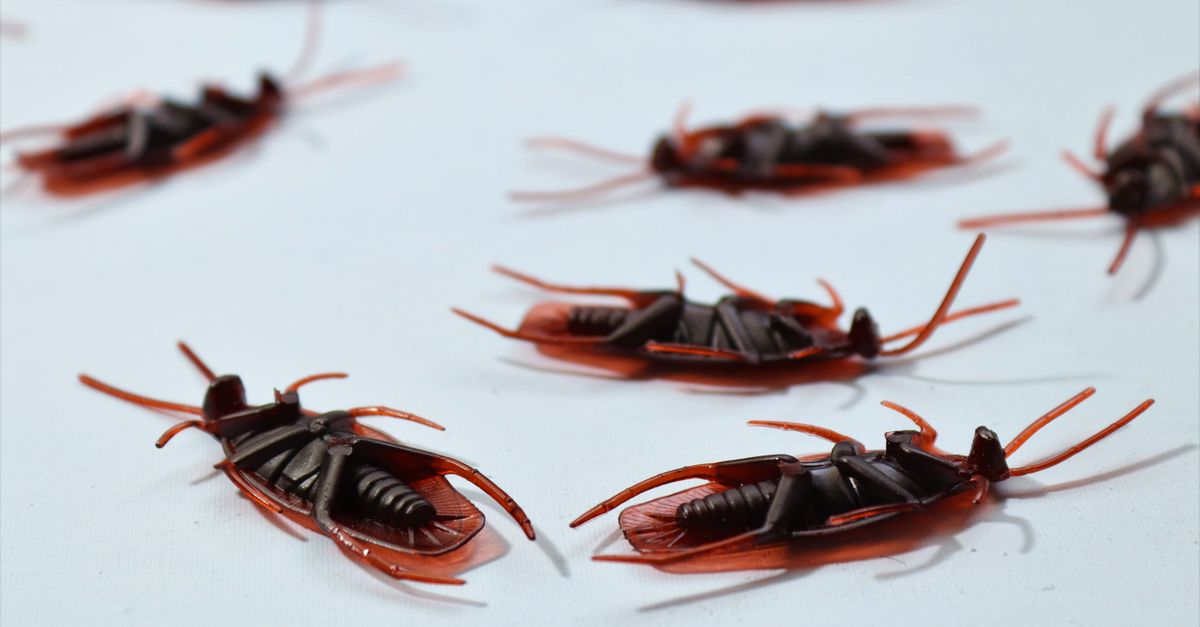
exposure to toxic pesticides in common household products
Hidden dangers lurk in every corner of our homes, and we might be completely unaware of them. One such danger comes from toxic pesticides present in household products. From cleaning products to laundry detergents, these chemicals find their way into our homes and can cause a variety of health problems.
In this article, we will explore the risks of pesticide exposure and identify common household products that can contain them. We'll also discuss natural alternatives to chemical pesticides and provide tips on how to choose safe products for your home. Whether you're a concerned parent or simply looking to create a healthier living environment, this article promises to equip you with the knowledge you need to make informed decisions about what you bring into your home.
Pesticides in Household Products: A Hidden Health Risk
Many homeowners assume that their homes are safe and free from toxins. However, research shows that common household products often contain harmful pesticides and chemicals. These toxins can affect your health in many ways, from causing minor allergies and irritations to more serious long-term health problems.
The Dangers of Pesticide Exposure
Pesticides are chemicals designed to kill insects, rodents, and other pests. Exposure to these toxic substances can cause a range of health problems in humans, including respiratory issues, skin irritation, headaches, nausea, dizziness, and even cancer. Children are especially vulnerable to the harmful effects of pesticides because their developing bodies absorb toxins more easily than adults.
In addition to direct exposure through ingestion or inhalation of household products containing pesticides, people can also be exposed through contaminated air or water sources. Agricultural runoff can contaminate nearby water sources with dangerous levels of pesticides. This could lead to widespread exposure for both humans and wildlife.
Common Household Products Containing Pesticides
Many common household products contain pesticides without us realizing it. Some examples include cleaning solutions with ingredients like triclosan or quaternary ammonium compounds; bug sprays containing pyrethroids; flea shampoos for pets; weed killers like glyphosate; mothballs containing naphthalene or paradichlorobenzene; and rodent poisons containing bromethalin or anticoagulants.
In addition to these products being dangerous on their own when used improperly or ingested by children or pets they become even more dangerous when combined with other household cleaners creating a deadly blend which could lead into fatalities if not handled properly.
The Importance of Choosing Safe Household Products
Choosing safer, natural alternatives to chemical-laden household products can help reduce exposure to harmful pesticides and chemicals. Start by reading product labels and choosing items that are Certified Organic or labeled "Non-Toxic". When using pesticides, always follow the instructions carefully, wear protective clothing and gloves, and store products in a cool, dry area away from children and pets.
In conclusion, it is essential to recognize the hidden health risks in your home when it comes to pesticide exposure. Taking steps to reduce or eliminate your family's exposure can lead to healthier living overall. Choosing safe household products is a simple yet effective way you can take action towards maintaining a healthy environment for yourself and loved ones.
Understanding the Risks of Pesticide Exposure
Pesticides are chemicals used to kill or control pests such as insects, rodents, and weeds. While pesticides can be effective in managing certain pests, they can also pose serious health risks to humans, pets, and the environment. Understanding the potential dangers of pesticide exposure is essential for protecting yourself and your loved ones.
Types of Pesticides
There are many types of pesticides used in household products. Insecticides target insects such as ants, cockroaches, and fleas. Herbicides are used to kill weeds in lawns and gardens. Fungicides prevent or treat fungal diseases on plants. Rodenticides kill rodents like mice and rats. Additionally, there are several other types of pesticides that target specific pests or serve various purposes.
Regardless of the type, all pesticides have one thing in common: they contain toxic chemicals that can cause harm if not used correctly. Pesticide exposure can occur through ingestion (by eating contaminated food), inhalation (by breathing in contaminated air), or dermal contact (by touching contaminated surfaces).
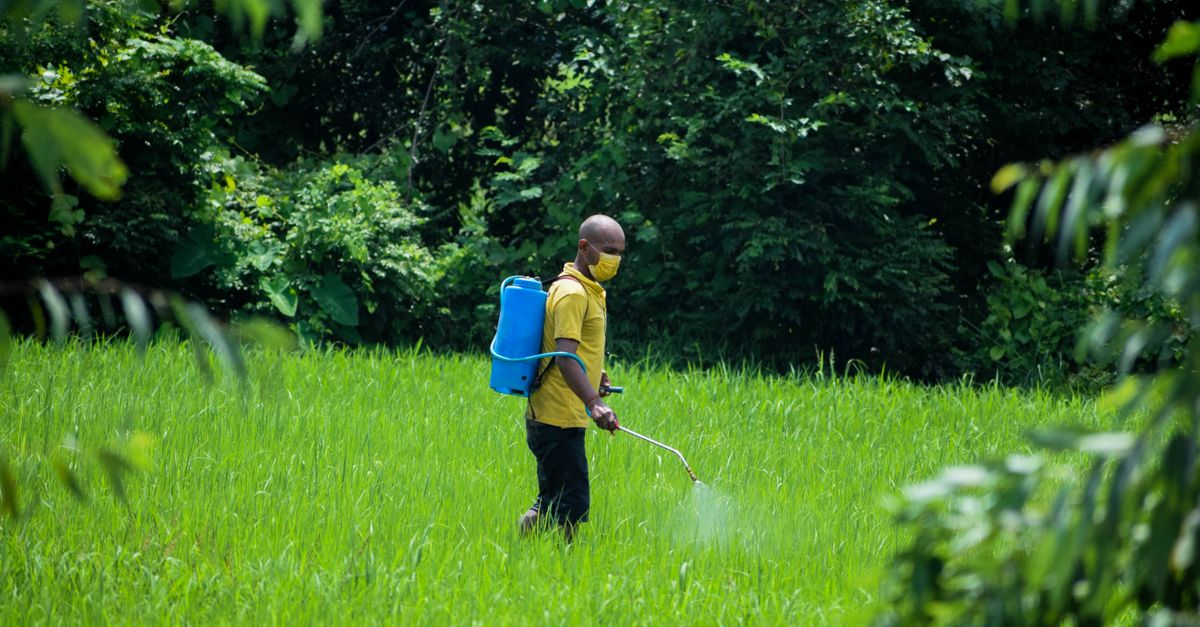
The Health Risks of Pesticide Exposure
Pesticide exposure can lead to a range of health problems depending on the type of pesticide involved and the level and duration of exposure. Short-term effects may include headaches, dizziness, nausea, vomiting, skin irritation or rash, eye irritation or tearing up.
Long-term effects from repeated low-level exposures may include cancer (including leukemia), reproductive issues like infertility; endocrine disruption; neurological damage; developmental delays; birth defects; respiratory problems among others.
Vulnerable Populations
Some groups may be more susceptible to negative health effects from pesticide exposure than others because their bodies cannot process or rid themselves of the toxic chemicals efficiently. Infants and children, pregnant women, elderly and anyone with a weakened immune system are all at higher risk for pesticide-related health problems.
Children are particularly vulnerable due to their developing bodies and because they may ingest or come into contact with pesticides more easily than adults. Moreover, studies have shown that exposure to pesticides in childhood can have lasting effects on health later in life.
The Most Common Pesticides Found in Your Home
While the use of pesticides in and around the home has become commonplace, many people are unaware of the specific types of toxic chemicals that they may be exposing themselves and their families to.
Organophosphates
One of the most commonly used pesticides in homes is organophosphates. This type of pesticide is typically found in insect sprays, pet flea collars, and roach baits. However, despite its widespread use, organophosphates have been linked to numerous health problems such as ADHD and neurological effects.
Pyrethroids
Pyrethroids are another common household pesticide that can be found in insect sprays, shampoos for head lice treatment, and mosquito repellents. These pesticides have been linked to skin irritation and can cause respiratory issues if inhaled over an extended period. However, they are generally considered less harmful than other types of pesticides.
Chlorpyrifos
This type of pesticide has been used for decades but has recently come under scrutiny for its harmful effects on human health. Chlorpyrifos is commonly used on fruit trees and vegetables and can also be found in some pest control products. Studies have linked chlorpyrifos exposure to developmental delays in children and other neurological disorders.
Glyphosate
Glyphosate is a common herbicide that is often used on lawns, gardens, golf courses, and other outdoor areas. It is also a key ingredient in many popular weed killer products such as Roundup. Despite its widespread use, glyphosate has been classified as a probable human carcinogen and has been linked to non-Hodgkin lymphoma.
It is important to note that these are just a few examples of the many types of pesticides that can be found in common household products. Other chemicals such as permethrin, carbamates, and neonicotinoids are also commonly used around the home and have been linked to various health concerns.
While it may not be possible to completely eliminate pesticide exposure, there are steps you can take to reduce your risk. Choosing natural alternatives or less toxic products, properly storing and disposing of pesticides, and advocating for safer regulations can all help create a healthier home environment for you and your family.

Identifying and Avoiding Toxins in Everyday Products
Now that you know the risks associated with pesticide exposure, it's important to learn how to identify and avoid toxins in everyday products. Here are some tips:
Read Labels Carefully
Always read labels before purchasing any household product. Look for products that have clear labeling with complete disclosure of all ingredients used. Avoid products that contain toxic chemicals such as chlorine, ammonia, and petroleum-based solvents.
Avoid Synthetic Fragrances
Synthetic fragrances found in products like air fresheners, laundry detergents, and fabric softeners can contain toxic chemicals such as phthalates, which are known endocrine disruptors. Instead, opt for unscented or natural fragrance products.
Choose Natural Alternatives
You can opt for natural alternatives to chemical pesticides like vinegar or baking soda instead of harsh cleaning chemicals. You can also find a range of eco-friendly cleaning products available on the market today.
Avoid Pesticide-Containing Products
Avoid purchasing pesticide-containing products like insecticides and herbicides if possible. Use prevention methods such as sealing cracks around your home and keeping food stored securely instead to control pests.
By following these tips, you can minimize your exposure to toxic pesticides present in household items and create a safer environment for your family.
How to Choose Safe Household Products
Choosing safe household products is important to reduce your exposure to pesticides and other harmful chemicals. Here are some tips to help you select safer alternatives:
Read Product Labels Carefully
The first step in choosing a safe household product is reading the label carefully. Pay attention to the ingredients listed, and avoid products that contain hazardous chemicals such as organophosphates, carbamates, pyrethroids, and neonicotinoids. Look for products labeled "Certified Organic," "Non-Toxic," or "Eco-Friendly."
In addition, look for product labels that include specific information about their impact on human health and the environment. Labels that state "Caution," "Warning," or "Danger" indicate varying degrees of toxicity.
Choose Safer Alternatives
Once you have identified toxic ingredients in household products, it's time to seek out safer alternatives. Consider using natural cleaning solutions such as vinegar or baking soda instead of chemical-laden cleaners.
You can also opt for less-toxic brands of laundry detergent and dish soap. When it comes to pest control, try using essential oils or plant-based insect repellents instead of toxic pesticides.
Avoid Fragrances
Fragrances are made up of various chemicals that can be harmful to human health. Avoiding fragranced household products is an effective way to reduce your exposure to these potentially harmful chemicals.
If you must use a scented product, look for those with natural fragrances derived from essential oils rather than synthetic fragrances made from petroleum-based ingredients.
Research Brands and Manufacturers
Take the time to research brands and manufacturers before purchasing their products. Look for companies that prioritize sustainability and use safer ingredients in their products. You can also check product ratings on websites such as the Environmental Working Group or GoodGuide.
By making informed decisions about the household products you use, you can reduce your exposure to harmful chemicals and create a safer environment for yourself and your family.

Natural Alternatives to Chemical Pesticides
When it comes to keeping pests at bay, there are several natural alternatives that can be just as effective as chemical pesticides. Not only are these methods safer for human and animal health, but they are also better for the environment. Here are some natural alternatives:
Biological Control
Biological control involves using other organisms to control pests. This method involves introducing predators or parasites that feed on or attack the pest population. For example, releasing ladybugs in your garden can help control aphids, while nematodes can help eliminate soil-dwelling pests like grubs.
Biological control is a great alternative because it reduces the need for harmful chemicals. It is important to note that biological control methods may take longer to work than chemical pesticides and require careful monitoring and maintenance.
Cultural Control
Cultural control involves changing growing conditions or practices to make them less favorable for pests. This method includes things like crop rotation, mulching, and proper irrigation techniques.
Cultural control is an effective way of preventing pest infestations from occurring in the first place. By creating an environment that is unsuitable for pests to thrive in, you can reduce their populations without using hazardous chemicals.
Physical Control
Physical control involves using barriers or traps to prevent pests from entering your home or garden. For example, sealing cracks around doors and windows can prevent insects from entering your home, while sticky traps can capture flying insects like fruit flies.
Physical controls are often used in combination with other methods like biological and cultural controls to create a more comprehensive solution.
Mechanical Control
Mechanical control involves physically removing pests or destroying their habitat. This method includes things like handpicking insects off plants, using a vacuum to remove pests from your home or removing diseased plants from your garden.
Mechanical control is a good option for small infestations and can be combined with other methods for a more effective solution.
Overall, there are many natural alternatives to chemical pesticides that can help keep pests at bay while also protecting human health and the environment. By using these methods, you can create a safer and healthier home for you and your family.

Tips for Safely Storing and Disposing of Household Pesticides
Once you've identified toxic pesticides in your home, it's important to take action to safely store and dispose of them. Here are some tips:
Storage:
Pesticides should always be stored in their original containers, with labels intact. Keep them in a locked cabinet or other secure location, out of reach of children and pets. Avoid storing pesticides in areas where they could be exposed to extreme temperatures or moisture.
If you have multiple types of pesticides, keep them separated from each other to avoid accidental mixing. Mixing pesticides can create dangerous chemical reactions that could harm you or damage your property.
Disposal:
When it's time to dispose of household pesticides, it's important to do so safely and responsibly. Never dump them down the drain or throw them in the trash, as this can harm the environment and put sanitation workers at risk.
The best way to dispose of household pesticides is through a hazardous waste collection program. Check with your local government or waste management authority for information on how to properly dispose of hazardous materials in your community.
Cleaning up spills:
If you accidentally spill a pesticide, it's important to clean it up properly to avoid exposure. Wear protective gloves and clothing while cleaning up spills, and make sure the room is well-ventilated.
Absorb the spill with paper towels or absorbent material like cat litter or sawdust. Place the contaminated material in a sealed plastic bag before disposing of it according to local guidelines for hazardous waste disposal.
Safer alternatives:
The best way to reduce your exposure to toxic household pesticides is by avoiding them altogether whenever possible. Look for natural alternatives to chemical pesticides, such as essential oils or non-toxic pest control products.
You can also prevent pest problems by keeping your home clean and well-maintained, sealing up cracks and gaps in your walls and foundation, and using bait traps or other non-toxic methods of pest control.
By taking these steps to safely store and dispose of household pesticides, you can help protect yourself, your family, and the environment from the harmful effects of toxic chemicals.
Understanding Pesticide Regulations and Labels
The Role of Government Regulations in Protecting Consumers
The government plays a crucial role in regulating the use and sale of pesticides. The Environmental Protection Agency (EPA) sets standards for pesticide use and establishes regulations to ensure that consumers are protected from harmful exposure. These regulations include limits on how much of a pesticide can be used, how often it can be applied, and where it can be used. The EPA also requires that all pesticides sold in the United States undergo extensive testing to determine their safety.
Deciphering Pesticide Labels
Pesticide labels contain important information about the product, including instructions for use, safety precautions, and warnings about potential hazards. It's crucial to read these labels carefully before using any pesticide product. Look for signal words like "Warning" or "Danger" to identify the level of toxicity associated with the product. Remember that just because a product is labeled as "natural" or "organic," it doesn't necessarily mean it is safe.
Identifying Harmful Ingredients
Some pesticides contain ingredients that are known to be harmful to human health or the environment. For example, organophosphate pesticides have been linked to neurological damage in children, while neonicotinoids have been implicated in honeybee colony collapse disorder. Take time to research the active ingredients in any pesticide products you plan on using and make informed decisions about their safety.
The Importance of Proper Storage and Disposal
Once you've finished using a pesticide product, it's important to store it safely out of reach of children and pets. Never transfer products into unmarked containers or dispose of them down drains or toilets as this may contaminate water sources or harm wildlife. Instead, consult your local waste disposal facility for proper instructions on how to dispose of pesticide products. By following these guidelines, you can help protect your family and the environment from harmful exposure to pesticides.

Taking Action: Advocating for Safer Products and Pesticide Use Restrictions
Now that you understand the risks of pesticide exposure in household products, it's time to take action. Advocating for safer products and pesticide use restrictions can help protect your family and the environment.
Support Safer Alternatives
Contacting companies that produce household products containing pesticides is one way to encourage them to switch to safer alternatives. Look for companies that produce natural or organic alternatives or those that use less-toxic pesticides in their products. You can also support local businesses that sell eco-friendly alternatives, thus promoting a healthier community.
Contact Your Legislators
Contacting your elected officials is another way to promote safer products and restrict pesticide use. Consider writing letters or emails expressing your concerns about current policies regulating household product safety and asking them to push for stricter controls on harmful chemicals in these products.
Join Local Organizations
Joining a local environmental organization can be an effective way to advocate for change at the community level. Such organizations may offer opportunities like lobbying local policymakers, organizing public awareness campaigns, or hosting educational events aimed at improving public health through conscious consumer choices.
Educate Yourself and Others
The more you know about toxic chemicals in household products, the better equipped you will be to buy safe options and advocate for change. Share what you've learned with friends, family members, or colleagues who might not be aware of this potential health risk by using social media platforms or writing blog articles so that they too can make informed decisions about their own health and well-being.
Fighting against harmful chemicals present in our everyday life requires collective effort as we can only achieve meaningful progress by working together towards a common goal of a safer and better world. So, take action today by supporting safer alternatives, contacting legislators, joining local organizations, and educating yourself and others about the risks of toxic pesticides in household products. Together we can build a healthier future for ourselves and our environment!
Childhood Leukemia and Exposure to Toxic Pesticides in Common Household Products
Exposure to toxic pesticides can have severe health consequences, especially for young children whose bodies are still developing. Studies have shown a strong link between exposure to pesticides and childhood leukemia, a cancer of the blood cells that affects thousands of children each year.
The American Academy of Pediatrics has stated that "children encounter pesticides daily and have unique susceptibilities to their potential toxicity." This is particularly concerning given that many common household products, such as insecticides and herbicides, contain potentially harmful chemicals.
Children may be exposed to these toxins through ingestion or inhalation, as well as through contact with contaminated surfaces. In fact, one study found that children who lived in homes where pest control was used regularly were almost twice as likely to develop leukemia compared to those who did not.
To protect our children from the health risks associated with pesticide exposure, it is important for parents to carefully choose household products and use them sparingly. Additionally, advocating for stronger regulations on pesticide use in our communities can help reduce overall exposure levels.
Conclusion: A Healthier Home for You and Your Family.
In conclusion, exposure to toxic pesticides in common household products is a significant health risk that should not be taken lightly. However, with increased awareness and education, we can make informed choices about the products we use in our homes and reduce our exposure to these harmful chemicals. By identifying and avoiding toxins in everyday products, choosing safe household alternatives, properly storing and disposing of pesticides, and advocating for safer product regulations and restrictions, we can create a healthier home for ourselves and our families. Let's take the necessary steps to protect ourselves from hidden health risks lurking in our own homes.
