

How to Lose Weight Fast and Safely with the Best Diet Plan
Are you struggling to lose weight and get in shape? Do you find yourself overwhelmed by the endless diet plans and weight loss strategies out there? You're not alone. Losing weight can be a daunting task, but with the right approach, it is possible to shed those extra pounds and achieve your desired body shape.
In this article, we will explore the best diet plan for fast and safe weight loss. We'll discuss the importance of having a good diet plan, setting realistic goals, incorporating key nutrients into your meals, and incorporating exercise into your routine. Additionally, we'll debunk common myths about weight loss and offer tips for staying motivated on your journey. By following our advice and guidance, you can create a sustainable plan that will help you lose weight quickly while keeping your body healthy and strong.
The Importance of a Good Diet Plan
When it comes to losing weight, a good diet plan is essential. Not only does it help you shed unwanted pounds but also helps in maintaining a healthy weight over the long term. A healthy diet plan provides the body with the nutrients it needs while keeping calories in check.
A good diet plan not only helps you manage your weight but also reduces the risk of various health problems such as heart disease, diabetes, and cancer. It promotes healthy eating habits that can benefit your overall health and well-being.
A nutritious diet plan can improve your mood and energy levels, boost brain function, and even enhance your skin's appearance. You'll feel better physically and mentally when you fuel your body with wholesome foods instead of junk food.
Another benefit of having a good diet plan is that it helps build healthy habits for life. A well-balanced meal plan can teach you how to choose healthier options when dining out or cooking at home. This makes maintaining a healthy lifestyle easier in the long run.

Setting Realistic Goals for Weight Loss
Losing weight can be a daunting task, but setting realistic goals can help you achieve success. The first step is to identify your desired weight loss goal. It is important to set a realistic target that takes into account your current health status and body composition. A safe and achievable rate of weight loss is about 1-2 pounds per week.
To successfully reach your weight loss goals, it’s important to track your progress. Consider using measurements such as waist circumference or body fat percentage in addition to weigh-ins. Keep in mind that progress is not always linear and there may be periods of plateau or slight weight gain during the process.
Another important aspect of setting realistic goals for weight loss is considering lifestyle factors. It’s crucial to make changes that are sustainable and fit within your daily routine. This could mean starting with small changes such as adding more fruits and vegetables to your meals or incorporating physical activity into your daily routine.
Lastly, it’s important to focus on overall health rather than just the number on the scale. Celebrate non-scale victories such as increased energy levels, improved mood, or better sleep quality. Remember that every person’s journey towards a healthy lifestyle is unique and there is no one-size-fits-all approach.
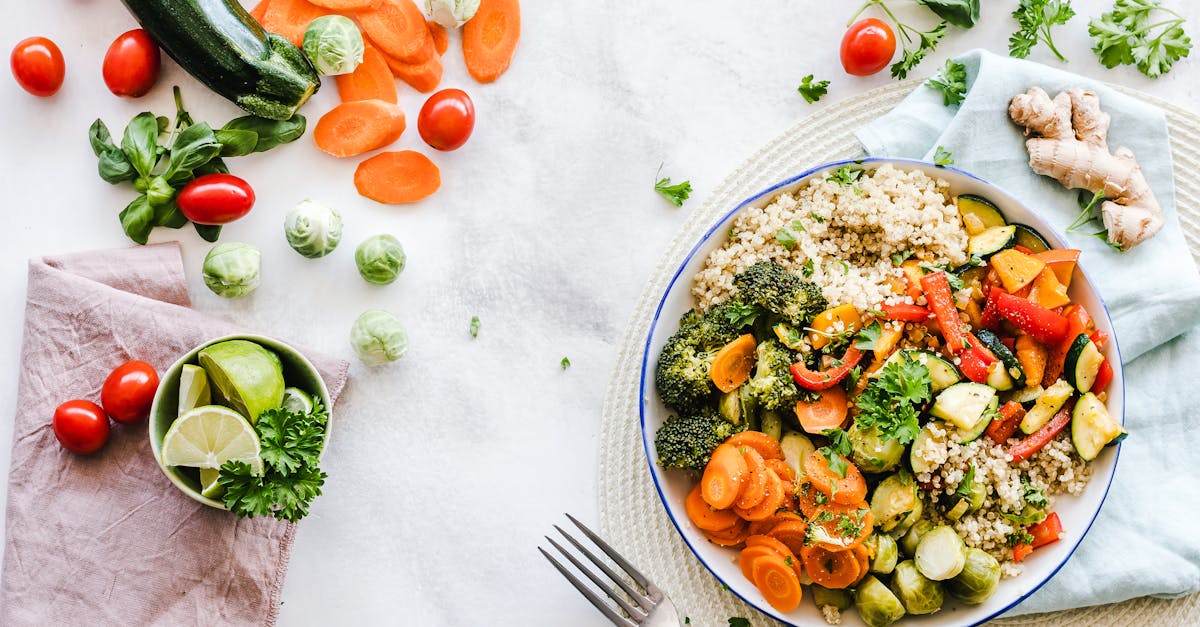
The Best Foods for Weight Loss
When it comes to weight loss, food choices play a crucial role. The right foods can help boost your metabolism, curb cravings, and keep you feeling full for longer periods. Here are some of the best foods to include in your diet for effective weight loss:
1. Leafy Greens
Fruits and vegetables are key components of a healthy diet plan, but leafy greens such as spinach, kale, and collard greens are particularly beneficial for weight loss. These low-calorie options are rich in fiber, vitamins, and minerals while remaining low in calories. Studies have shown that increasing your intake of leafy greens can lead to significant reductions in body weight.
2. Whole Grains
Whole grains like oatmeal, brown rice, quinoa, and whole wheat pasta provide complex carbohydrates that take longer to break down than refined grains such as white bread or pasta. This means you'll feel fuller for longer periods after eating them while also providing your body with essential nutrients like vitamins B and E.
3. Lean Protein Sources
Including lean protein sources like chicken breast or fish in your diet plan is an effective way to aid weight loss by keeping you feeling full and satisfied after meals due to the protein's satiating effect on hunger hormones. These protein sources are also relatively low-calorie compared to other fatty meats like beef or pork.
4. Berries
Berries such as strawberries, blueberries, and raspberries contain antioxidants called polyphenols that help reduce inflammation in the body that may lead to obesity-related diseases such as diabetes or heart disease. These nutrient-dense fruits also contain high amounts of fiber while being low in calories which makes them an ideal snack for weight loss.
Incorporating these best foods into your diet plan and reducing consumption of high-calorie, processed foods can help you attain your weight loss goals while remaining healthy and satisfied.
Key Nutrients to Include in Your Diet
Eating a nutritious diet is essential for weight loss. In addition to consuming fewer calories than you burn, it's important to get the right balance of nutrients. Here are some key nutrients you should make sure to include in your diet:
Protein
Protein is an essential nutrient that helps build and repair tissues, promotes satiety, and boosts metabolism. However, not all protein sources are equal. Choose lean sources of protein such as chicken breast, fish, tofu, beans, or lentils over processed meats like hot dogs or bacon.
You don't have to be vegan or vegetarian to incorporate plant-based proteins into your diet. Consider lentil soup or a black bean burrito instead of traditional meat-based options.
Fiber
Fiber helps keep you feeling full longer and can also help regulate blood sugar levels. Aim for at least 25-30 grams per day of whole foods such as fruits, vegetables, legumes, and whole grains.
If you struggle to get enough fiber from your diet alone consider using a fiber supplement like psyllium husk.
Vitamins and Minerals
Vitamins and minerals play a crucial role in various bodily functions and can be found in abundance in fruits and vegetables. Incorporate a variety of colors into your daily meals for optimal nutritional benefits.
If you're concerned about not getting enough vitamins or minerals from your food alone consider incorporating a vitamin supplement into your routine after consulting with your doctor.
Healthy Fats
Fat doesn't make you fat; it's actually an essential nutrient that helps the body absorb vitamins A, D, E & K while also providing energy and satiety. However, not all fats are created equal.
Avoid trans-fats found in processed foods and opt for healthy fats such as those found in nuts, seeds, avocados, and olive oil.
Remember that moderation is key when it comes to fat consumption. Keep an eye on serving sizes and try to incorporate healthy fats into each meal for balanced nutrition.
Incorporating these key nutrients into your diet can help you achieve your weight loss goals while still providing your body with the essential nutrients it needs to function properly. Remember that small changes can add up over time, so make sure to focus on progress rather than perfection.

Tips for Effective Meal Planning
Meal planning can be a key component of successful weight loss. When you plan your meals ahead of time, you are more likely to make healthy choices and avoid impulsive eating. Here are some tips to help you create an effective meal plan:
1. Plan Your Meals in Advance
Sit down once a week and plan out your meals for the upcoming week. Consider your schedule and choose meals that are easy to prepare on busy days. Take stock of what ingredients you already have on hand, and make a shopping list for anything else you'll need.
2. Focus on Whole Foods
When planning your meals, focus on whole foods like vegetables, fruits, lean proteins, and whole grains. Avoid processed foods that are high in sugar and unhealthy fats.
3. Prepare Your Meals Ahead of Time
To save time during the week, consider preparing some of your meals ahead of time. For example, chop up veggies for salads or stir-fries and store them in the fridge until you're ready to use them.
4. Don't Forget about Snacks
In addition to planning your main meals, don't forget about snacks. Choose healthy options like fruit or raw veggies with hummus instead of reaching for chips or candy.
By following these tips for effective meal planning, you'll be well on your way to achieving your weight loss goals while enjoying delicious and satisfying meals!
Intermittent Fasting: A Safe and Effective Weight Loss Strategy
If you are looking for a simple yet effective weight loss strategy, look no further than intermittent fasting. This approach involves alternating periods of eating with periods of fasting, ranging from several hours to a full day or more. Not only can it help you shed unwanted pounds quickly, but it also offers numerous health benefits beyond weight loss.
How Intermittent Fasting Helps with Weight Loss
Intermittent fasting promotes weight loss by reducing your overall calorie intake. By limiting the amount of time you spend eating each day, you naturally consume fewer calories without feeling deprived or hungry. Additionally, fasting triggers changes in hormone levels that stimulate fat burning and increase metabolic rate.
Research has shown that intermittent fasting is just as effective for weight loss as traditional calorie restriction diets, with some studies suggesting that it may even be superior. One study found that participants who fasted intermittently lost an average of 7.7 pounds over 12 weeks, while those on a daily calorie restriction diet lost only 6.5 pounds.
The Different Types of Intermittent Fasting
There are several different types of intermittent fasting, including:
- 16/8 Method: Also known as the Leangains method, this involves restricting your daily eating window to 8 hours and fasting for the remaining 16 hours.
- Eat-Stop-Eat: This involves one or two full-day fasts per week in which no food is consumed at all.
- 5:2 Diet: This approach involves eating normally for five days out of the week and restricting calories to 500-600 for the remaining two days.
- Alternate-Day Fasting: As the name suggests, this involves alternating between one day of eating normally and one day of fasting.
Tips for Success with Intermittent Fasting
To make the most of intermittent fasting, it's important to plan your meals carefully and stay hydrated during periods of fasting. You may find it helpful to start with shorter fasts and work your way up to longer periods over time. Additionally, be sure to listen to your body and adjust your approach as needed if you experience any negative side effects.
Intermittent fasting can be an effective strategy for weight loss and improving overall health. With a little bit of planning and dedication, you can incorporate this approach into your lifestyle and achieve great results in no time!
Incorporating Exercise into Your Weight Loss Plan
Exercise is a key element of any weight loss plan. It not only burns calories but also helps to build lean muscle, which in turn helps to increase your metabolism. There are a variety of exercises that you can do to help support your weight loss goals.

Cardiovascular Exercise
Cardiovascular exercise is one of the most effective ways to burn calories. Incorporating cardio into your routine can improve heart health and help you lose weight. Some examples of cardiovascular exercise include running, cycling, dancing, or swimming.
If you are new to exercising, start with 10-15 minutes per day and gradually increase the duration as your fitness improves. Aim for at least 30 minutes of moderate-intensity cardio exercise most days of the week.
Strength Training
Strength training is an important part of any weight loss plan because it helps you build lean muscle mass. The more muscle mass you have, the more calories you will burn at rest.
Incorporate strength training exercises into your routine two to three times per week. This can include lifting weights or using resistance bands. Focus on working all major muscle groups, such as legs, back, shoulders, chest and arms for optimal results.
Aerobic Exercise
Aerobic exercise is another great way to support weight loss goals as it raises the heart rate and burns calories. Aerobics classes or dance classes are excellent examples of aerobic exercises that will get your blood flowing while burning fat at the same time! With so many options available online these days from Zumba to Bollywood fitness routines – there has never been a better time than now!

Mind-Body Exercises
Mind-body exercises, such as yoga and Pilates, are great for reducing stress and anxiety while also helping you stay active. These types of exercises can also improve balance and flexibility.
Yoga combines physical activity with meditation techniques that help to reduce stress levels. Pilates focuses on building core strength, which is essential for good posture and overall body balance.
Incorporate mind-body exercises into your routine twice a week or more depending on your fitness level. You can follow online classes or join a local gym to help stay motivated!
Remember, no matter what type of exercise you choose to incorporate into your weight loss plan, consistency is key! Pairing regular exercise with a well-balanced diet will help you achieve optimal results in the long term.
Common Weight Loss Myths Debunked
There are several myths surrounding weight loss that many people believe to be true. Unfortunately, these myths can hinder your weight loss progress and even lead to frustration or disappointment. Here are some common weight loss myths debunked:
Myth 1: Carbohydrates Make You Gain Weight
Many people associate carbohydrates with weight gain, but the truth is that they're an essential part of a balanced diet. Cutting out all carbohydrates from your diet can actually lead to nutrient deficiencies and make it harder for you to lose weight in the long run. Instead, try to limit your intake of refined carbohydrates like white bread and pasta, and focus on getting healthy carbohydrates from sources like fruits, vegetables, and whole grains.
Myth 2: Eating Late at Night Causes Weight Gain
You may have heard that eating late at night causes weight gain because your body doesn't have time to burn off the calories before you go to sleep. However, this is a myth. What matters most for weight loss is the total number of calories you consume throughout the day, not when you eat them.
Myth 3: You Have to Cut Out Fat Completely
Cutting out all fat from your diet may seem like a good idea for weight loss, but it's actually counterproductive. Your body needs healthy fats for energy and overall health. Instead of cutting out all fats, focus on consuming healthy fats like nuts, seeds, avocadoes, and olive oil in moderation.
Myth 4: You Can Spot-Reduce Fat
If you've been doing endless crunches or sit-ups for months hoping they'll help you get rid of belly fat—stop right now! The truth is that you can't spot-reduce fat. When you lose weight, it will come off from all over your body, not just one specific area. So, instead of trying to target a specific area, focus on overall weight loss by following a healthy diet and regular exercise routine.
Debunking these myths will help you develop a realistic approach to weight loss. Remember that losing weight takes time and requires consistent effort, but it's achievable with the right mindset and approach.
Staying Motivated on Your Weight Loss Journey
When it comes to weight loss, the journey is not always easy. It can be challenging to stay motivated and stick to your plan, especially if you don't see immediate results. However, there are a few tips that can help you stay on track and maintain your motivation throughout your weight loss journey.

Set Realistic Goals
The first step in staying motivated is setting realistic goals. It's important to have a clear idea of what you want to achieve and how long it will take. Unrealistic goals can lead to disappointment and frustration if they're not met, so be sure to set achievable milestones along the way.
You may also want to consider setting non-scale victories as goals. For example, fitting into a smaller size of clothing or completing a specific exercise routine could be just as rewarding as seeing the number on the scale go down.
Celebrate Your Progress
It's essential to celebrate your progress along the way. Even small accomplishments can provide a sense of achievement and boost your motivation levels.
You could treat yourself with something non-food related like buying new workout clothes or going for a massage after reaching specific milestones. Celebrating will give you something positive to focus on rather than obsessing about things that haven't changed yet.
Create Accountability
Creating accountability for yourself is an effective way of staying motivated when losing weight. Consider sharing your goals with people who will support you like family members or friends.
You could also join online communities or forums where people share their weight loss journeys, and offer support, advice, and encouragement for each other throughout their journeys.
Remind Yourself Why You Started
Inevitably, there will be times when you feel like giving up or losing hope. It's essential to remind yourself why you started your weight loss journey in the first place.
Reflect on the benefits of losing weight, such as better health, improved confidence, boosted energy levels, and increased mobility. Visualize yourself accomplishing your goals and how you will feel when you achieve them. This will help reignite your motivation and help you stay focused on your weight loss journey.
Staying motivated is critical to achieving your weight loss goals. By setting realistic goals, celebrating progress, creating accountability, and reminding yourself why you started, it's possible to maintain momentum throughout your journey.

Homeopathic Natural Remedies for Weight Loss
For those looking to lose weight, homeopathic remedies offer a natural and safe alternative to traditional weight loss methods. Homeopathy is a holistic approach that treats the whole person, rather than just physical symptoms. Here are some of the top homeopathic remedies for weight loss.
Natrum Mur
Natrum Mur is one of the most commonly used homeopathic remedies for weight loss. It is particularly effective for those who have gained weight due to emotional eating or stress. This remedy helps to balance water levels in the body and regulate metabolism, making it easier to shed excess pounds.
Lycopodium clavatum
Lycopodium Clavatum is another popular homeopathic remedy for weight loss. It is recommended for people who struggle with food cravings and overeating, particularly in the evening or at night. Lycopodium Clavatum helps to improve digestion and reduce bloating, which can make it easier to control your appetite and lose weight.
Pulsatilla Nigricans
Pulsatilla Nigricans is a beneficial homeopathic remedy for women struggling with weight gain due to hormonal imbalances or menopause. This remedy helps regulate estrogen levels in the body, reducing symptoms like bloating and water retention that often contribute to weight gain during these times.
Fucus Vesiculosus
Fucus Vesiculosus is a natural remedy derived from sea kelp that has been shown to aid in weight loss by boosting metabolism and reducing appetite. It also contains iodine which supports thyroid function, helping regulate hormone levels in the body that can contribute to changes in body composition.
While these natural remedies can be effective on their own, it is important to remember that they should be used in conjunction with a healthy diet and regular exercise for maximum benefits. Consult a qualified homeopathic practitioner for advice on the best remedies and dosages to suit your individual needs.
Conclusion
In conclusion, losing weight fast and safely with the best diet plan is possible if you follow the right strategies and make positive lifestyle choices. Remember to set realistic goals, incorporate key nutrients into your diet, plan your meals ahead of time, and consider intermittent fasting as a safe and effective weight loss strategy. Don't fall for common weight loss myths and stay motivated on your journey by tracking your progress and celebrating small successes along the way. With determination and commitment, you can achieve your weight loss goals and improve your overall health and well-being.
