
Brain Implant Benefits for Neurological Disorders
Brain Implant Benefits for Neurological Disorders
Neurological disorders can severely impact a person's quality of life, affecting their ability to communicate, move, and carry out daily activities. Brain implants offer new hope for those living with neurological conditions for whom other treatments have been unsuccessful. In this section, we will discuss the benefits of brain implants for neurological disorders.
Improved Motor Function
One of the most significant benefits of brain implants is improved motor function. Brain implants work by sending electrical impulses to specific areas in the brain that control movement. This technique has been shown to help patients with Parkinson's disease and essential tremors improve their hand and arm movements. Brain implants can also help improve walking abilities and reduce involuntary movements in patients with dystonia.
A study published in The New England Journal of Medicine found that deep-brain stimulation (DBS) therapy through a brain implant was more effective than traditional medical therapy at improving motor function in patients with Parkinson's disease. DBS resulted in a 26% improvement in motor function compared to just 1% improvement with medication alone.
Reduced Pain
Pain from neurological conditions can be debilitating and affect a person's quality of life significantly. Brain implants offer relief from chronic pain caused by conditions such as spinal cord injuries or nerve damage.
The implant works by delivering electrical impulses to the spinal cord or peripheral nerves, interfering with pain signals that are sent to the brain. This technique is known as spinal cord stimulation (SCS) or peripheral nerve stimulation (PNS). SCS has been shown to be effective in reducing chronic back pain, complex regional pain syndrome, and neuropathic pain.
Better Control over Seizures
Epilepsy is a common neurological condition that affects about 3.4 million Americans. It is a chronic disorder in which abnormal brain activity causes seizures. Brain implants can help control seizures in patients who don't respond to medication.
The implant works by detecting when a seizure is about to occur and then delivering electrical impulses to the part of the brain where the seizure is starting, preventing it from spreading. This technique is called responsive neurostimulation (RNS). Studies have shown that RNS has been effective in reducing seizure frequency by at least 50% in half of treated patients.
Overall, brain implants offer new hope for those living with neurological conditions that have been unresponsive to other treatments. They can improve motor function, reduce pain, and better control seizures in affected individuals.
What is a Brain Implant?
A brain implant, also known as a neural device or neuroprosthetic device, is an electronic device that is surgically implanted in the brain to improve or restore functions that have been lost due to neurological disorders. The implant can serve as a bridge between the nervous system and external devices such as computers, prosthetic limbs, or other assistive technologies.
The device consists of electrodes that are placed in specific regions of the brain and connected to wires that pass through the skull and are attached to an external control unit. The electrodes pick up signals from the brain and transmit them to the control unit, which then decodes them into commands that can be used to control external devices. Similarly, the control unit can send signals back to the electrodes which stimulate specific regions of the brain to produce desired effects.
Brain implants are used for a variety of purposes, including deep brain stimulation (DBS) for Parkinson's disease and other movement disorders; cortical stimulation for epilepsy; cochlear implants for hearing loss; and visual implants for blindness. They are also being developed as potential treatments for psychiatric disorders such as depression and substance addiction.
Types of Neurological Disorders Treated by Brain Implants
Brain implants have revolutionized the treatment of neurological conditions that were once thought to be incurable. These implants are used to relieve symptoms of various disorders, including:
Parkinson's Disease
Parkinson’s disease is a neurodegenerative disorder that affects movement, causing tremors, stiffness, and difficulty with balance and coordination. Brain implants can help alleviate these symptoms by regulating abnormal electrical activity in the brain. The implant delivers electrical stimulation to specific areas of the brain, helping to reduce tremors and improve motor function.
Epilepsy
Epilepsy is a neurological disorder characterized by seizures that can sometimes be life-threatening. Brain implants can detect seizure activity in the brain and deliver electrical stimulation to prevent seizures from occurring. This technique is called deep brain stimulation (DBS), which works similarly to Parkinson’s disease treatment.
Depression
Treatment-resistant depression affects millions worldwide, with up to 30% failing antidepressant medications. For severe cases where traditional treatments don't work, deep brain stimulation (DBS) may provide relief. In DBS therapy for depression, an implanted device sends continuous electrical impulses to targeted regions in the patient's brain — typically either Brodmann Area 25 or other areas related — altering neural activity until mood improves.
Overall, with advances in technology and medical research expanding our understanding of how the human brain works; it is becoming increasingly clear that these devices have more potential than we ever imagined for improving quality-of-life for those who suffer from neurological disorders.

How Brain Implants Work
A brain implant, also known as a neurostimulator, is a device that is surgically implanted into the brain to deliver electrical impulses to specific areas of the brain. These electrical impulses can help regulate abnormal activity in the brain and reduce symptoms of neurological disorders such as Parkinson's disease, epilepsy, and chronic pain.
The implant consists of a small electrode or wire that is placed in the area of the brain responsible for producing symptoms. The electrode is connected to a battery-powered stimulator device that is implanted under the skin, usually in the chest or abdomen. The stimulator sends electrical signals through the electrode to stimulate or inhibit nerve activity in specific parts of the brain.
The process of how brain implants work is complex and not yet fully understood by medical professionals. However, it is believed that they work by modulating neural activity within certain regions of the brain. By doing so, they can either enhance or diminish neural network function based on an individual's particular needs and symptoms. This means that different types of implants may have varying effects depending on their location within the brain and their specific function.
Advancements in technology have led to new developments in how these devices work; with some being able to directly stimulate or record from individual neurons with unprecedented precision and accuracy. These newer devices offer exciting possibilities for improving our understanding of how neural circuits contribute to neurological disorders, while also provide greater therapeutic efficacy for those suffering from these devastating conditions.
Benefits of Brain Implants for Neurological Disorders
Brain implants, also known as neuroprosthetics, have been a game-changer in the treatment of neurological disorders. Deep brain stimulation (DBS) is one of the most common types of brain implants used to treat movement disorders like Parkinson's disease, essential tremor, dystonia, and obsessive-compulsive disorder. DBS involves implanting electrodes into specific areas of the brain that control movement and using them to regulate abnormal activity.
The benefits of DBS for neurological disorders are significant. For example, patients with Parkinson's disease who have undergone DBS surgery often experience a significant reduction in tremors and stiffness. They also report an improvement in their overall quality of life and a decrease in medication needed to control their symptoms.
In addition to movement disorders, brain implants have also been successful in treating epilepsy. Responsive neurostimulation (RNS) is one type of brain implant used for epilepsy that detects abnormal activity in the brain and delivers an electrical pulse to stop seizures before they start. Patients who have undergone RNS surgery report fewer seizures and improved cognitive function.
Preparing for Brain Implant Surgery
Neurological Evaluation
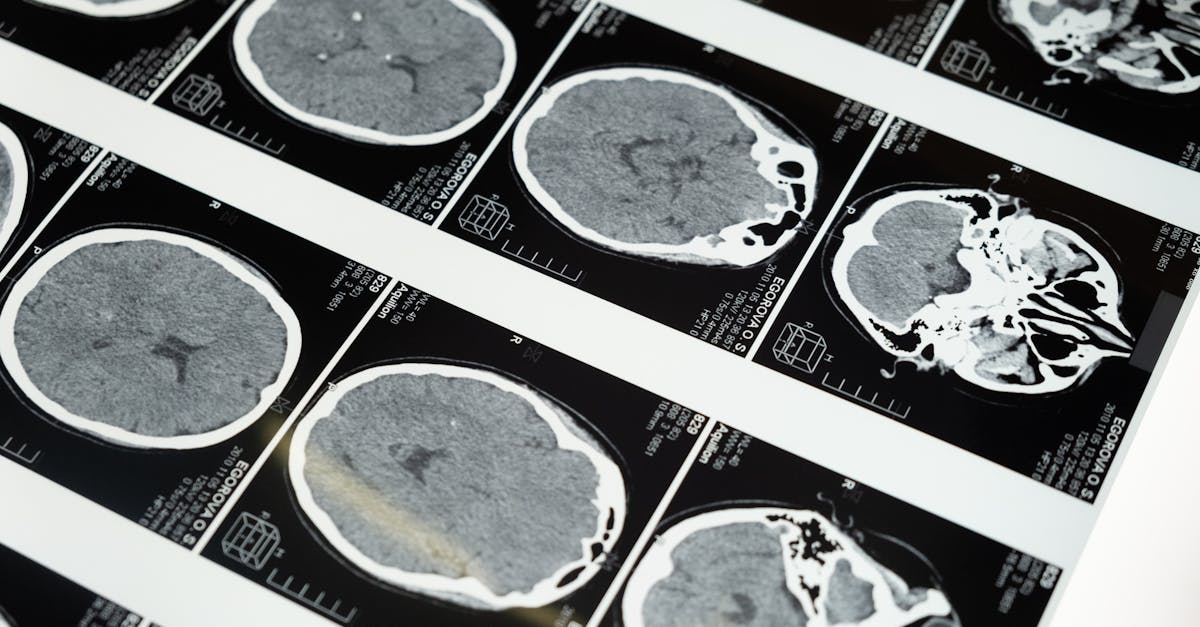
Before a brain implant surgery, a comprehensive neurological evaluation is necessary. The evaluation helps the healthcare team understand the patient's neurological condition and determine whether or not brain implant surgery is appropriate. Some of the tests that may be performed during the neurological evaluation include CT scans, MRIs, EEGs, and cognitive evaluations to assess memory and language abilities.
The neurologist will work with patients to manage their symptoms before undergoing brain implant surgery. Depending on the condition being treated, medications or other therapies may be recommended to help relieve symptoms such as tremors or seizures. Patients should inform their healthcare provider of any medications they are taking as some may need to be adjusted before surgery.
The evaluation process also allows patients to ask questions about the procedure and what they can expect before, during, and after surgery. It's essential for patients to communicate openly with their healthcare team so that they can provide individualized care and support throughout the entire process.
Lifestyle Changes
Prior to brain implant surgery, patients must make certain lifestyle changes to minimize risks associated with anesthesia or recovery after surgery. Patients should stop smoking at least two weeks before their scheduled procedure as it affects blood flow which can increase surgical risks.
Patients should avoid alcohol consumption at least 24 hours prior to the scheduled procedure since it can interact with certain medications used during anesthesia. In addition, fasting at least 12 hours prior is typically required by most surgeons in order maintain an empty stomach which reduces risk of aspiration during any vomiting episodes post-operatively.
Failing these preparations may increase risk of complications during or after surgery which could lead to prolonged hospitalization time.
Mental Health Preparation
Mental health is important in preparation for brain implant surgery. Patients should be open and honest with their healthcare providers about any history of depression, anxiety, or other mental health conditions that they may have. Psychological counseling may be recommended to help patients cope with the emotional aspects surrounding the procedure.
Patients should also have a support system in place before brain implant surgery. This includes family members or friends who can provide physical and emotional support during the recovery period. It's essential for patients to talk openly about their concerns and fears with loved ones as this helps them feel more prepared for what lies ahead.
Lastly, it's important for patients to take care of themselves mentally by making time for relaxation activities such as meditation or yoga. These activities can help reduce stress levels and improve overall well-being which is critical in having a successful outcome after brain implant surgery.
The Procedure: What to Expect
Preparation for Brain Implant Surgery
Prior to undergoing brain implant surgery, there will be a series of tests and scans conducted by your healthcare provider. These tests are necessary to ensure that you are an appropriate candidate for the procedure and to help the surgical team plan accordingly. During this time, it is important that you disclose all relevant medical information and medication use.
It is also crucial that you have a support system in place for after the surgery. You may need assistance with daily activities during your recovery period, which can last up to several weeks or months depending on the individual case. Your healthcare provider will provide detailed instructions regarding what you can and cannot do during this time.
Lastly, it is normal to feel anxious or nervous prior to surgery. It may be helpful to ask your healthcare provider questions or express any concerns beforehand so that they can address them and help ease any anxiety.
The Procedure Itself
Brain implant surgery typically lasts several hours and is conducted under general anesthesia. Depending on the type of implant being used and the location of the targeted brain area, a small incision will be made in either the scalp or skull bone before inserting electrodes or other devices into specific regions of the brain.
During surgery, real-time monitoring systems are used to ensure accuracy and minimize risk. The surgical team may also ask patients questions or conduct motor function tests while electrodes are being inserted in order to map out specific areas of the brain that need stimulation.
After insertion, wires connecting from these devices will typically be threaded under the skin behind ears along with a battery pack usually placed in a patient's chest cavity beneath collar bones.The wires then connect into a stimulator device that can adjust levels of electrical impulse stimulation through software on a handheld controller.

Recovery and Aftercare
The recovery process for brain implant surgery can vary depending on the individual and the specific procedure performed. In general, patients are asked to limit physical activity and avoid certain things like heavy lifting, driving or operating machinery for several weeks after surgery. It is important to follow all post-surgical instructions provided by your healthcare provider in order to ensure a smooth recovery.
Regular check-ins with your healthcare provider will be necessary in the weeks and months following the procedure to monitor progress and make any necessary adjustments to stimulation levels or medication use. Patients should also be aware of potential risks including infection, bleeding or neurological complications that may occur post-surgery.
Despite these risks, many individuals who undergo brain implant surgery see significant improvement in their quality of life over time – making it an increasingly popular choice among those looking for alternative treatment options for neurological disorders.
Recovery and Aftercare
Post-Surgery Recovery
The recovery process after a brain implant surgery is different for each patient. In general, patients can expect to stay in the hospital for a few days following the surgery, during which time they will be closely monitored by medical professionals. During this period, doctors will ensure that the patient's vital signs are stable and that any complications are addressed promptly.
Pain management is also an important part of post-surgery recovery. Patients may experience some discomfort or pain at the surgical site, but medication can help alleviate this sensation. It is important for patients to follow their doctor's instructions regarding medication use and dosage.
After discharge from the hospital, patients will continue their recovery at home. They should avoid strenuous activity and lifting heavy objects for several weeks after surgery to allow their body to heal properly. Patients should also attend all scheduled follow-up appointments with their doctor to monitor their progress.

Maintenance and Follow-Up Care
Caring for a brain implant after surgery requires ongoing maintenance and follow-up care with medical professionals. Patients will need regular check-ups with their doctor to monitor the function of the implant and make any necessary adjustments.
Patients may also receive training on how to manage and adjust settings on their implant device on their own at home. It is important for patients to inform medical professionals of any changes in symptoms or concerns about the device so that they can receive prompt care if needed.
In addition, it is essential for patients with brain implants to protect themselves from electromagnetic fields (EMFs), as they can interfere with implant function. Medical professionals may provide guidance on safe distances from EMF sources such as microwaves or cellphones.
Lifestyle Changes
Patients who undergo brain implant surgery may need to make lifestyle changes to support their recovery and ensure the success of the implant. This may include adjustments to diet, exercise routines, or other habits that can impact overall health.
In addition, patients with brain implants should be mindful of potential risks associated with certain activities or environments. For example, patients should avoid participation in contact sports or activities that involve a risk of head injury.
Overall, recovery and aftercare play a critical role in the success of brain implant surgery for neurological disorders. With proper care and attention, patients can improve their quality of life and experience lasting benefits from this innovative treatment option.
Success Stories: Real-life Examples of Brain Implant Benefits
Brain implants have been used to treat neurological disorders for several years now. Many patients who have undergone the procedure have reported significant improvements in their quality of life. Let's take a look at some real-life success stories of people who have benefited from brain implants.
Amy's Story: Overcoming Seizures with Brain Implants
Amy was diagnosed with epilepsy when she was 20 years old. Her seizures were frequent, and she had to take medication that made her feel drowsy and sluggish all the time. Her life changed when she underwent a brain implant procedure that targeted the area of her brain responsible for seizures. The device monitors her brain activity and sends electrical impulses to prevent seizures from happening. Now, Amy can go about her day without worrying about seizures, and she is no longer taking medication.
Daniel's Story: Regaining Control of His Body with Brain Implants
Daniel suffered a spinal cord injury that left him paralyzed from the waist down. He struggled to regain control of his body for several years until he underwent a brain implant procedure that allowed him to control his prosthetic limbs with his mind. The device works by intercepting signals from Daniel's brain and sending them to the prosthetic limbs through electrodes implanted in his body. This technology has allowed Daniel to walk again, cook meals for himself, and even play basketball!
Jade's Story: Managing Chronic Pain with Brain Implants
Jade suffered from chronic pain caused by post-stroke syndrome for many years. She tried everything from medication to physical therapy but nothing seemed to work until she underwent a brain implant procedure that targeted the area responsible for pain management in her brain. Now, Jade is living pain-free and is able to enjoy activities that were once out of reach for her. She no longer has to worry about being bedridden due to pain and can now spend quality time with her family.
These success stories demonstrate how brain implants can make a huge impact on the lives of people suffering from neurological disorders. As technology continues to advance, we can expect even more breakthroughs in the field of brain implants.
Risks and Limitations of Brain Implants
While brain implants have the potential to revolutionize the treatment of neurological disorders, there are also risks and limitations associated with these devices. One major risk is infection, as the device is implanted directly into the brain tissue, making it susceptible to bacterial or viral infections. In some cases, the implant may need to be removed if an infection occurs.
Another potential risk is damage to surrounding brain tissue during implantation or device removal procedures. These risks can be mitigated through careful planning and skilled surgical techniques, but they still exist nonetheless. Additionally, there may be long-term complications associated with brain implants that are not yet fully understood.
One major limitation of current brain implant technology is its cost. The devices themselves can be expensive, and the procedure requires skilled surgeons and advanced imaging equipment that may not be available in all medical centers. This means that access to this treatment option may not be available to all patients who could benefit from it.
Despite these risks and limitations, however, many experts believe that brain implants hold great promise for improving the lives of people with neurological disorders. With ongoing research and development efforts aimed at improving safety and efficacy, we may see even more benefits from this technology in the future.
The Future of Brain Implants for Neurological Disorders
As technology continues to advance, researchers are exploring new possibilities for brain implants and their applications for neurological disorders. In the future, it is likely that brain implants will be even more effective at treating a wider range of disorders.
One possible direction for brain implants is the development of wireless devices that do not require external wiring. These devices would take advantage of emerging wireless technologies and could offer improved precision and reliability compared to current wired implants. Additionally, these wireless devices have the potential to be miniaturized, allowing them to be implanted with less invasive procedures.
Another exciting area of development is in the use of brain-computer interfaces (BCIs). BCIs allow individuals to control computers or other machines using only their thoughts. This technology has already been successfully used to help people with paralysis or other disabilities regain some level of independence. With further advancements in BCI technology, it may become possible to treat a broader range of neurological disorders by directly controlling neural activity using BCIs.
The future also holds promise for improved diagnostic tools that can better identify neurological conditions earlier than ever before. Early detection could lead to earlier interventions and improve patient outcomes overall. Brain imaging techniques such as functional magnetic resonance imaging (fMRI) are already capable of detecting subtle changes in neural activity associated with certain disorders, but continued advancements in imaging technology will lead to even more accurate diagnoses.
Conclusion
In conclusion, brain implants have proven to be a groundbreaking solution for individuals with various neurological disorders. They offer significant benefits such as improved mobility, speech, and quality of life. Although there are potential risks and limitations associated with brain implants, the success stories and ongoing research suggest a bright future for this technology. As our understanding of brain function and technology continues to advance, we can look forward to more innovative treatments and possibilities for those living with neurological disorders.
