
Best Homeopathic natural Remedies to Cure Acne Rosacea
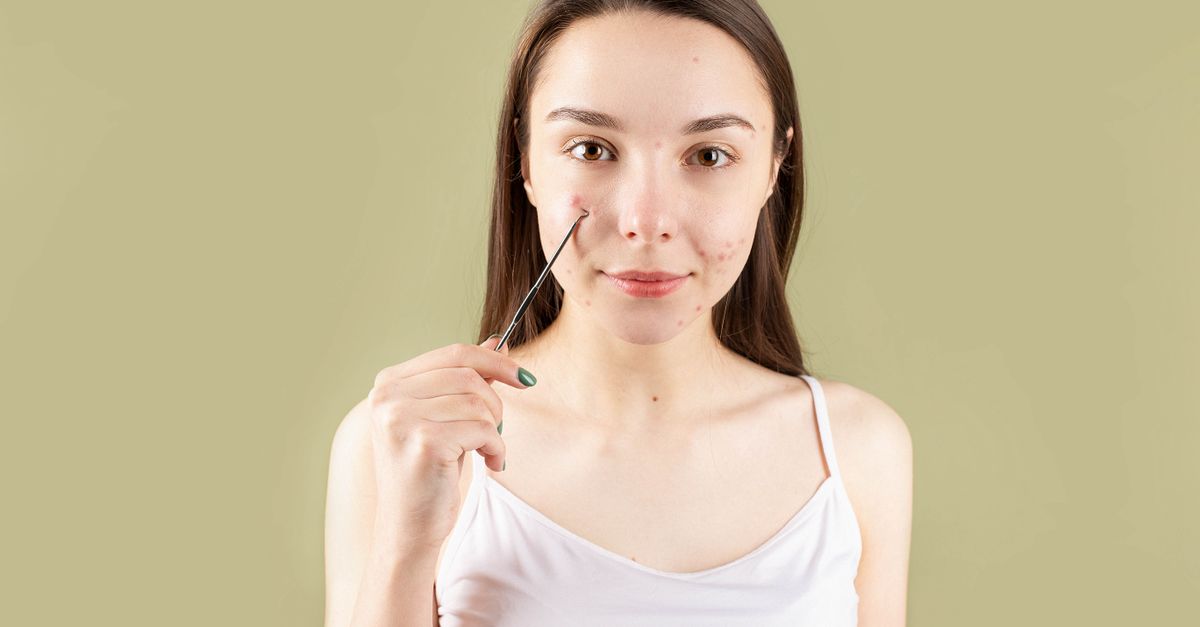
Acne Rosacea is a chronic skin condition that affects millions of people worldwide. It can cause redness, bumps, and swelling on the face, making it difficult to go about daily life with confidence. For those who are suffering from this condition, finding a solution that works can be challenging.
If you're tired of trying out different treatments with no success, then you've come to the right place. In this article, we will introduce you to homeopathic natural remedies that have been proven to help manage and cure acne rosacea symptoms effectively without harsh side effects. We will also discuss topical treatments and DIY masks that can help reduce inflammation and redness. By following our recommendations for lifestyle changes and nutritional remedies, we promise you'll finally experience relief from acne rosacea.
Understanding Acne Rosacea
Acne rosacea is a chronic skin condition that primarily affects the face. It is often referred to as just "rosacea." The condition causes persistent redness, small bumps, and visible blood vessels on the skin's surface. While it is not life-threatening, acne rosacea can significantly impact a person's quality of life.
The exact cause of acne rosacea is unknown. However, research suggests that several factors may contribute to its development. Genetics and environmental factors such as sun exposure, harsh weather conditions, and stress are believed to play a role in triggering the symptoms.
Acne rosacea typically affects people with fair skin who are over 30 years old. Women are more likely than men to develop this condition. Still, when it does affect men, it tends to be more severe.
If left untreated, acne rosacea can worsen over time and cause significant changes in appearance. It can affect the eyes by causing irritation and dryness (ocular rosacea). In severe cases of ocular involvement by acne rosacea can lead to blindness if not treated promptly.
Causes of Acne Rosacea
Acne rosacea is a chronic inflammatory disorder that affects the facial skin and can cause redness, pimples, and visible blood vessels. While the exact cause of acne rosacea is unknown, there are several factors that have been linked to its development.
Genetics
Research suggests that genetics play a role in the development of acne rosacea. Individuals with a family history of acne rosacea are at higher risk for developing the condition. This could be due to genetic predispositions or inherited traits that increase susceptibility to environmental triggers.
Dietary Triggers
Certain foods have been reported to trigger or worsen symptoms of acne rosacea. These include spicy foods, alcohol, hot beverages such as coffee and tea, and dairy products. Foods high in histamine such as tomatoes, citrus fruits, and chocolate may also contribute to flare-ups in some people.
Sun Exposure
Sun exposure has been identified as a major trigger for acne rosacea. UV radiation can cause inflammation and damage to the skin which can lead to redness, swelling, and papules on the face. It is essential for those with acne rosacea to protect their skin from sunlight by wearing sunscreen or avoiding direct exposure during peak hours.
Hormonal Changes
Hormonal changes can also contribute to the development of acne rosacea. Women are more likely than men to develop this condition during pregnancy or menopause when hormone levels fluctuate significantly. Hormonal imbalances may also lead to increased oil production which can exacerbate symptoms of acne rosacea.
While these factors do not directly cause acne rosacea, they are known triggers that can worsen symptoms in affected individuals. Understanding the potential causes of acne rosacea can help those with this condition to manage their symptoms effectively.

Homeopathic Remedies for Acne Rosacea
Homeopathy is a natural form of medicine that focuses on treating the root cause of health conditions. Unlike traditional medicine which just addresses the symptoms, homeopathy aims to provide long-term relief. Homeopathic remedies for acne rosacea are made from natural ingredients that are safe and non-toxic. Here are some remedies that have been found to be effective in treating acne rosacea.
Sulphur
Sulphur is a top homeopathic remedy for acne rosacea, especially when the symptoms include redness, burning and itching of the skin. It helps in reducing inflammation and calms down the irritated skin. Sulphur is also beneficial in treating other skin problems like eczema and psoriasis.
Nux Vomica
Nux vomica is a helpful remedy when there is flushing of the face accompanied by burning or stinging sensation. This remedy helps to improve blood circulation and reduce inflammation, leading to an improvement in overall appearance of the affected area.
Arsenicum Album
Arsenicum album provides relief from burning sensations associated with acne rosacea along with itching and dryness of the skin. This remedy works best when combined with other remedies like sulphur or nux vomica.
Kali Bromatum
Kali bromatum has been found to be useful in dealing with acne rosacea resulting from hormonal imbalances or stress-related issues. It can help reduce inflammation and prevent further breakouts while promoting healthy skin growth.
It's important to consult a qualified homeopath before taking any homeopathic remedies as they will suggest appropriate doses based on your individual needs. Homeopathic remedies can take longer than traditional medications, but they work gently and effectively in the long run.

Best Topical Treatments for Acne Rosacea
Acne rosacea is a chronic inflammatory condition of the skin that affects millions of people worldwide. The symptoms can be managed with various topical treatments, and some of the best ones are listed below:
Aloe Vera Gel
Aloe vera gel is renowned for its anti-inflammatory properties and helps to reduce inflammation, redness, and swelling associated with acne rosacea. It also helps to soothe the skin while promoting healing.
Green Tea Creams
Green tea contains polyphenols and catechins that help to reduce inflammation while improving the overall health of the skin. Green tea creams can be applied topically to treat acne rosacea effectively.
Licorice Extract Creams
Licorice extract has been used traditionally in many cultures as a natural treatment for various skin conditions. It contains glycyrrhizin that helps to soothe inflamed skin while reducing redness and swelling caused by acne rosacea.
Niacinamide Creams
Niacinamide is a form of vitamin B-3 that has been shown to have anti-inflammatory properties while improving the barrier function of the skin. Niacinamide creams can be applied topically to help manage symptoms associated with acne rosacea effectively.
Overall, topical treatments are an essential part of managing acne rosacea's symptoms. While there is no cure for this condition, these natural remedies help reduce inflammation and improve overall skincare health, making it possible to live a comfortable life with this chronic condition.
Essential Oils for Acne Rosacea Treatment
Acne Rosacea is a skin condition that causes redness, inflammation, and small bumps on the face. Essential oils can be an effective natural remedy to manage the symptoms of acne rosacea. The right blend of essential oils can help soothe and lessen the inflammation and redness associated with this condition.
Tea Tree Oil
Tea tree oil has powerful antibacterial properties that make it effective in treating acne rosacea. It helps to reduce inflammation, redness, and swelling. Apply a few drops of tea tree oil to a cotton pad or swab and gently apply it to the affected areas. You can also mix a few drops of tea tree oil with coconut oil or aloe vera gel for added moisturizing benefits.
Lavender Oil
Lavender oil has anti-inflammatory properties that help to soothe the skin affected by acne rosacea. It also has antibacterial properties that help fight against bacteria that contribute to breakouts. Apply diluted lavender oil onto your skin after cleansing it with mild soap or face wash.
Rosehip Oil
Rosehip oil is known for its hydrating properties as well as its ability to improve skin texture and tone. It contains essential fatty acids such as Omega-6 which play a crucial role in reducing inflammation from within the body helping manage symptoms of acne rosacea from inside out. Use 1-2 drops of rosehip on your face before going bed at night after washing your face.
Chamomile Oil
Chamomile essential oil has anti-inflammatory properties that make it effective in calming irritated skin caused by acne rosacea flare-ups. Add 1-2 drops of chamomile oil into your evening skincare routine – you'll be amazed how quickly you will see results. In conclusion, essential oils are a natural remedy for managing acne rosacea symptoms. Always dilute essential oils with carrier oils to avoid any skin irritation or allergies. Test a small patch of skin first before applying the oil to your face, and if you experience any discomfort or adverse side effects, discontinue use immediately. With the right blend of essential oils and consistency in application, you can reduce inflammation and redness associated with acne rosacea naturally.

Herbal Tea Remedies for Acne Rosacea
Herbal teas are an excellent way to manage acne rosacea symptoms naturally. Drinking tea can help detoxify the body, reduce inflammation, and improve digestion. Here are a few herbal teas that may be beneficial for treating acne rosacea:
1. Green Tea
Green tea is packed with antioxidants, which help fight inflammation and reduce redness associated with acne rosacea. The compounds in green tea also help regulate sebum production, which can prevent breakouts. Drinking green tea regularly can improve skin health and overall wellness.
2. Chamomile Tea
Chamomile has anti-inflammatory and antimicrobial properties that make it a popular remedy for treating skin conditions like acne rosacea. Drinking chamomile tea may help reduce redness and soothe irritated skin. It can also promote relaxation and better sleep, which is important for managing stress-related flare-ups.
3. Licorice Root Tea
Licorice root contains compounds that have anti-inflammatory properties and may help alleviate symptoms of acne rosacea like redness, itching, and swelling. Drinking licorice root tea regularly may also boost the immune system, aid digestion, and support healthy adrenal function.
4. Burdock Root Tea
Burdock root has been used in traditional medicine to treat various skin conditions like eczema and psoriasis due to its anti-inflammatory properties. The compounds in burdock root can also help purify the blood by flushing out toxins that contribute to acne rosacea symptoms. While herbal teas offer many health benefits, it's essential to consult with a healthcare professional before using any homeopathic remedies to treat medical conditions like acne rosacea. Plus, these herbal remedies may take some time before showing any noticeable improvements on your skin condition; combined with a healthy lifestyle, they can go a long way in helping to manage symptoms.

Nutritional Remedies for Acne Rosacea
While there is no specific diet that can cure acne rosacea, incorporating certain foods and avoiding others can help reduce symptoms. Foods high in antioxidants, such as fruits and vegetables, are beneficial as they help fight inflammation. Avoiding spicy foods, processed foods, and alcohol can also improve symptoms.
Vitamin D supplements have been shown to improve acne rosacea symptoms when taken in conjunction with a low-glycemic diet. Vitamin D has anti-inflammatory properties that can help reduce the redness and inflammation associated with acne rosacea.
Omega-3 fatty acids found in fish oil have also been shown to be effective in reducing inflammation associated with acne rosacea. Incorporating fatty fish into your diet or taking a daily fish oil supplement may be beneficial.
In addition to these dietary changes, consuming probiotics may also be helpful. Probiotics are beneficial bacteria that live in our gut and support our immune system. When our gut health is compromised, it can lead to inflammation throughout the body which could worsen acne rosacea symptoms.
DIY Masks for Acne Rosacea
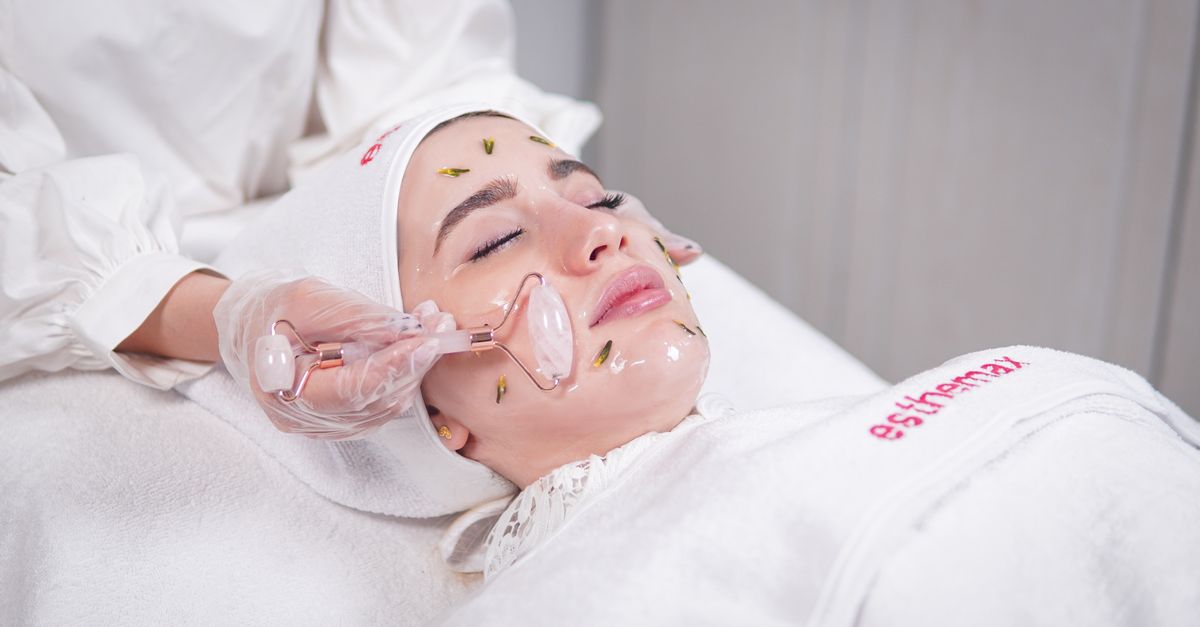
Many people swear by the benefits of DIY masks for treating acne rosacea. These masks contain natural ingredients that work together to soothe inflamed skin and reduce redness. Here are some of the best DIY masks for acne rosacea:
1. Oatmeal and Honey Mask
Oatmeal is a gentle exfoliator that can help to remove dead skin cells without irritating your skin. When combined with honey, it also provides antibacterial and moisturizing benefits. To make this mask, combine 1 tablespoon of ground oatmeal with 1 tablespoon of honey and apply it to your face for 10-15 minutes before rinsing off.
2. Yogurt Mask
Yogurt contains lactic acid which can help to gently exfoliate the skin while also providing probiotics that help balance the skin's natural pH levels. To make this mask, apply plain yogurt directly to your face and leave it on for 10-15 minutes before rinsing off.
3. Aloe Vera Gel Mask
Aloe vera gel has been used for centuries to calm irritated skin and reduce inflammation. To make this mask, simply apply a thin layer of pure aloe vera gel to your face and leave it on for 15-20 minutes before washing off.
4. Green Tea Mask
Green tea contains antioxidants that can help reduce inflammation in the skin while also providing hydration benefits. To make this mask, brew a cup of green tea and let it cool down before applying it as a facial rinse or soaking gauze pads in the tea before placing them over your face like a sheet mask.
Incorporating these DIY masks into your skincare routine can be an effective way to treat acne rosacea while also pampering your skin with natural ingredients. Make sure to patch test any new products or combinations before using them on your entire face.

Lifestyle Changes to Manage Acne Rosacea
Along with homeopathic remedies, making certain lifestyle changes can also be beneficial in managing and treating acne rosacea. Here are some important lifestyle changes that can help:
Dietary Changes
One of the most important factors in managing acne rosacea is a healthy diet. Avoiding foods that trigger flare-ups such as spicy foods, alcohol, and caffeine, can help manage symptoms. Instead, opt for anti-inflammatory foods such as leafy green vegetables, berries, and lean protein sources.
Incorporating omega-3 fatty acids into your diet through fish oil supplements or fatty fish like salmon can also have an anti-inflammatory effect on the skin.
Sun Protection
The sun's ultraviolet (UV) rays are known to aggravate acne rosacea. It is essential to wear a broad-spectrum sunscreen with an SPF of at least 30 every day before going outside. Additionally, wearing a hat and sunglasses can provide added protection from the sun's harmful rays.
Coping Mechanisms for Stress Reduction
Stress is known to worsen acne rosacea symptoms. Practicing relaxation techniques such as deep breathing exercises or yoga may help reduce stress levels and manage symptoms. Additionally, taking up hobbies and activities that offer relaxation such as painting or gardening may also be beneficial in reducing stress levels.
Skin Care Regimen
Choosing gentle skincare products free from harsh chemicals and fragrances is essential in managing acne rosacea symptoms. Avoid using products containing alcohol or witch hazel which may further irritate the skin.
When cleansing your face, use lukewarm water instead of hot water which may trigger flushing and inflammation. Pat your face dry with a soft towel instead of rubbing it to avoid further irritation.
Making these lifestyle changes can help improve acne rosacea symptoms and lead to better skin health overall. In combination with homeopathic remedies, these changes can help you manage your condition and enjoy clear, healthy-looking skin.
Can Acne Rosacea be Cured?
Acne rosacea is a chronic condition that can be challenging to manage. However, it is possible to control and reduce its symptoms with proper treatment and lifestyle changes. Unfortunately, there is no cure for acne rosacea at present.
Although there is no definite cure for acne rosacea, it's not all doom and gloom. With the right combination of treatments, skincare regimen, dietary changes, and lifestyle modifications, you can keep your symptoms under control. With time and patience, you can achieve clearer skin while minimizing flare-ups.
The key to managing acne rosacea is to identify your triggers and avoid them whenever possible. Common triggers of acne rosacea include sun exposure, spicy food, alcohol consumption, stress, hot beverages or foods; identify what sets off your skin’s reaction and try your best to minimize exposure.
In conclusion while there's no known cure for Acne Rosacea yet; the good news is that with appropriate medical care along with a holistic approach such as healthy diet choices , avoiding stressing situations which could lead to flare-ups combined with effective skincare remedies , you can manage the condition successfully with minimal impact on your quality of life.
Conclusion
In conclusion, adopting a holistic approach to managing Acne Rosacea can result in significant improvement in symptoms. Homeopathy offers a wide range of natural remedies that address the root cause of this disorder and help to soothe skin irritation. Topical treatments, herbal teas, nutritional remedies, and DIY masks are all effective ways to manage Acne Rosacea. Furthermore, making lifestyle changes such as avoiding triggers and incorporating stress-reducing exercises like yoga or meditation can also be beneficial. With consistent effort and patience, it is possible to find relief from Acne Rosacea symptoms naturally.
