

Human Sexuality and Cultural Perspectives
Human sexuality is a complex topic that is deeply intertwined with cultural beliefs and practices. Different cultures hold unique perspectives on what is considered acceptable behavior, what is taboo, and how sexuality is expressed. Understanding these cultural perspectives is crucial in enhancing our awareness of human sexuality and promoting sexual well-being. In this blog post, we will dive into the fascinating world of human sexuality and cultural perspectives. We will explore the challenges and implications of addressing sexuality in diverse cultural settings, as well as the positive impact that cultural competence can have on individuals, families, and communities. Whether you are a student or a practitioner, this blog promises to provide you with valuable insights and practical strategies that can help you navigate the complex intersections of human sexuality and cultural perspectives.
Understanding Human Sexuality
Human sexuality is a complex and multifaceted aspect of human behavior that continues to intrigue and challenge researchers and practitioners alike. To begin to understand human sexuality, it is crucial to look at the biological, psychological, and sociocultural factors that interact to shape this fundamental aspect of human life. Cultural perspectives have a significant impact on human sexuality, as different societies and cultures have their own beliefs, values, and attitudes towards sexuality.Cultural norms dictate what is acceptable behavior in regards to sexual expression, pleasure, and desire. For instance, some cultures view sex as an intimate expression of love, while others may view it simply as a physical act. Studies have found that cultural diversity in sexual practices is vast, with different cultures embracing varied attitudes towards masturbation, premarital sex, contraception, and homosexuality.
Moreover, globalization has given rise to new cultural attitudes and behaviors towards sexuality, challenging traditional views in many societies. However, despite increasing acceptance of sexual diversity, taboos and stigma continue to exist in different cultures, undermining efforts to promote healthy and safe sexuality.
Religious and spiritual beliefs also play a significant role in shaping sexuality, with different religions embracing different views on sexual behavior. Gender and sexuality are interrelated in different cultural contexts, with different cultures embracing varied views on gender identities.
To promote cultural understanding of human sexuality, education is a key tool that can be leveraged to provide open and honest conversations about sexuality. Education can help to debunk myths and stereotypes while offering people a comprehensive understanding of their sexuality.
Understanding human sexuality from cultural perspectives is critical for promoting healthy sexual practices and attitudes. By embracing cultural diversity, valuing a wide range of sexual perspectives and beliefs, and promoting open and honest conversations about sexuality through education, individuals and communities may come to better understand their own and others' sexual orientations and experiences.
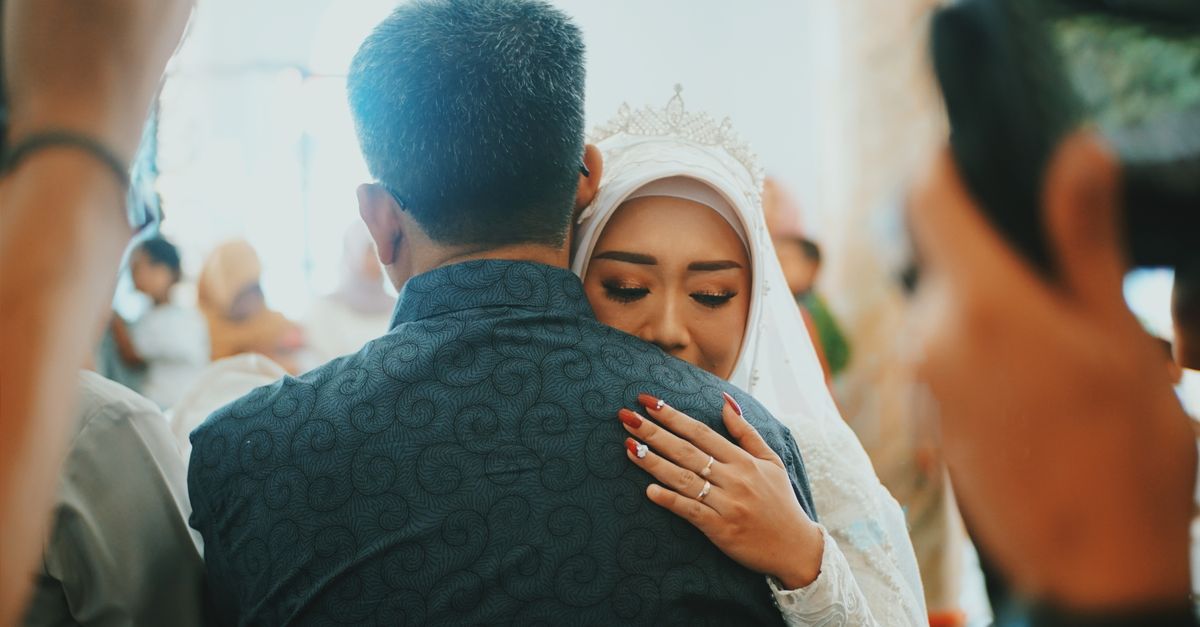
Cultural Influences on Human Sexuality
Human sexuality is influenced by culture in numerous ways. Each culture has its set of values, beliefs, and practices, which have a significant impact on how people view and engage in sexual behaviors. This article explores the cultural influences on human sexuality, including cross-cultural comparisons of sexual attitudes and behaviors, diversity in sexual practices, and the impact of globalization on cultural perspectives of sexuality. Additionally, it delves into the taboos and stigma surrounding sexuality in different cultures, religious and spiritual perspectives, and gender and sexuality in different cultures. Lastly, this article highlights the role of education in enhancing cultural understanding of human sexuality. Understanding the intersection of culture and sexuality can lead to an appreciation for diverse sexual expressions and, ultimately, a more tolerant and inclusive society.
Cross-Cultural Comparison of Sexual Attitudes and Behaviors
When it comes to human sexuality, it is impossible to ignore the impact that cultural perspectives can have. Understanding human sexuality is complex and multifaceted, with cultural influences playing a significant role. A cross-cultural comparison of sexual attitudes and behaviors highlights the diversity in sexual practices across different cultures. Globalization has also brought about changes in cultural perspectives towards sexuality, with taboos and stigma surrounding sexuality varying significantly across different cultures. Religious and spiritual perspectives on human sexuality also vary widely. In addition, the role of education in enhancing cultural understanding of human sexuality cannot be overstated. Through a deeper understanding of the cultural influences on human sexuality, we can create a more inclusive and accepting society that celebrates diversity.
Cultural Diversity in Sexual Practices
Human sexuality is a complex topic influenced by numerous factors. One of the significant influences is culture, which shapes individuals' attitudes and behaviors towards sex. Cultural perspectives on intimacy vary widely and play a fundamental role in shaping the sexual experiences of people worldwide. Understanding cultural diversity in sexual practices is essential for promoting acceptance, tolerance, and diversity. Cultural Diversity in Sexual Practices
The diversity of cultural perspectives on sexuality is vast. Different communities have their beliefs, values, and cultural practices that influence the way they view sex. For example, many African cultures value male circumcision as a rite of passage and associate it with sexual maturity. In contrast, Western cultures often view circumcision as a religious or medical procedure. Similarly, some cultures view sex as primarily for procreation, while others view it as an expression of love or pleasure.
Cultural diversity influences specific sexual practices such as premarital sex, same-sex relationships, and monogamous or polygamous unions. For instance, some cultures encourage premarital virginity and frown upon casual sexual encounters. In contrast, others, such as the Yoruba in Nigeria, view premarital sex as a path to marriage and procreation.
Cultural perspectives on human sexuality are diverse and shape individuals' attitudes and behaviors towards sex. Through cross-cultural comparison, we can appreciate cultural diversity and avoid imposing Western cultural values on other communities. Accepting and respecting cultural differences in sexual practices is crucial for promoting tolerance, understanding, and diversity.
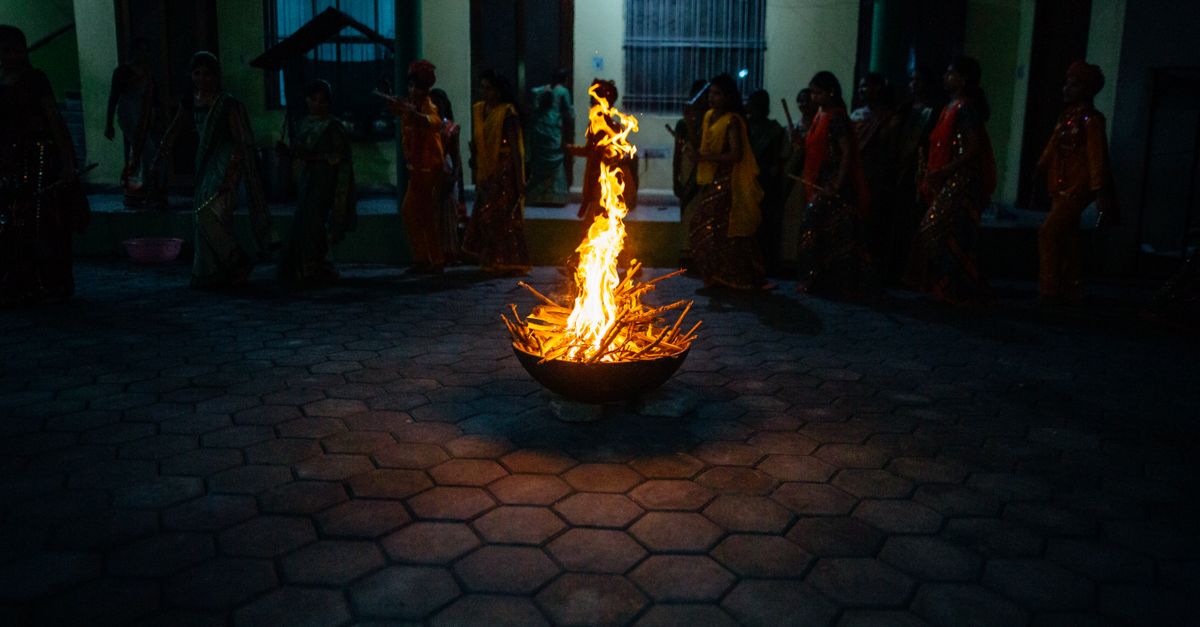
Impact of Globalization on Cultural Perspectives of Sexuality
As globalization continues to shape our world, it's important to understand how it's affecting our cultural perspectives on human sexuality. Across the globe, cultural attitudes towards sex have been evolving over time as people are exposed to different ideas, values, and norms. However, the expansion of the internet, social media, and other communication technologies has accelerated this process.Globalization has enabled people from different cultures to interact with each other more frequently, leading to greater cultural exchange and assimilation. Therefore, globalization is leading to a more open and tolerant approach to sexuality in many cultures.
For instance, some countries that were once highly conservative about sex are now becoming more accepting of the LGBTQ+ community. As more people interact with people from diverse cultures, they are more open to accepting different sexualities and ways of expressing love.
However, globalization has also led to the spread of harmful practices like sex trafficking and the exploitation of vulnerable individuals through the internet. Therefore, it's important to recognize the negative impact of globalization on sexuality and work towards promoting healthy and respectful attitudes towards it.
Globalization is having a profound impact on cultural perspectives of sexuality. Through increased exposure and interaction among different cultures, we are seeing greater acceptance and tolerance of diverse sexual practices, but it's important to address the negative impact of globalization on sexuality and to promote healthy and respectful attitudes towards it.
Taboos and Stigma Surrounding Sexuality in Different Cultures
Human sexuality is a complex and deeply personal aspect of human life, and cultural influences play a significant role in shaping attitudes and behaviors related to it. Different cultures have their own unique beliefs, values, and norms regarding sexuality, and these can often clash with the attitudes held by people from other cultures. One common issue that arises in this context is the presence of taboos and stigmas surrounding sexuality in certain cultures. These can manifest in various ways, such as prohibitions on certain sexual acts, shaming or ostracizing individuals who engage in particular behaviors, or simply a lack of open discussion about sexual topics. Understanding these cultural differences is essential for fostering greater cross-cultural understanding and promoting more positive attitudes towards sexuality around the world.
Religious and Spiritual Perspectives on Human Sexuality
Human sexuality is a complex topic that is heavily influenced by cultural perspectives. Religion and spirituality play a significant role in how different cultures view and approach sex. Some cultures view sex as a spiritual act that should only be shared between married couples for procreation, while others view it as a natural and pleasurable experience. Religious and spiritual beliefs can impact individuals' attitudes towards sex, including what is acceptable and what is not. For example, in some cultures, premarital sex is strictly forbidden, while in others, it is more socially acceptable.
Understanding the role that religion and spirituality play in shaping cultural attitudes towards sex is crucial for individuals looking to develop a more comprehensive understanding of human sexuality. It can help break down barriers and promote cultural diversity and acceptance. By acknowledging and respecting different cultural perspectives on sexuality, individuals can learn to appreciate the beauty and uniqueness of human diversity.
Gender and Sexuality in Different Cultures
Human sexuality is a complex and multifaceted aspect of the human experience, influenced by cultural norms, beliefs, and values. Gender and sexuality are particularly sensitive topics, with significant variations across different cultures. In some cultures, for instance, gender is binary, while in others, it is non-binary or fluid. Similarly, some cultures consider heterosexual relationships as the norm, while others embrace a spectrum of sexualities.In certain cultures, gender and sexuality are intricately tied to religion, with sexual practices being aligned with the teachings of the dominant religion. However, in more secular and liberal cultures, gender and sexuality are viewed as personal choices, and individuals are free to express themselves as they deem fit.
The impact of globalization has also shaped cultural perspectives of sexuality, with a growing acceptance of non-traditional gender and sexuality practices. However, despite these changes, sexuality remains a taboo subject in some cultures, and stigmatization and discrimination against those who do not conform to cultural standards persist.
Education plays a crucial role in enhancing cultural understanding of human sexuality, fostering openness and tolerance for diversity. The effects of cultural perspectives on human sexuality are broad and varied, and their significance cannot be overstated.
The Role of Education in Enhancing Cultural Understanding of Human Sexuality
The Role of Education in Enhancing Cultural Understanding of Human Sexuality Education has a significant role to play in shaping our understanding of human sexuality from a cultural perspective. This is important because people from different cultures have varying approaches to sexual behavior. Education and exposure to diversity contribute to enhancing cultural understanding of human sexuality, and that can greatly help in reducing the stigma and taboo surrounding sex in different cultures. Through education, people can learn cross-cultural comparisons of sexual behaviors, beliefs, and values. Gender and sexuality issues, religious and spiritual beliefs, the impact of globalization, cultural diversity, and cultural influences are some of the other important areas around which education on human sexuality revolves. Hence, it's crucial for educators to integrate diverse perspectives into sex education curriculums to foster open and inclusive dialogue around sexuality that acknowledges and respects different cultures, thereby promoting social harmony.
Conclusion
In conclusion, human sexuality is complex and heavily influenced by culture. Every culture has its own unique perspective on sexuality which shapes the way people view and express themselves sexually. Understanding cultural perspectives on sexuality can help us appreciate and respect different ways of living and loving. It can also help us avoid judging or shaming individuals or communities with different beliefs and practices. Culturally sensitive sexuality education can empower individuals to make informed decisions about their bodies and relationships. It can also promote safe and equitable sexual relationships and challenge harmful attitudes and practices. Ultimately, respecting cultural perspectives on sexuality is essential for building a more inclusive and compassionate world.
